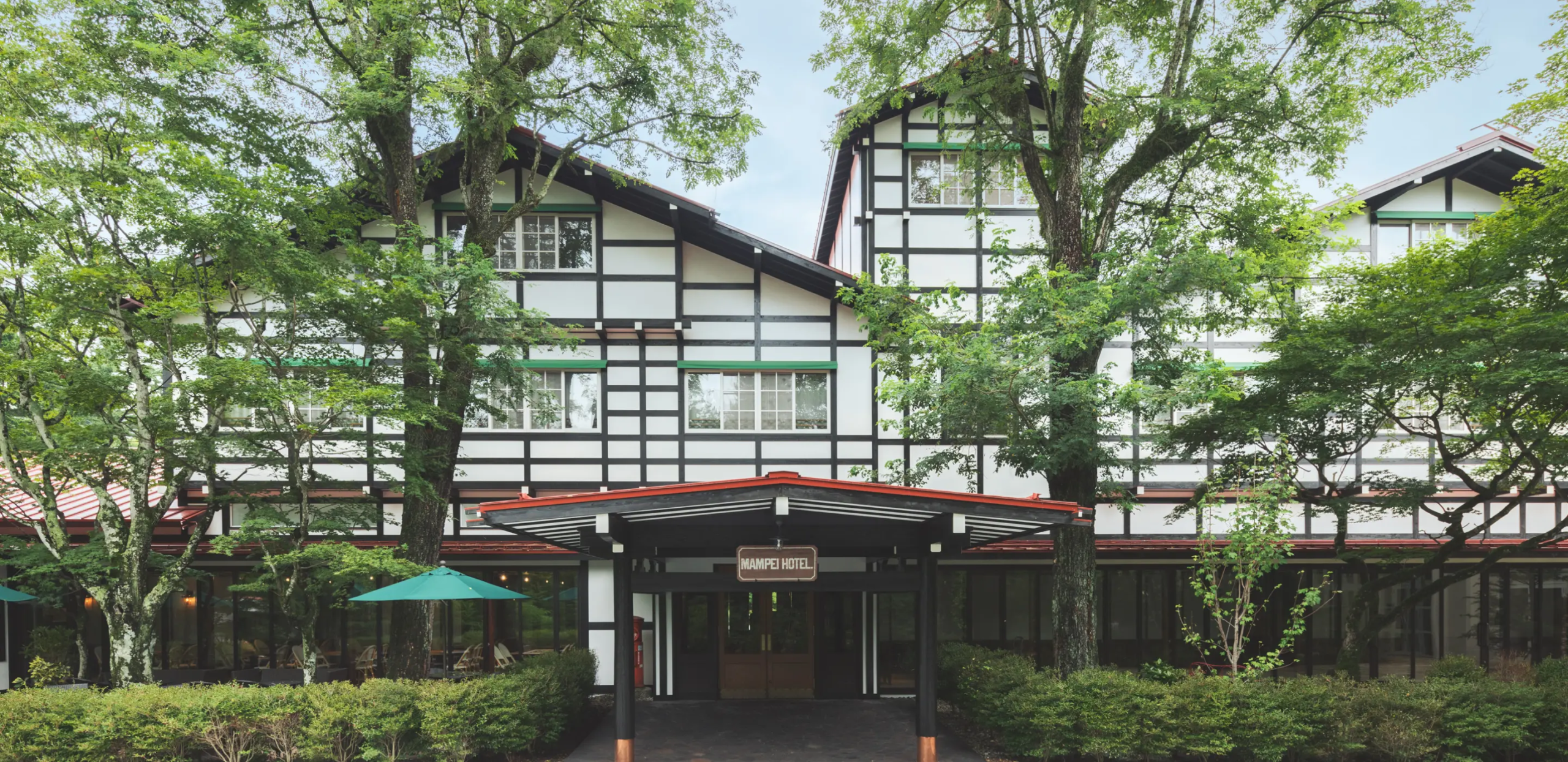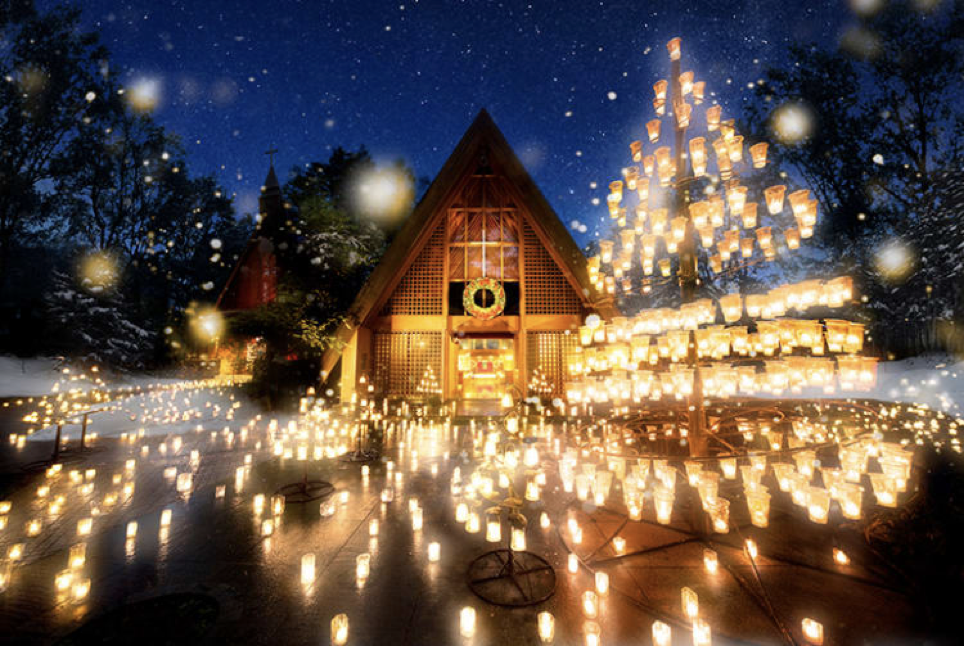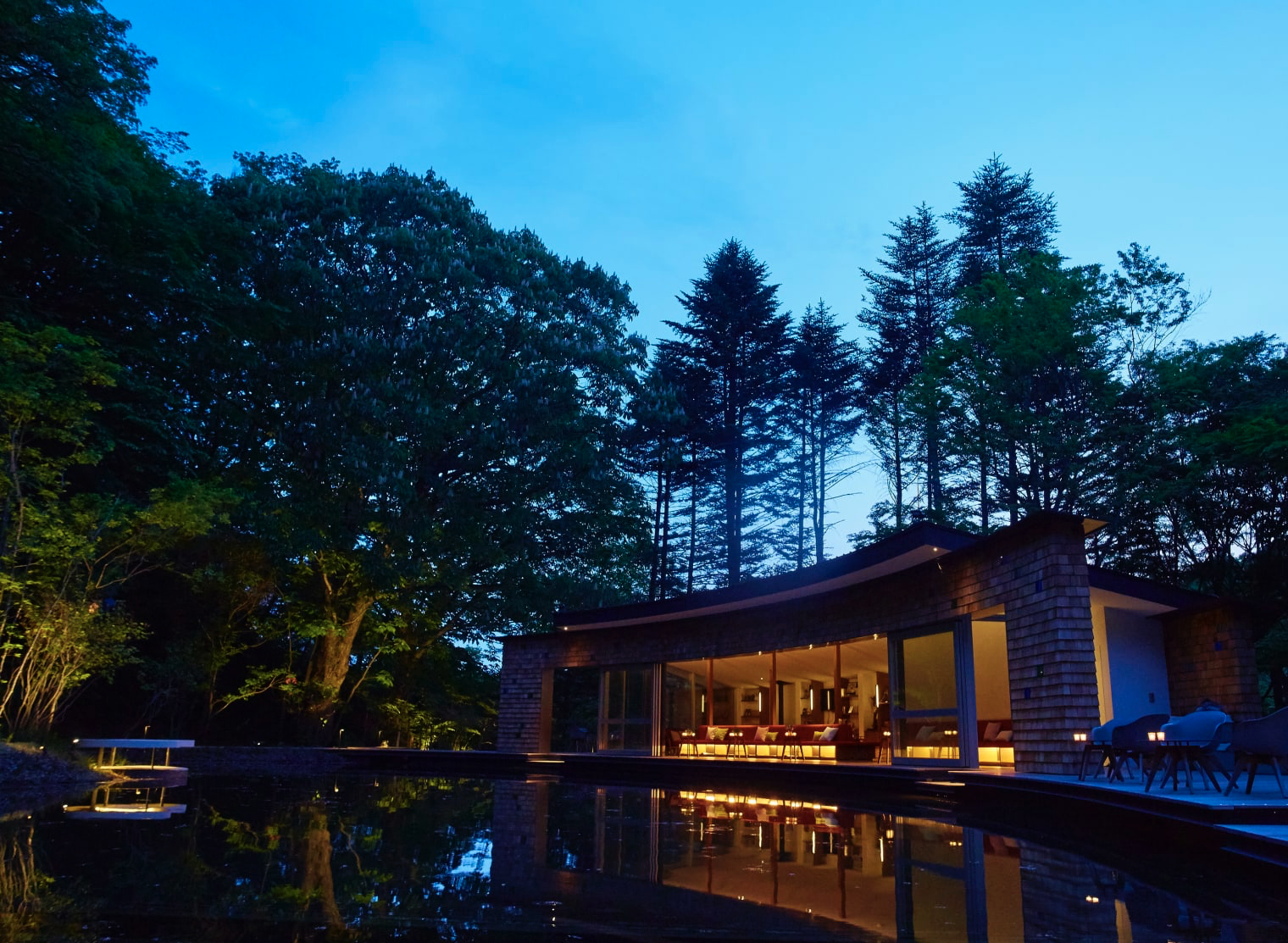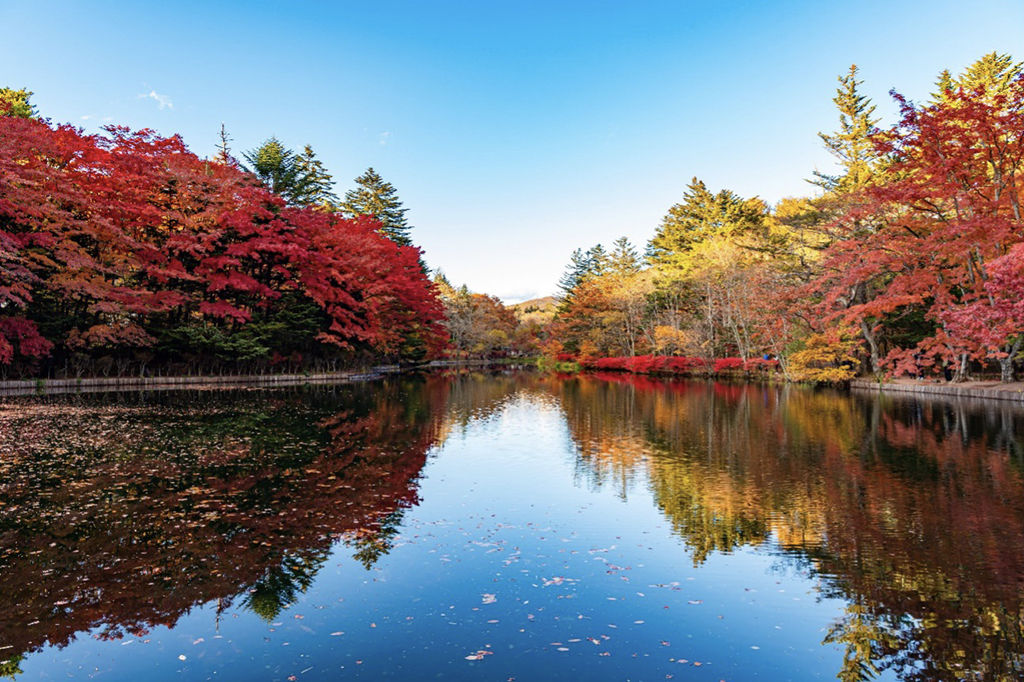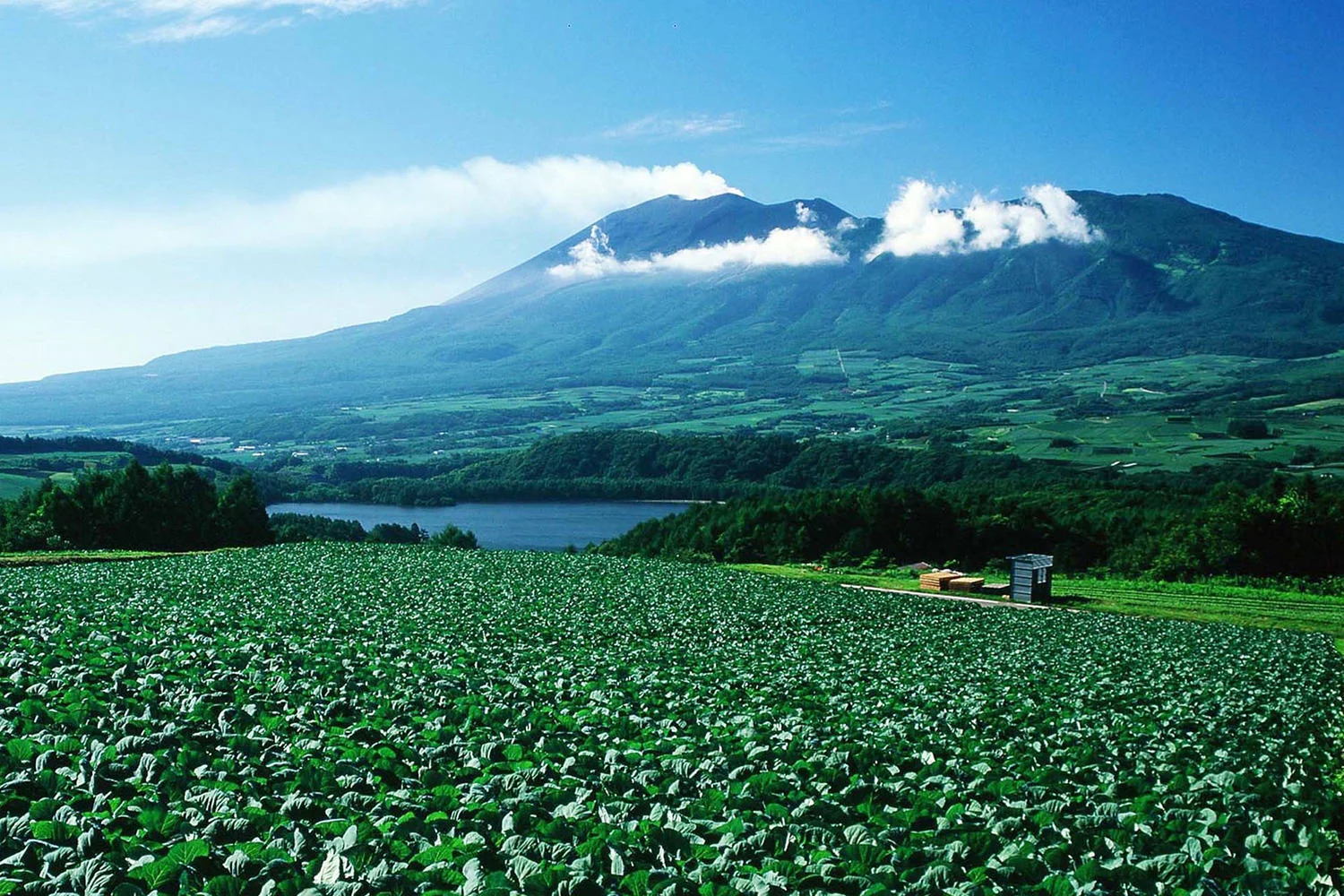
Karuizawa is not simply a mountain town; it is Japan’s original summer resort, shaped by foreign residents, missionaries, writers, and political elites from the late nineteenth century onward. The hotels and villas found here are historically significant not merely because of their age, but because they introduced an entirely new concept to modern Japan: leisure as a seasonal retreat, rooted in nature, silence, and climate. Karuizawa’s accommodation culture became the blueprint for resort living in Japan, and its legacy can still be felt today.
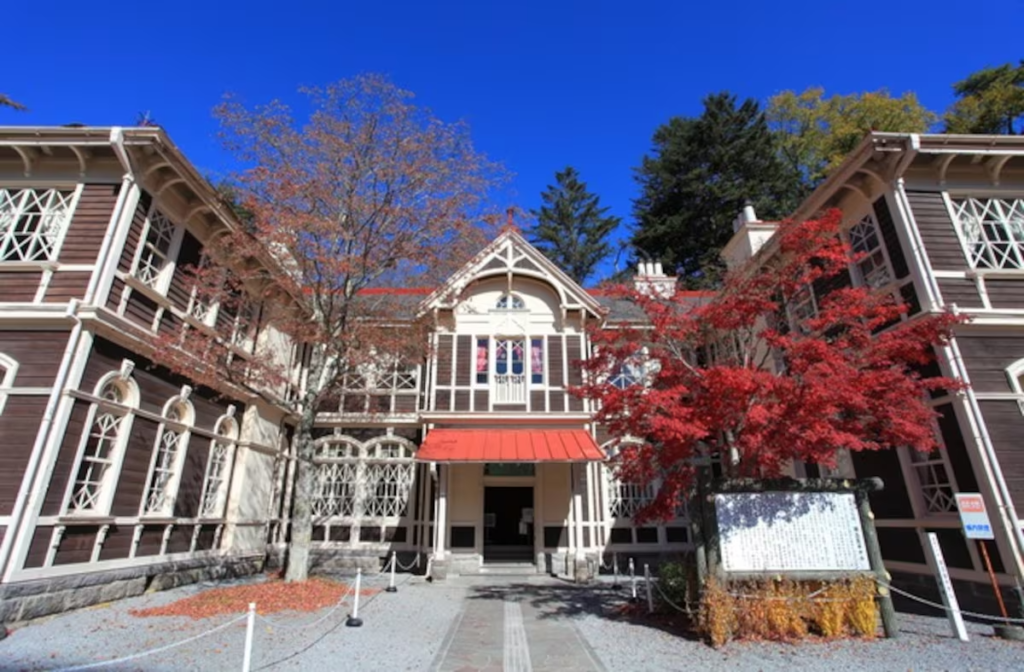
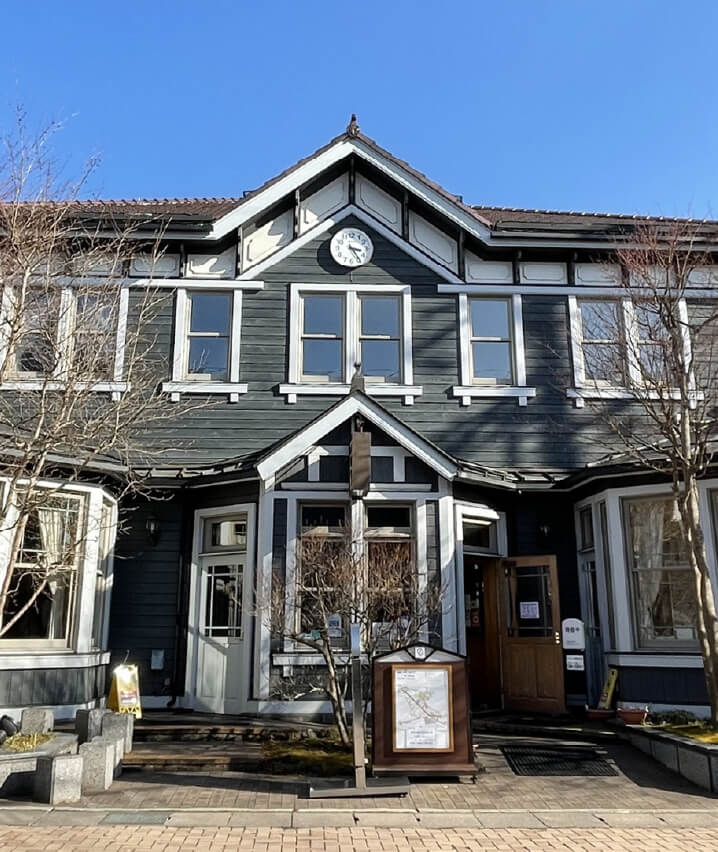
The earliest and most influential accommodations in Karuizawa were Western-style wooden villas built from the 1890s through the 1930s. Constructed by missionaries, diplomats, and educators escaping Tokyo’s oppressive summer heat, these cottages were modest yet thoughtful in design. Timber structures with steep roofs, fireplaces, verandas, and large windows were placed discreetly among trees rather than on commanding hills. These villas introduced ideas that were revolutionary for Japan at the time: seasonal living, forest-integrated architecture, and the notion that Karuizawa was a place for rest rather than productivity. Many of these villas still survive today around Old Karuizawa as private residences, guesthouses, or protected cultural properties. They represent Japan’s first true resort accommodation model, predating large hotels and mass tourism.
One of the most important concentrations of these early villas developed around St. Paul’s Catholic Church in Old Karuizawa. This area became the heart of Karuizawa’s early foreign community, housing clergy and long-term Western residents who shaped the town’s social and cultural rhythms. Low-density planning, tree-lined paths, and a quiet residential atmosphere created a neighborhood that felt Western yet organic, rather than imposed. This district explains why Karuizawa still carries an international character that feels natural and lived-in, rather than artificial or themed.
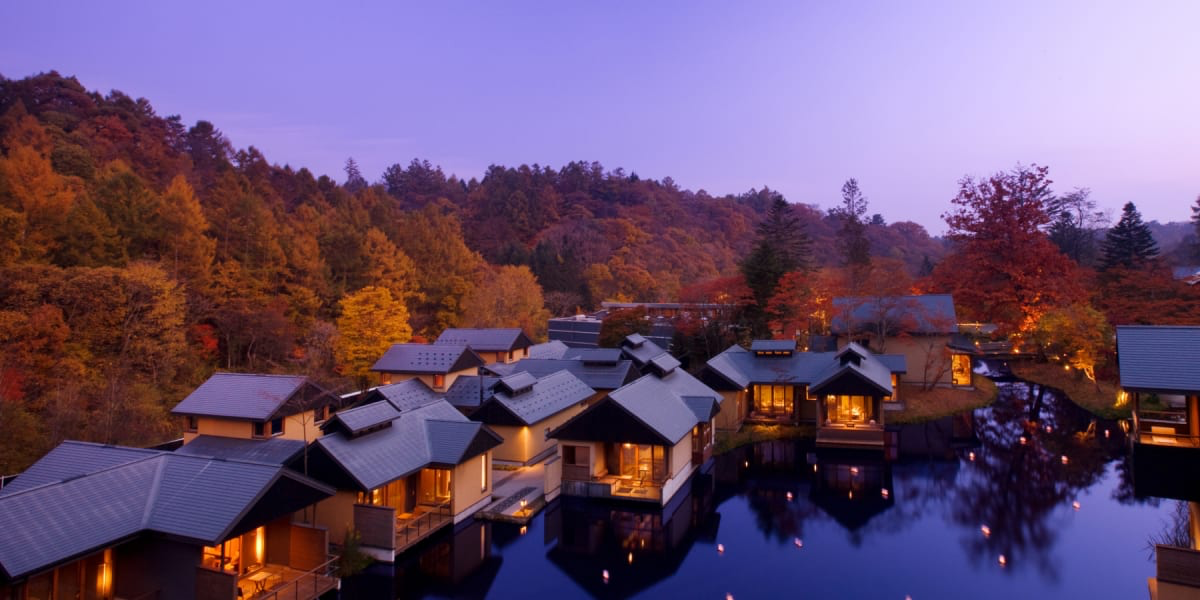
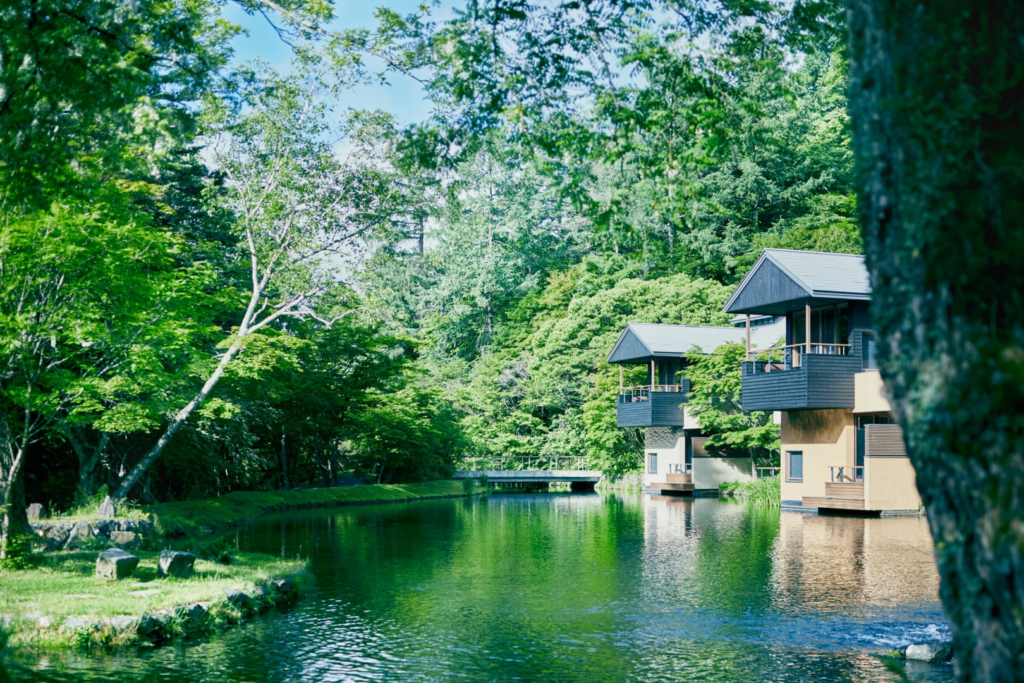
While modern in construction, Hoshinoya Karuizawa represents a crucial chapter in this historical continuum. Opened in 2005, it consciously reinterprets Karuizawa’s original villa philosophy through contemporary Japanese design. Instead of a single hotel building, Hoshinoya is composed of low-rise villas scattered through the forest, connected by water channels and walking paths. There is no central tower or visual dominance over the landscape. This layout mirrors the earliest Western cottages, where separate dwellings coexisted quietly within nature. Hoshinoya demonstrates that Karuizawa’s founding retreat ideals can evolve without losing their essence.
A similar dialogue with history can be seen in Shishi-Iwa House, designed by architect Shigeru Ban. Although unmistakably modern, the building responds directly to Karuizawa’s villa heritage. It is built around existing trees, uses wood and restrained forms, and avoids monumentality in favor of intimacy. Like the early cottages, it prioritizes respect for the forest and a light architectural footprint. Shishi-Iwa House shows how villa culture can continue through architectural philosophy rather than nostalgic imitation.
Karuizawa’s transition into a broader national resort destination is reflected in the development of the Karuizawa Prince Hotel group during the post-war period. Built from the mid-twentieth century onward, these properties introduced large-scale leisure to Karuizawa, including skiing, golf, and family-oriented recreation. While very different in scale and purpose from the original villas, the Prince Hotels mark an important historical shift from elite seasonal retreats to democratized leisure travel for domestic visitors. They represent Karuizawa’s expansion beyond its original social boundaries.
Near Old Karuizawa, Kyukaruizawa Kikyo offers a contemporary example of how modern hospitality can coexist with historic surroundings. Built on land once defined by villas, the hotel uses natural materials, subdued scale, and low-rise design to preserve the town’s traditional atmosphere. Rather than replacing the past, it adapts to it, continuing Karuizawa’s long-standing preference for restraint over visual dominance.
Beyond well-known hotels, Karuizawa is also home to numerous small inns and guesthouses housed in preserved Western cottages, early post-war villas, and restored wooden lodges. Many of these can still be booked today, offering guests the rare opportunity to sleep inside living history. These accommodations are not museum exhibits; they are inhabited spaces that maintain continuity with the town’s origins.
What unites all of these historically significant properties is a shared philosophy. Architecture adapts to climate rather than ego, nature is treated as the primary amenity, and silence and space are valued more than spectacle. Together, these hotels and villas tell the story of how Karuizawa introduced leisure travel to Japan, became a cross-cultural experiment in living, and established standards that continue to influence resort design nationwide.
For visitors today, staying in or near these historic hotels and villas allows Karuizawa to be experienced as it was originally intended: a place to slow down, breathe mountain air, and live lightly within the forest. Here, luxury is not defined by excess, but by continuity, restraint, and a deep respect for place.
historic hotels Karuizawa, Karuizawa villas history, Old Karuizawa western cottages, Karuizawa heritage accommodation, classic Karuizawa villas, Karuizawa resort history