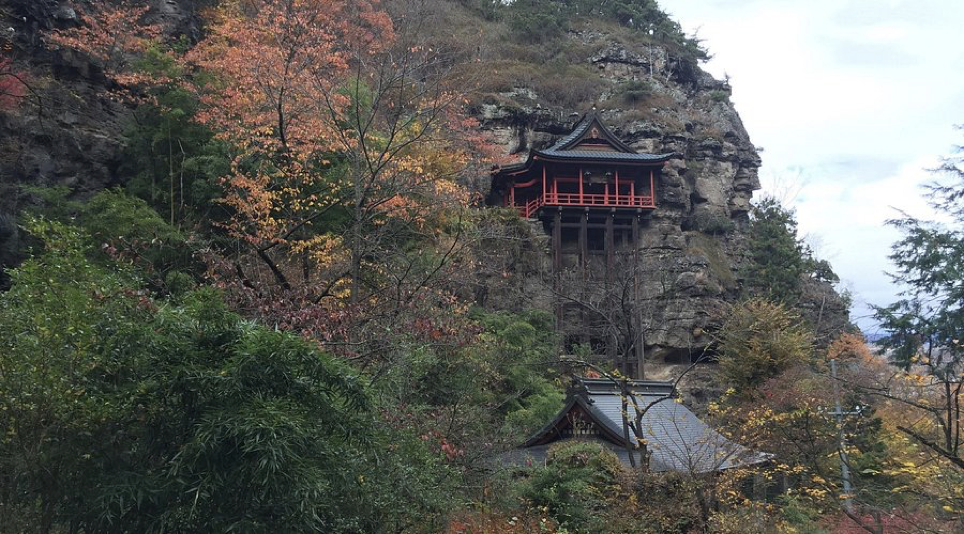
Nunobiki Kannon is one of Nagano’s most quietly powerful sacred sites, a dramatic Kannon statue carved into a cliff that overlooks the Chikuma River valley near Komoro. Far less known than major pilgrimage temples, it offers something deeply moving: faith embedded directly into the natural landscape, where stone, mountain, and belief feel inseparable. For travelers exploring Komoro and the surrounding region, Nunobiki Kannon reveals an intimate, local expression of Japanese Buddhism that feels personal rather than monumental.
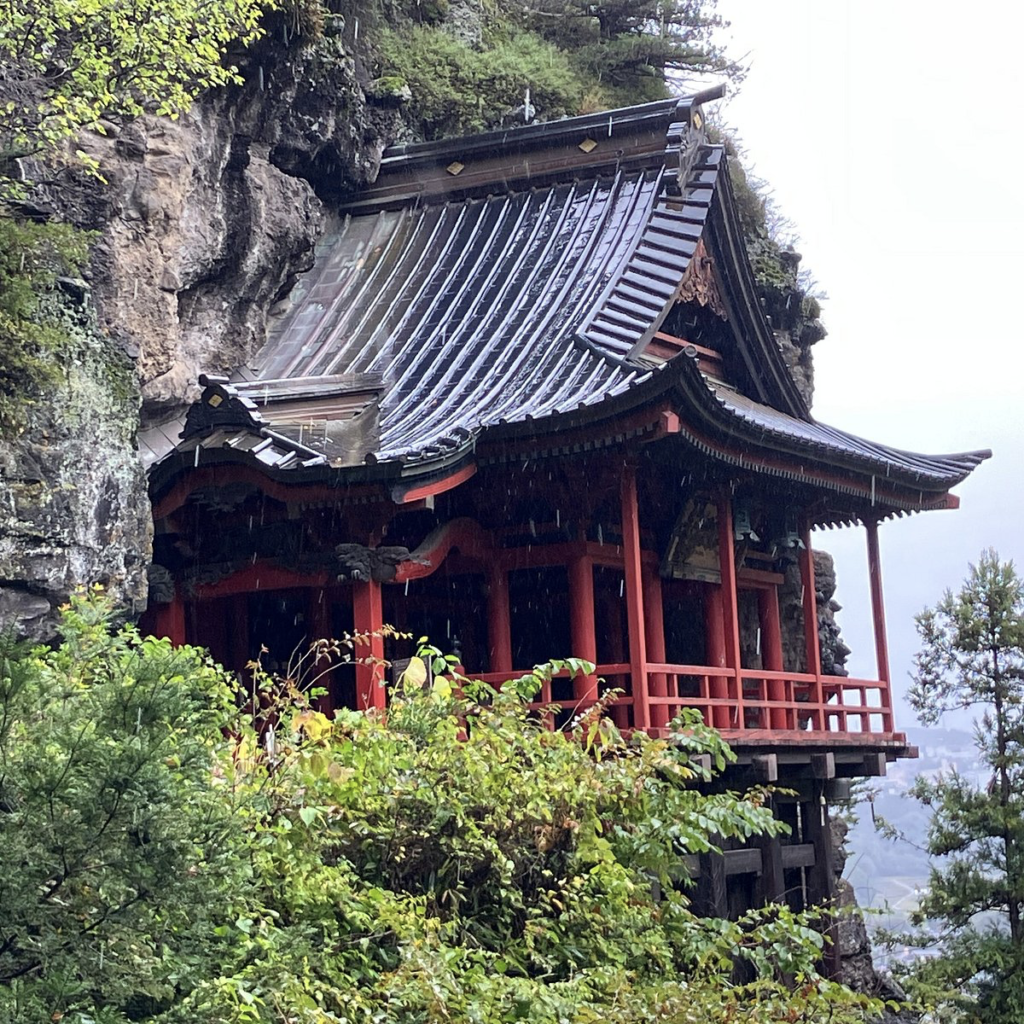
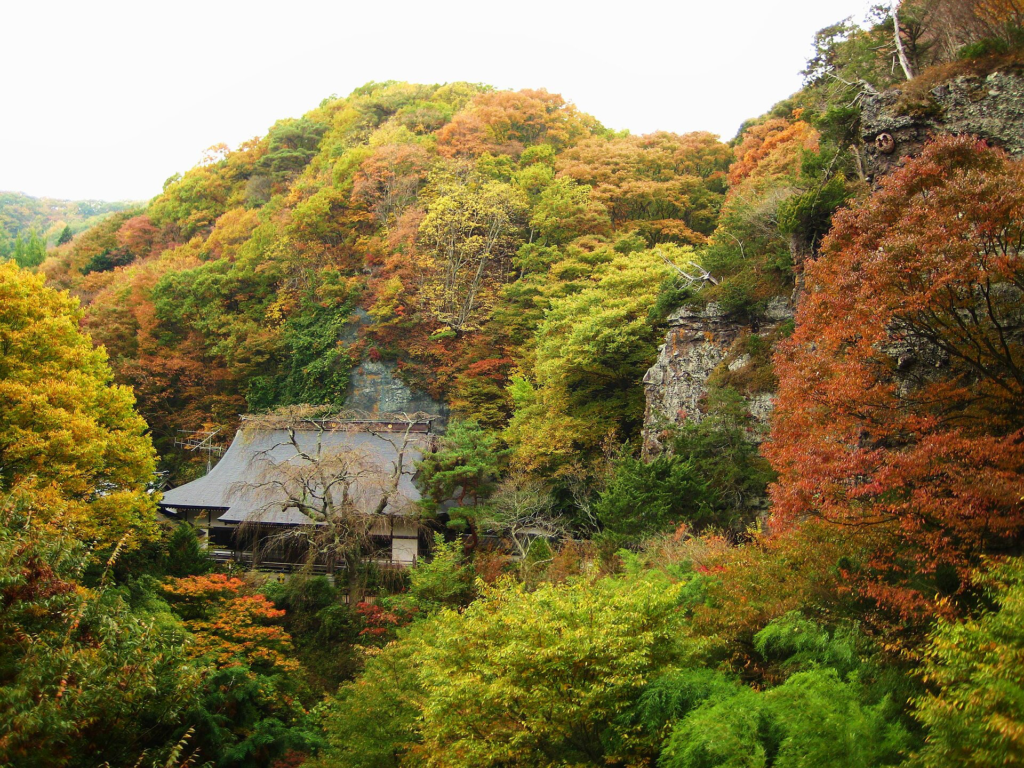
The origins of Nunobiki Kannon are believed to date back to the Heian period, when Buddhism spread into rural Japan and sacred figures were often placed directly into natural formations instead of large temple complexes. The name “Nunobiki,” which can be interpreted as “cloth drawn across,” refers to the way the cliff face appears draped when viewed from below, as if the landscape itself were offering fabric to the bodhisattva. This choice of location reflects an early Buddhist worldview in which sacred power already exists in nature and humans simply reveal what is already there.
The statue depicts Kannon, the bodhisattva of compassion, one of the most widely revered figures in Japanese Buddhism. At Nunobiki Kannon, people have traditionally prayed for protection from misfortune, safe journeys, relief from suffering, and the well-being of their families. Because the statue stands high on a steep rock face, it has long been associated with guardianship, silently watching over travelers and communities moving through the valley below.
What makes Nunobiki Kannon especially striking is its setting. The figure is carved directly into the cliff, with the Chikuma River flowing far beneath and forests and rock walls surrounding it. The scale of the landscape creates a powerful emotional contrast: visitors often feel small in the presence of nature, yet strangely protected at the same time. This balance between humility and reassurance lies at the heart of many Japanese sacred places, and Nunobiki Kannon expresses it with exceptional clarity.
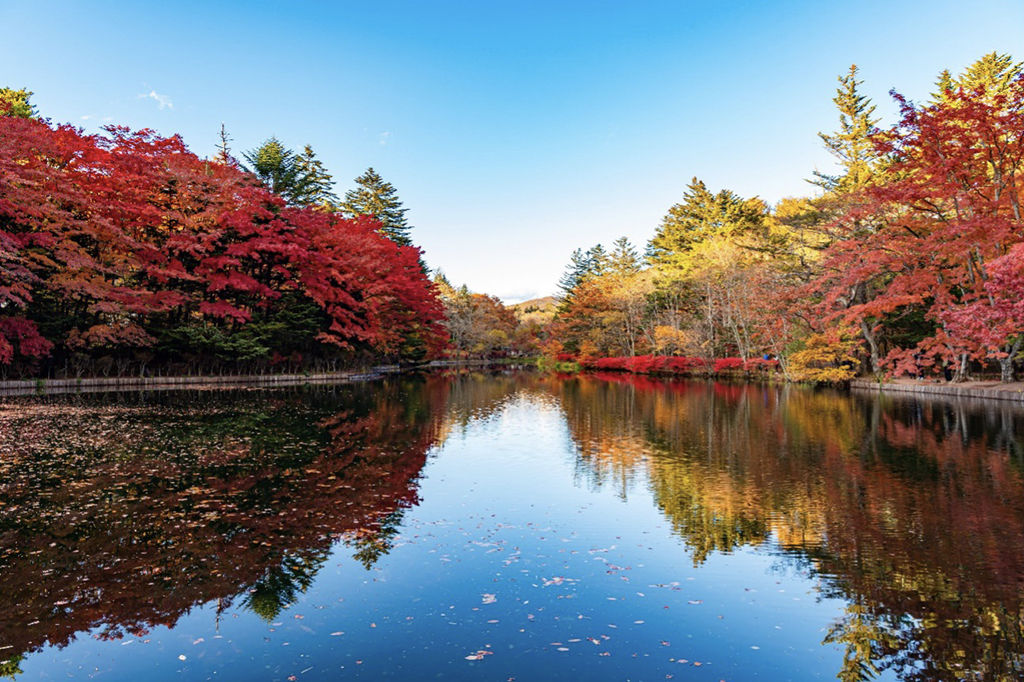
The atmosphere of the site changes dramatically with the seasons. In spring, fresh greenery softens the rock face and brings a sense of renewal. Summer offers deep shade and cool air, making the visit physically and mentally refreshing. Autumn is the most visually striking season, when vivid foliage frames the statue and intensifies its presence against the cliff. In winter, snow highlights the stark geometry of stone and sky, creating a quiet, almost austere beauty. Through these seasonal shifts, faith here feels inseparable from time, weather, and the natural cycle.
For centuries, Nunobiki Kannon has been woven into everyday local life rather than large-scale pilgrimage culture. Farmers, merchants, and travelers stopped to offer brief, quiet prayers before difficult journeys or important moments. Even today, the site retains this intimate character. It feels like a place for whispered wishes rather than formal rituals, reinforcing its role as a guardian of ordinary life.
Visiting Nunobiki Kannon typically requires only a short amount of time, but it leaves a lasting impression. A brief walk or light hike leads to the statue, and the uneven steps encourage visitors to slow down and become aware of their surroundings. Morning and late afternoon are especially rewarding, when the light is soft and the atmosphere is calm. Many travelers combine the visit with Komoro Castle Ruins, a walk through Komoro town, or broader countryside exploration between Komoro and Ueda.
Nunobiki Kannon matters because it represents a side of Japanese Buddhism that is easy to overlook. It is modest rather than grand, embedded in the landscape rather than built over it, and deeply personal rather than institutional. For travelers seeking authentic spiritual sites beyond famous temples and shrines, Nunobiki Kannon offers a moment of stillness and perspective, quietly reminding visitors that compassion can watch over everyday life just as steadily as it watches over the valley below.
Nunobiki Kannon, Komoro Buddhist sites, Komoro sightseeing, Nagano spiritual places, Kannon statue cliff, things to do in Komoro, day trip from Karuizawa