Ueda Wine Valley is one of Japan’s most exciting yet understated wine regions, a place where mountain climate, volcanic soils, and small-scale craftsmanship are quietly redefining what Japanese wine can be. Spread across the hills and river terraces surrounding Ueda, this emerging area offers travelers a refined, local alternative to more famous and crowded food and drink destinations. Wine here is not about prestige or volume, but about place, patience, and precision.
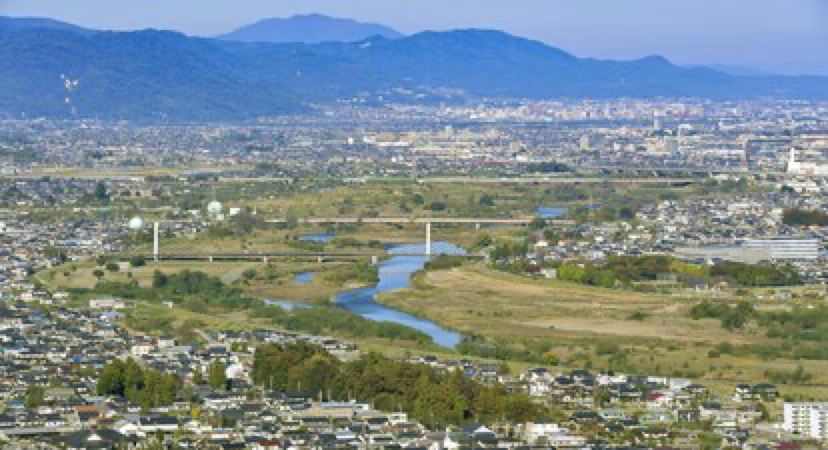
Ueda’s rise as a wine region is rooted in its geography. The city sits in a natural basin shaped by rivers, mountains, and a long volcanic history. Large differences between day and night temperatures help grapes retain acidity and aromatic clarity, while relatively low humidity compared to coastal regions reduces disease pressure. Well-drained soils influenced by volcanic ash and river sediments, combined with higher elevation, create conditions well suited to cool-climate viticulture. Together, these factors closely resemble successful wine regions in Europe and have allowed Ueda to emerge quietly as a producer of high-quality, expressive wines.
While Nagano has long been known for fruit cultivation, serious winemaking in the Ueda area gained momentum mainly in the late twentieth and early twenty-first centuries. As Japanese producers began to move away from mass production, many turned their attention to terroir-driven wines that reflect local conditions. In Ueda, growers embraced small vineyard plots, hand harvesting, and minimal-intervention techniques. This philosophy mirrors the region’s broader identity, which values independence, careful thinking, and a strong connection to the landscape over fleeting trends.
Wines from Ueda Wine Valley are defined by balance and clarity rather than power. Red wines such as Merlot and Cabernet Franc tend to be structured yet elegant, while Chardonnay often shows fresh acidity and mineral character. Aromatic whites like Riesling and Kerner thrive in the cool climate, and refined expressions of Muscat Bailey A demonstrate how Japan’s signature grape can achieve nuance and restraint. These wines pair naturally with local cuisine, including soba noodles, mountain vegetables, and lightly seasoned dishes that highlight rather than overwhelm flavor.
The culture of Ueda Wine Valley is shaped by its small scale. Instead of large estates, the region is home to boutique wineries, many of them family-run and deeply connected to the land they cultivate. Winemakers often live near their vineyards and are directly involved in every step of production, from pruning to bottling. For visitors, this means personal and unhurried tastings, direct conversations with the people behind the wine, and an emphasis on story and process rather than marketing polish. This sense of intimacy makes wine tourism in Ueda especially rewarding for travelers who enjoy learning as much as tasting.
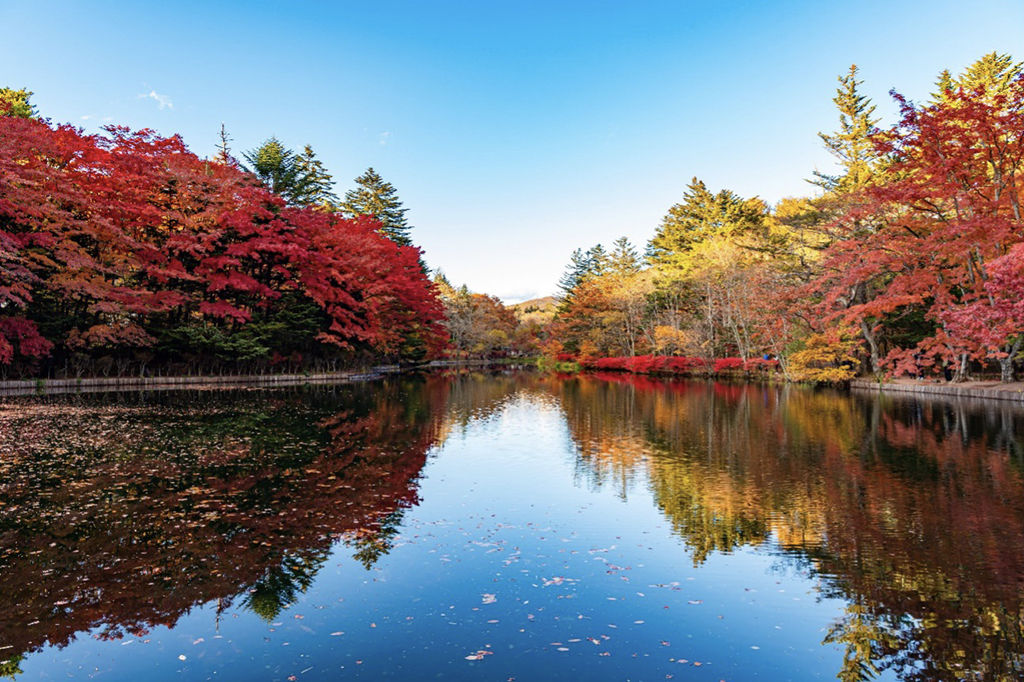
The valley changes character with the seasons, and each phase of the year offers a different perspective on winemaking. Spring brings bud break and careful vineyard preparation, while summer fills the slopes with lush green vines set against mountain backdrops. Autumn is harvest season, when crisp air and golden leaves accompany the vendange and the region feels most alive. Winter, quieter and more introspective, is a time of cellar work and reflection, and tastings during this season can offer rare insight into the craft behind the bottle.
Exploring Ueda Wine Valley is best done at a relaxed pace. Visitors often move between wineries by taxi or guided tour, combining tastings with countryside walks or visits to nearby cultural sites. Wine experiences pair naturally with stops at Ueda Castle or an overnight stay in Bessho Onsen, creating a journey that blends history, landscape, and local flavor. Because many wineries operate on a small scale, advance reservations are sometimes required, reinforcing the region’s emphasis on quality over quantity.
Ueda Wine Valley exists within a landscape shaped by samurai strategy and resilience, particularly the legacy of the Sanada clan. That same spirit of independence and respect for terrain carries into modern winemaking. Wine here feels like a continuation of local culture rather than a departure from it, grounded in careful choices and long-term thinking.
Ultimately, Ueda Wine Valley represents the future of Japanese wine: climate-appropriate, small-scale, expressive, and closely tied to food and landscape. For travelers visiting Karuizawa, Ueda, or central Nagano, it offers a sophisticated experience that combines nature, craftsmanship, and quiet discovery, far from mass tourism and close to the heart of the region.
Ueda Wine Valley, Nagano wine region, Ueda wineries, Shinshu wine, Japanese wine Nagano, wine tasting near Karuizawa, things to do in Ueda