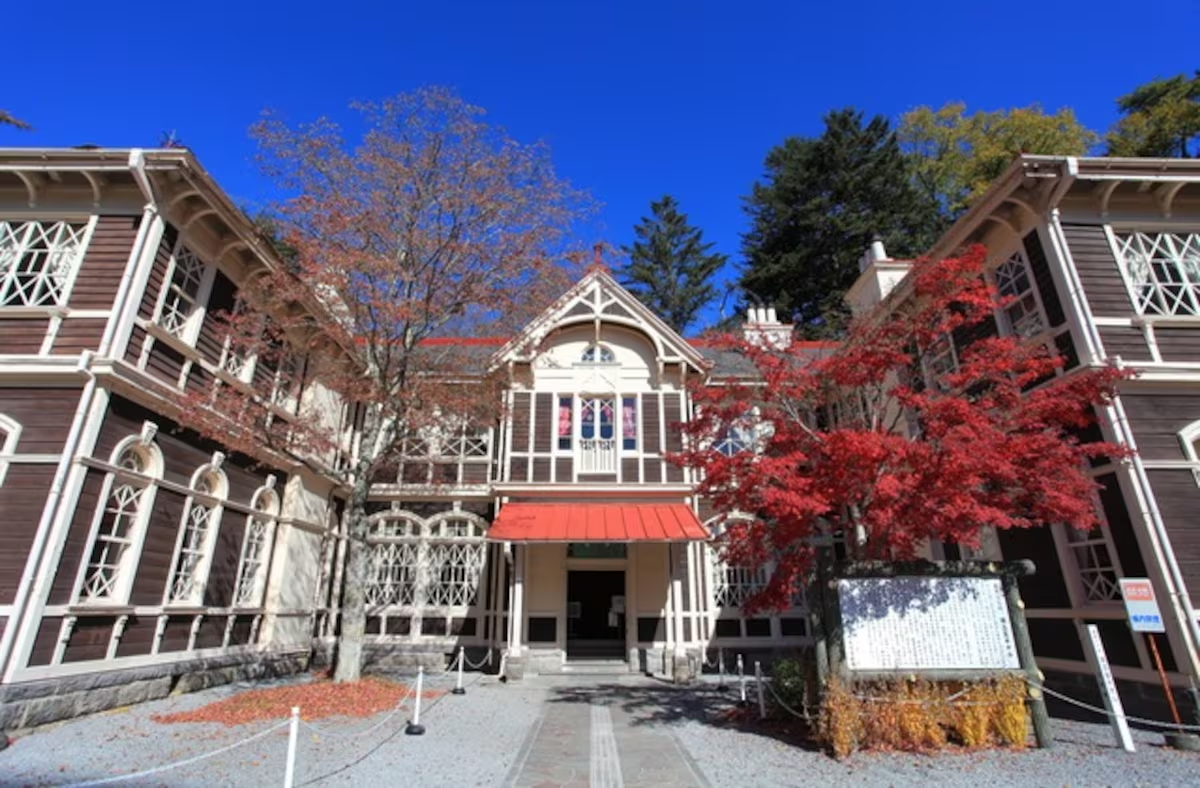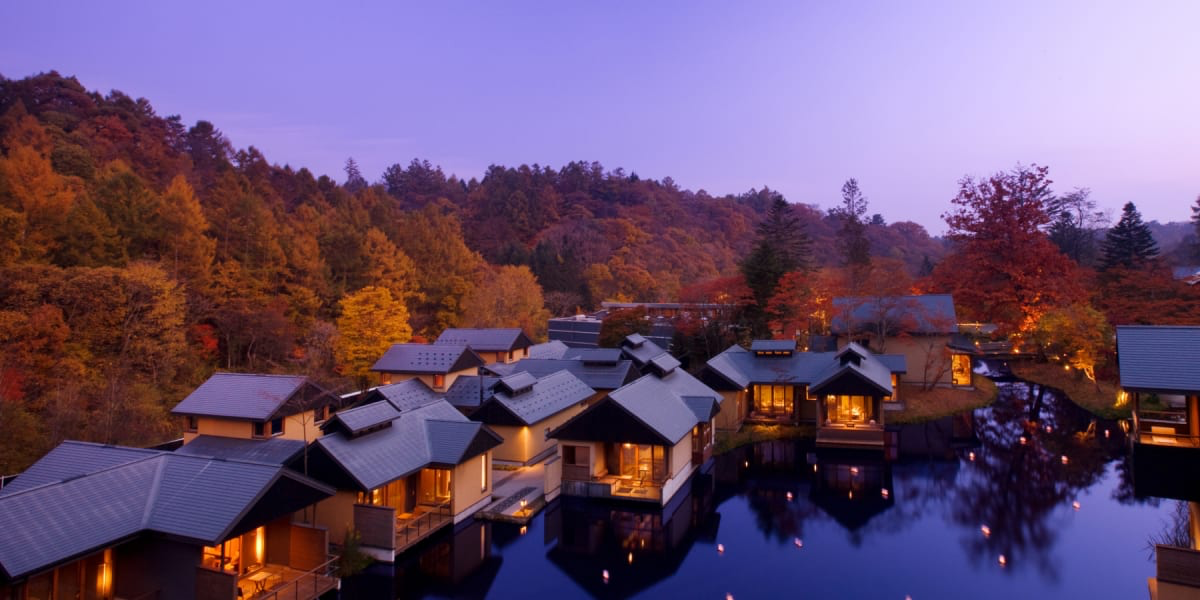
Bessho Onsen is one of Nagano Prefecture’s most atmospheric hot spring towns, a place where ancient healing waters, Buddhist temples, and mountain tranquility come together in a way that feels deeply rooted in Japanese tradition. Located just outside Ueda City, Bessho Onsen is often called the “Kamakura of Shinshu,” a name that reflects its long association with medieval Buddhism and samurai-era culture. For travelers seeking history, spirituality, and authentic onsen culture without heavy crowds, Bessho Onsen offers a rare and rewarding experience.
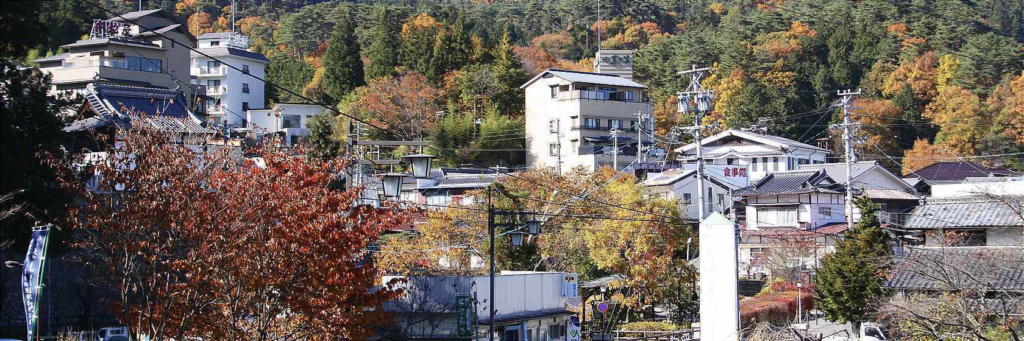
The history of Bessho Onsen stretches back more than 1,400 years, making it the oldest known hot spring in Nagano. Long before the rise of the samurai, its waters attracted monks, pilgrims, and aristocrats who came in search of healing and spiritual renewal. During the Heian and Kamakura periods, Bessho developed into an important Buddhist center supported by powerful clans such as the Hōjō and later the Sanada. Temples were established not only as places of worship, but also as centers of learning, meditation, and retreat, and many of these structures remain standing today, giving the town a remarkable sense of continuity.
The hot spring water itself is simple yet distinctive. Bessho Onsen is known for its sulfur-rich mineral water, slightly cloudy in appearance and marked by a characteristic scent. For centuries, the baths have been valued for warming the body, easing muscle and joint fatigue, and restoring circulation after travel or physical exertion. The bathing facilities are intentionally modest, reflecting the town’s philosophy that effectiveness and tradition matter more than luxury or spectacle.
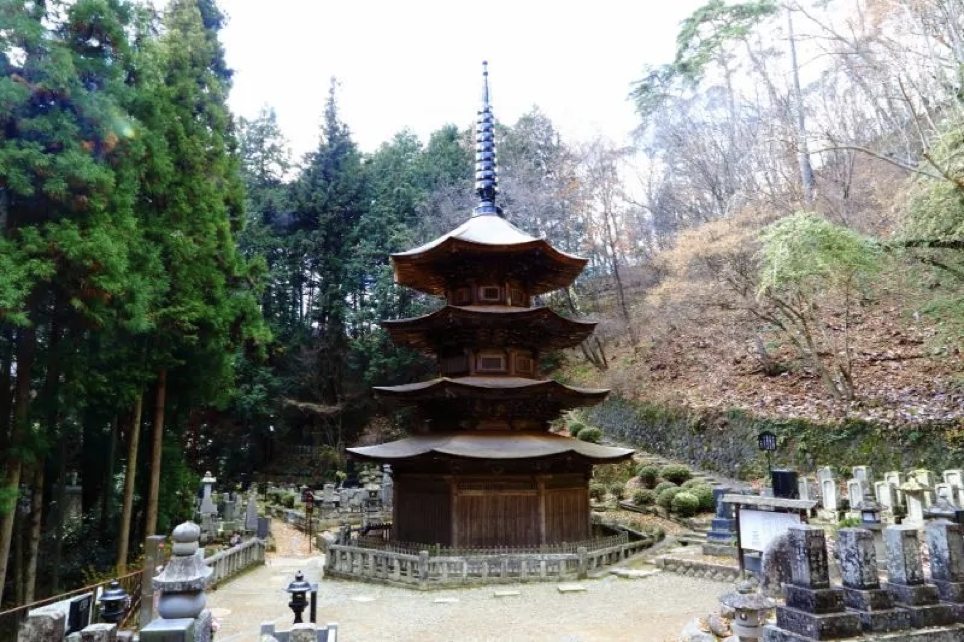
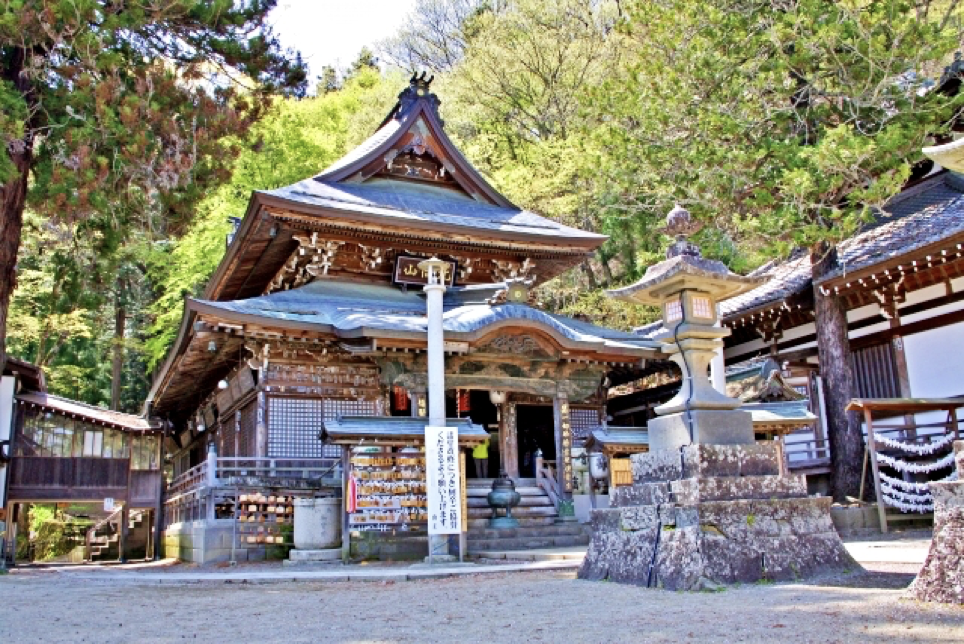
What truly sets Bessho Onsen apart is its concentration of historic temples, all within easy walking distance. Anraku-ji Temple is home to Japan’s only octagonal pagoda, a National Treasure dating from the Kamakura period whose unusual shape reflects esoteric Buddhist beliefs. Nearby, Kitamuki Kannon has been worshipped for centuries as a guardian deity associated with protection, good fortune, and safe journeys, notable for its rare north-facing orientation. Smaller temples such as Jōrin-ji and Chūzen-ji are scattered throughout the village, contributing to the feeling that Bessho is not a preserved museum town but a living religious landscape.
During the Sengoku period, the Sanada clan supported Bessho Onsen both politically and spiritually. Samurai visited the town to recover from battle and to pray at its temples before major campaigns, linking Bessho directly to the broader samurai heritage of Nagano. This connection adds historical depth to even the simplest stroll through the village, where stone paths, wooden ryokan façades, and quiet temple grounds still echo with the past.
Bessho Onsen is a town designed for walking and slowing down. Stone-paved lanes wind gently between bathhouses and temples, steam rises softly into the mountain air, and the sound of temple bells marks the passage of time. Three public bathhouses, each with its own atmosphere, encourage visitors to wander the town in yukata, moving naturally between soaking, walking, and resting.
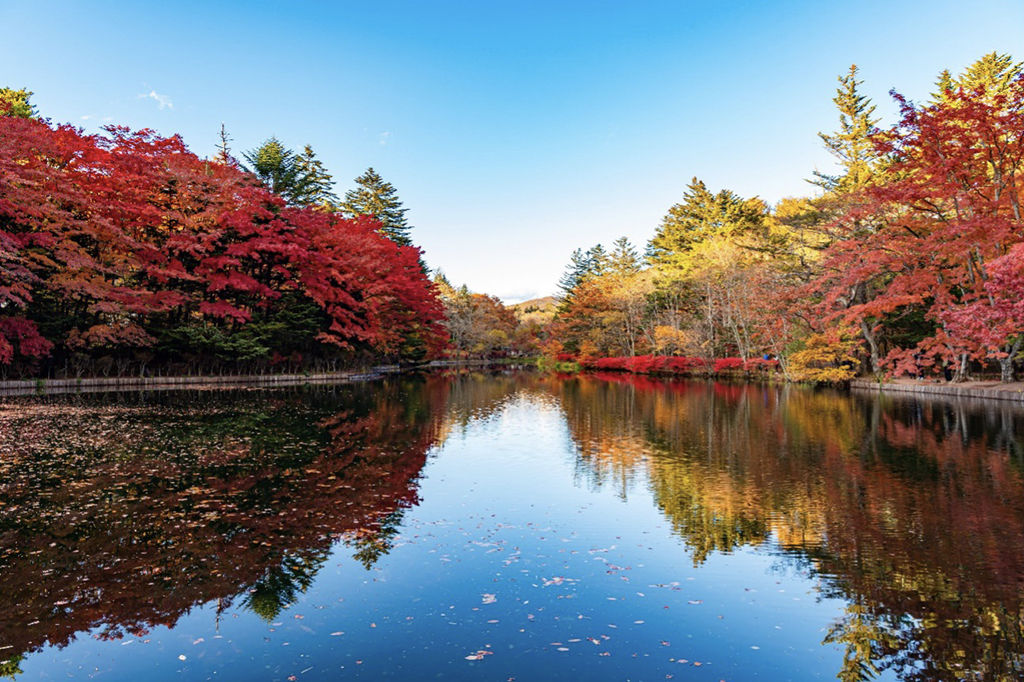
The character of Bessho Onsen changes with the seasons. In spring, cherry blossoms soften the temple grounds and paths. Summer brings cool mountain evenings that contrast pleasantly with the warmth of the baths. Autumn frames pagodas and streets with deep foliage colors, while winter transforms the town into a quiet, snow-covered retreat, where steam from the hot springs drifts into crisp air. Autumn and winter, in particular, offer some of the most atmospheric moments.
Visiting Bessho Onsen is not about luxury resorts or entertainment. It is about continuity, with water flowing for centuries, prayers whispered in wooden halls, and travelers moving at a human pace. For those exploring Karuizawa, Ueda, and the wider Nagano region, Bessho Onsen offers one of the area’s richest historical experiences, authentic community-rooted hot spring culture, and a rare blend of onsen tradition and Buddhist heritage. It is a place to soak, to walk, to reflect, and to understand how Japanese spirituality and everyday life have long been intertwined.
Bessho Onsen, Bessho Onsen Nagano, hot springs near Ueda, Nagano onsen town, Anraku-ji octagonal pagoda, Kitamuki Kannon, things to do in Ueda