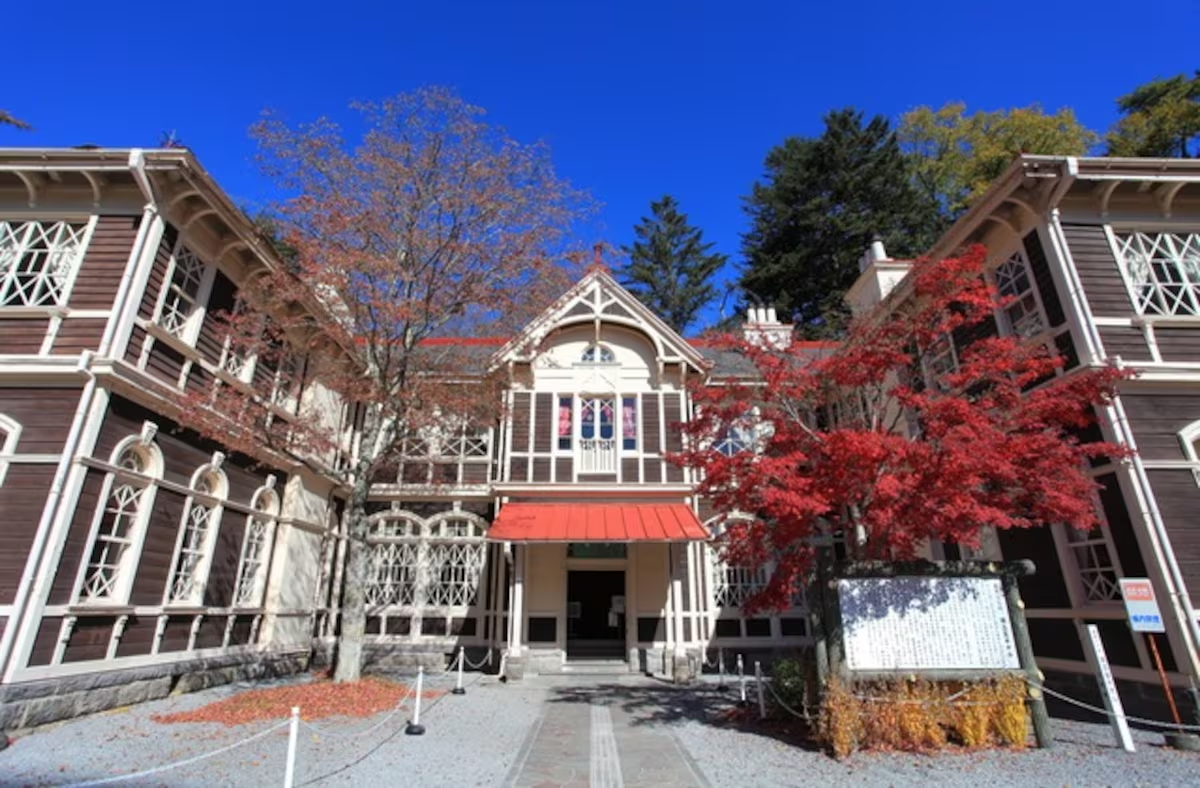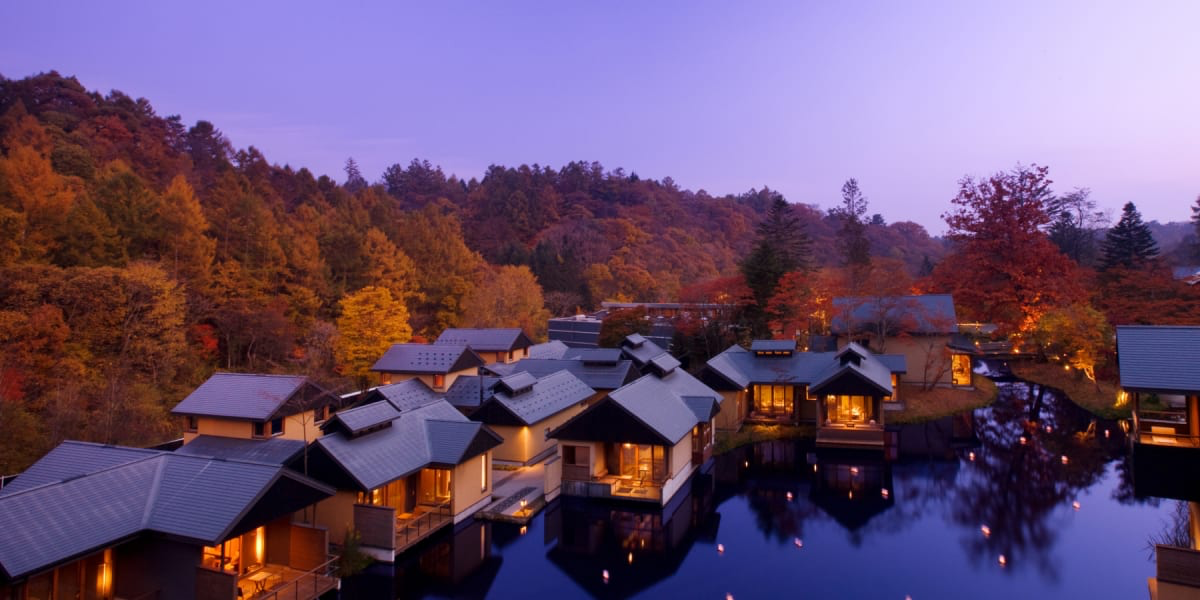
Sanada Shrine and the Sanada Treasure Museum, both located within Ueda Castle Ruins Park, together preserve the living legacy of one of Japan’s most respected samurai families. This compact yet deeply meaningful area allows visitors to experience samurai history not as distant legend, but as a story rooted in real places, decisions, and values that continue to shape local identity.
The Sanada clan rose to prominence during Japan’s Sengoku period, an age of constant conflict and shifting alliances. Under the leadership of Sanada Masayuki, a master strategist, the clan earned lasting fame by defeating far larger Tokugawa forces through intelligence, terrain control, and psychological insight rather than brute strength. From their base at Ueda Castle, the Sanada twice succeeded in delaying Tokugawa armies, an achievement that secured their reputation as one of the most formidable defensive clans of the era. This legacy of strategy and resilience forms the historical foundation of Sanada Shrine.
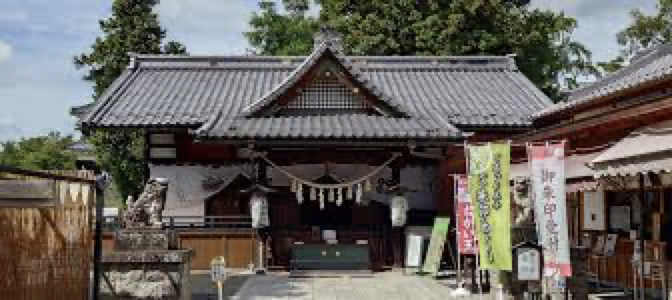
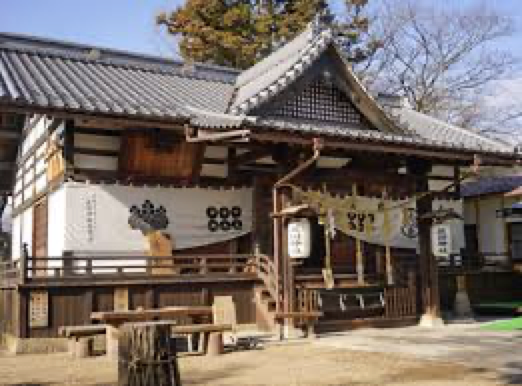
Sanada Shrine was established on the former castle grounds to honor Masayuki and his sons, Sanada Nobuyuki and Sanada Yukimura, figures admired not only for their battlefield skill but also for their loyalty and perseverance. The shrine is dedicated less to conquest than to qualities long respected in samurai culture, such as sound judgment, devotion to one’s domain, and the strength to endure overwhelming odds. Its location within the castle ruins reinforces the close relationship between faith, memory, and history, and many visitors come here to pray for success, resilience, and clarity in their own lives.
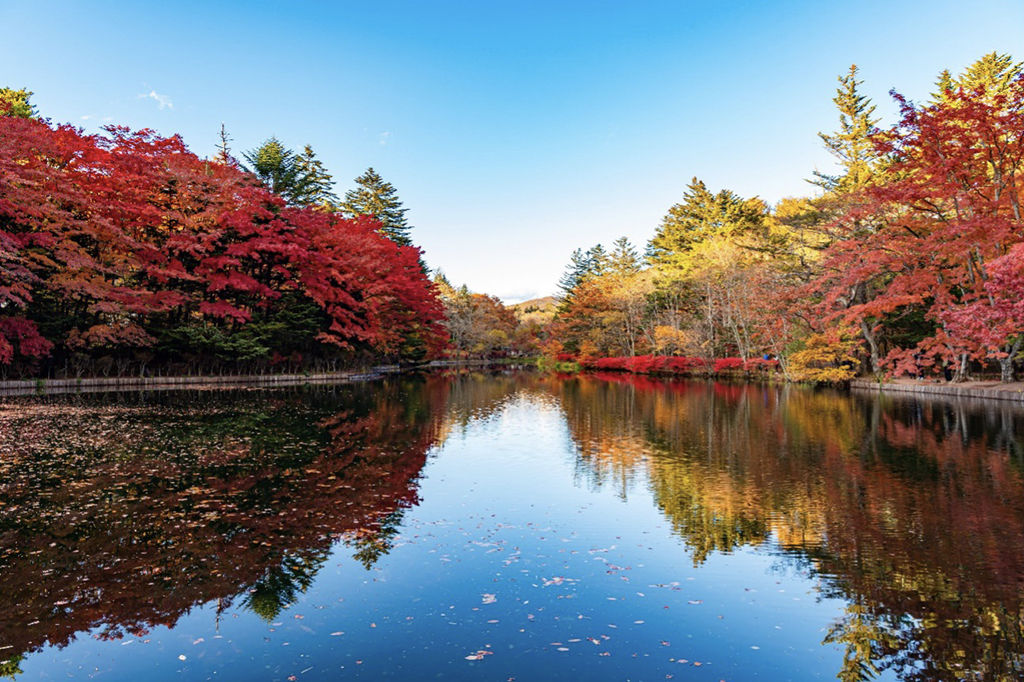
Architecturally, Sanada Shrine reflects quiet dignity rather than grandeur. Traditional wooden buildings, stone lanterns, and a simple torii gate blend naturally with the surrounding trees and remaining castle structures. The atmosphere shifts gently with the seasons, as cherry blossoms frame the paths in spring, deep green shade offers relief in summer, warm foliage intensifies the sense of age in autumn, and snow accentuates the shrine’s calm geometry in winter. This restraint mirrors the Sanada philosophy itself, emphasizing effectiveness and substance over display.
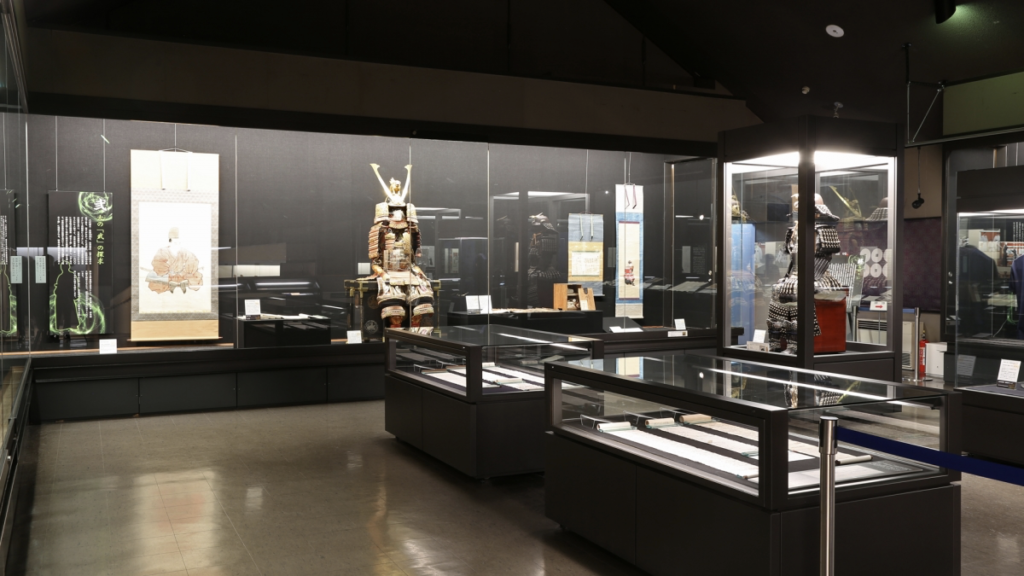
Next to the shrine, the Sanada Treasure Museum brings the clan’s story into tangible focus. The museum houses artifacts directly connected to the Sanada family and Ueda Castle, including samurai armor, swords, battlefield equipment, written records, maps, and objects from daily life. Rather than overwhelming visitors with spectacle, the exhibitions prioritize context, explaining how these items were used and what they reveal about life and warfare during the Sengoku period. Standing on the very ground where these events unfolded, visitors gain a rare sense of continuity between place and history.
What makes this site especially compelling is the way shrine and museum complement one another. Together they offer a balanced perspective on samurai life that integrates belief, strategy, and lived experience. The shrine provides a space for reflection and remembrance, while the museum offers historical evidence and explanation, creating a deeper understanding of why the Sanada clan continues to command respect centuries later.
Visiting Sanada Shrine and the Sanada Treasure Museum is not about grand castles or dramatic reenactments. It is about understanding how intelligence, loyalty, and memory shaped regional history and left a lasting cultural imprint. Walking between the shrine and the museum, visitors move seamlessly from prayer to documentation, from quiet faith to historical record. For travelers interested in samurai strategy, regional history, and authentic cultural sites, this pairing offers one of the most rewarding and thoughtful experiences in Ueda.
Sanada Shrine, Sanada Treasure Museum, Sanada clan history, Ueda samurai sites, Ueda Castle Sanada, things to do in Ueda, Nagano history sites