The Hiroshi Senju Museum is one of the most refined cultural destinations in Karuizawa, a place where contemporary Japanese art, architecture, and nature exist in quiet harmony. Tucked gently into the forested Sengataki area, the museum feels less like a conventional gallery and more like a contemplative landscape. It does not seek to impress through scale or spectacle; instead, it invites visitors to slow their pace, observe carefully, and sense the subtle dialogue between art and environment.
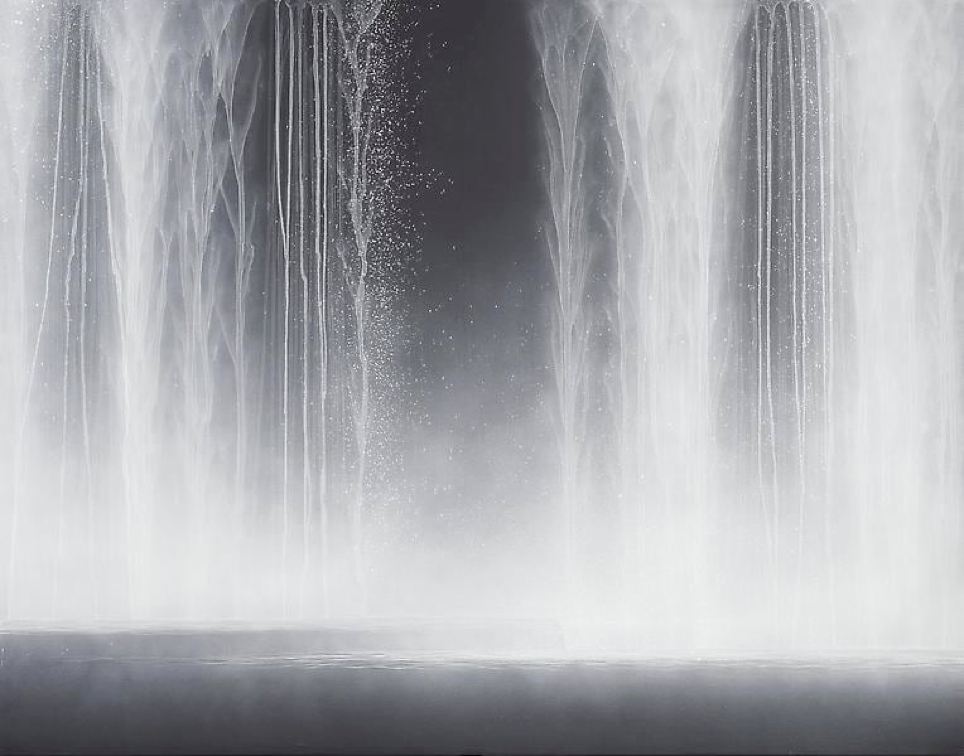
The museum is dedicated to Hiroshi Senju, one of Japan’s most internationally recognized contemporary artists. Senju is best known for his monumental waterfall paintings created using traditional nihonga techniques and natural mineral pigments. His global reputation grew significantly in 1995 when he became the first Asian artist to receive an Honorable Mention at the Venice Biennale. Senju’s works are defined by a striking duality: waterfalls that feel powerful yet silent, dynamic yet meditative. His exploration of impermanence, time, and nature resonates deeply with the spirit of Karuizawa, a place long associated with reflection and retreat.
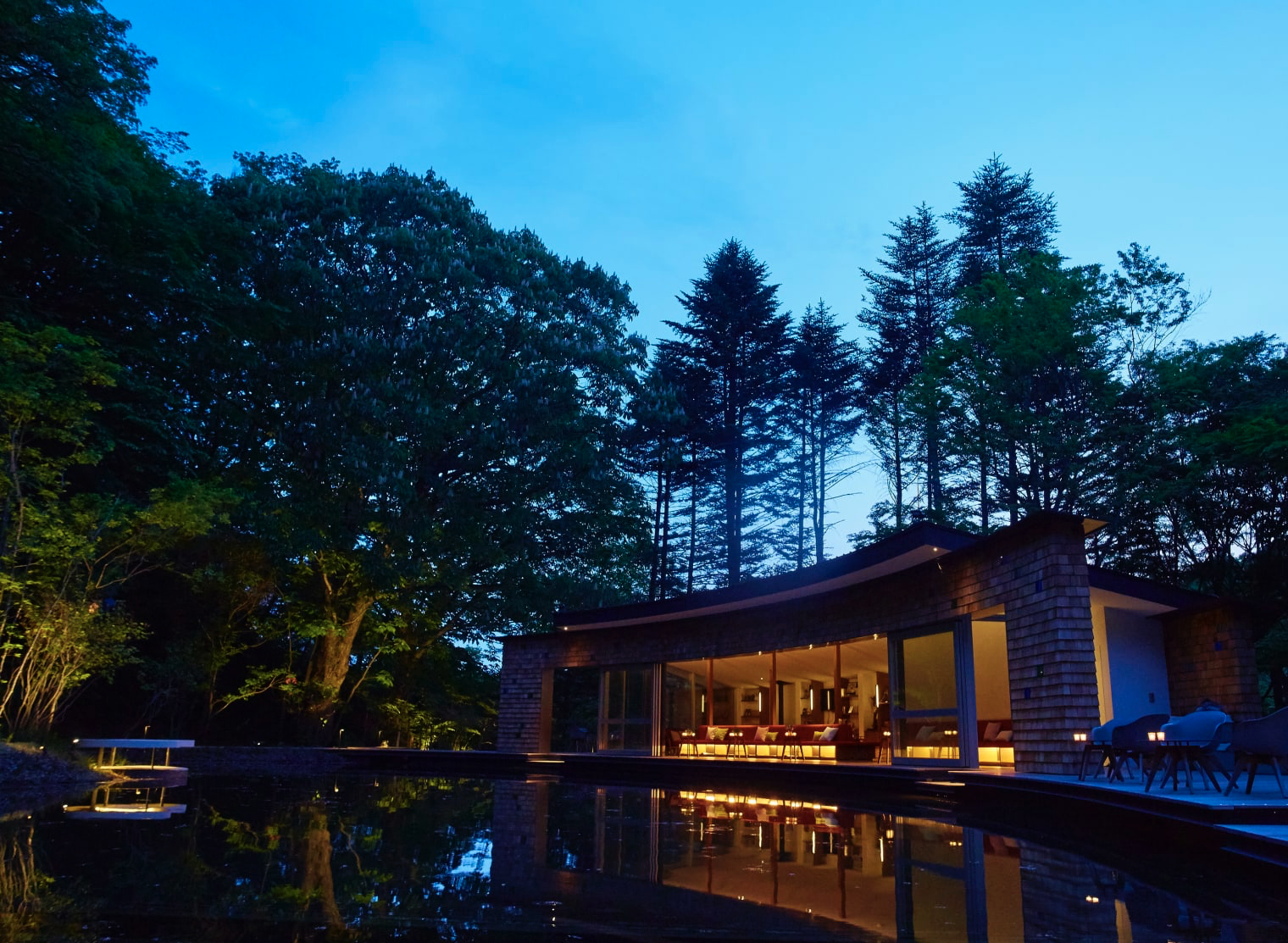
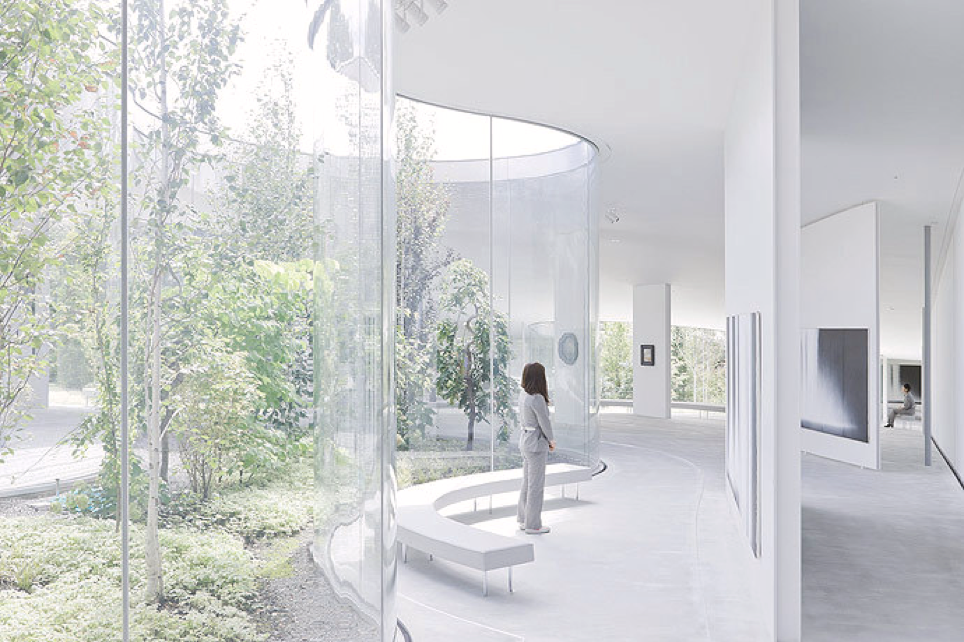
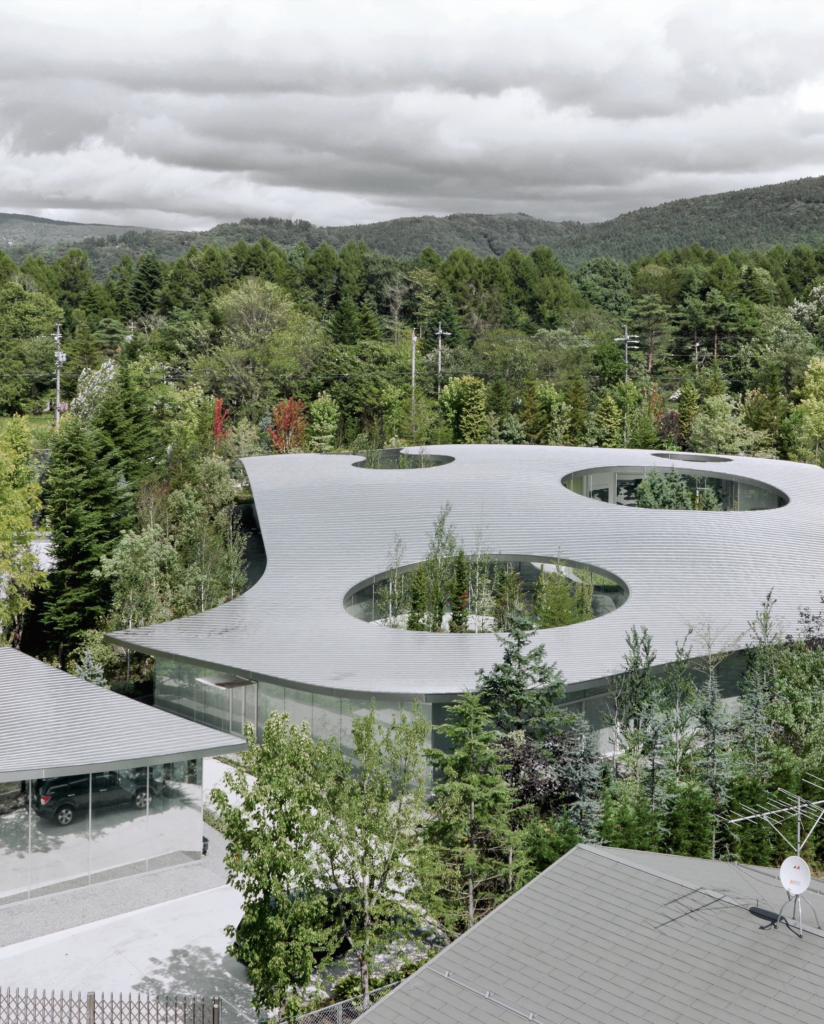
The building itself is an essential part of the experience. Designed by Ryue Nishizawa, co-founder of SANAA and one of Japan’s most influential contemporary architects, the museum was conceived with a clear philosophy: architecture should never overpower either the art or the forest. A long, gently sloping white roof follows the natural contours of the land, while expansive glass walls open the interior toward the surrounding trees. Transitions between indoors and outdoors are seamless, so that entering the museum feels like continuing a walk through nature rather than crossing a clear boundary into a building.
At the heart of the museum is Senju’s celebrated waterfall series. Created by pouring pigment down vertical canvases, these works appear frozen in motion, echoing Karuizawa’s own natural features, such as nearby waterfalls and mountain streams. The choice of Karuizawa as the museum’s home was deliberate. The town’s cool, clean air, abundant water, and long tradition of art, literature, and quiet living amplify the emotional impact of the paintings. On overcast or rainy days, the connection feels especially strong, as the painted waterfalls seem to breathe in rhythm with the surrounding forest.
A visit to the Hiroshi Senju Museum unfolds slowly and intentionally. Natural light shifts throughout the day, altering the mood of the galleries, while forest scenery becomes part of the exhibition itself. Silence and generous space allow visitors to form their own interpretations without distraction. Photography inside is often restricted, encouraging direct observation rather than documentation, a refreshing contrast to many modern museums. Outside, landscaped paths and reflective water features extend the experience beyond the gallery walls, reinforcing the sense that art and nature are inseparable here.
Culturally, the museum represents a distinctly modern Japanese approach to creativity. It respects tradition without imitation, embraces innovation without disruption, and seeks harmony between human expression and the natural world. This balance makes the museum appealing not only to art enthusiasts and architecture lovers, but also to travelers who might not usually visit museums yet are drawn to spaces with depth and meaning.
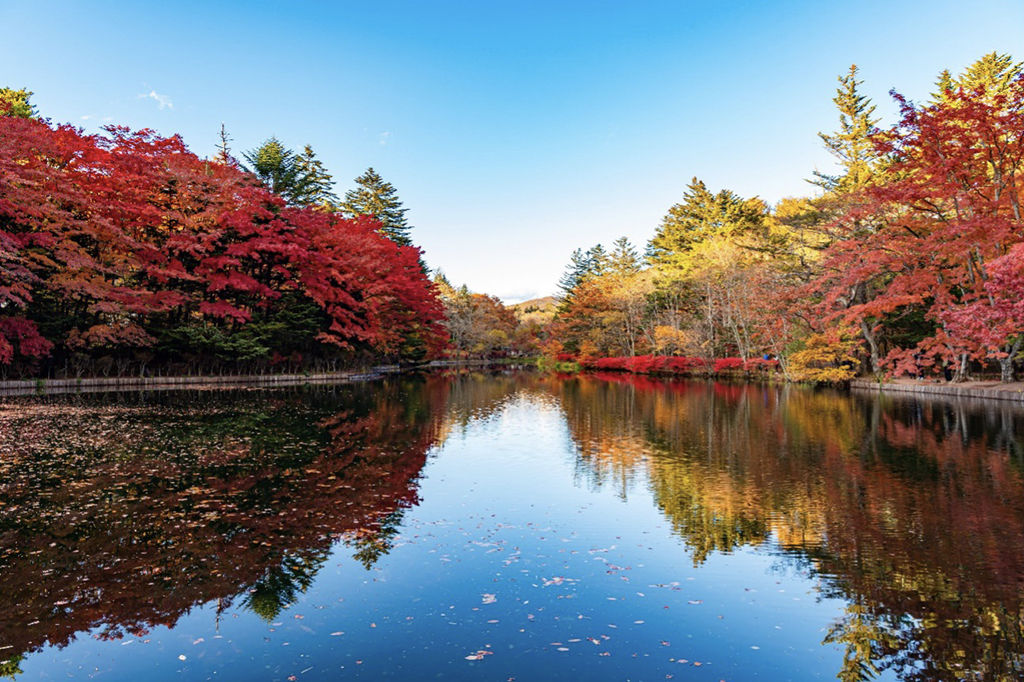
The museum is rewarding in every season. In spring, fresh greenery complements the clean white architecture. Summer offers cool interior spaces and shaded forest paths. Autumn transforms the surroundings with vivid foliage reflected in glass and water, while rainy days lend a particularly atmospheric quality, making the waterfall paintings feel almost alive. Allowing extra time to sit, reflect, and revisit rooms is highly recommended.
Ultimately, the Hiroshi Senju Museum captures the essence of Karuizawa itself: quiet sophistication, deep respect for nature, and the belief that beauty reveals itself slowly. Rather than telling visitors what to feel, the museum creates the conditions for feeling—through light, space, water, and silence. For those seeking art that breathes, architecture that listens, and a museum that restores rather than overwhelms, this is one of Karuizawa’s most rewarding experiences.
Hiroshi Senju Museum, Hiroshi Senju Karuizawa, Karuizawa art museum, Ryue Nishizawa architecture, contemporary Japanese art, things to do in Karuizawa