Mount Asama is the powerful natural force behind Karuizawa—its landscape, climate, and history. Rising to 2,568 meters, Asama is one of Japan’s most active volcanoes, not a distant backdrop but a living presence that has shaped the region for thousands of years. For visitors, Mount Asama explains much of what makes Karuizawa distinctive: the cool air, fertile forests, clear spring water, and scenery that feels both raw and refined.
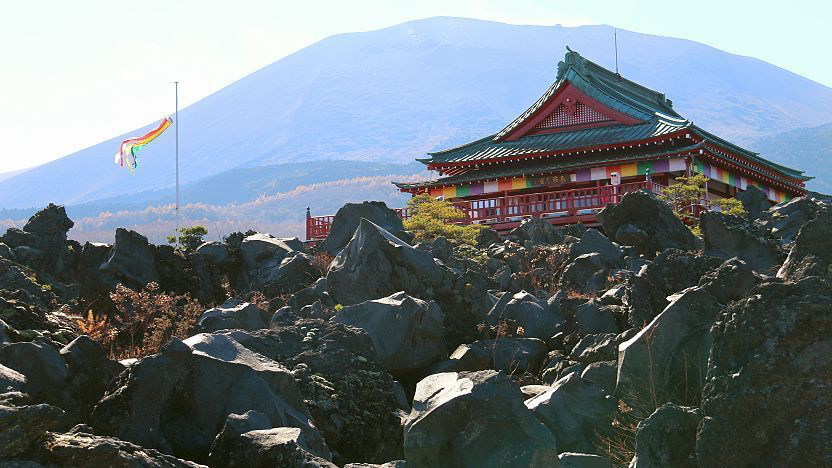
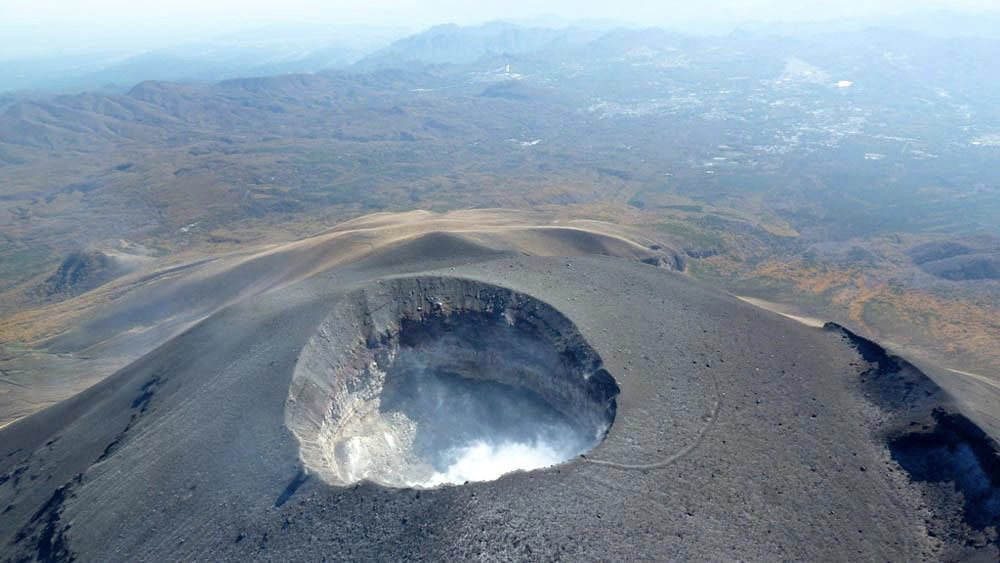
Asama is a stratovolcano formed through repeated eruptions over hundreds of thousands of years, part of the volcanic chain created by tectonic plate subduction beneath the Japanese archipelago. One of its most consequential events occurred in 1783 during the Edo period, known as the Tenmei Eruption. Lava flows and ash clouds spread across the region, carving new terrain and creating the dramatic Onioshidashi Lava Field, while widespread agricultural damage led to famine. The eruption permanently reshaped the landscape that surrounds Karuizawa today. Unlike extinct peaks, Asama remains continuously monitored; minor eruptions and gas emissions still occur, a reminder that the mountain is alive.
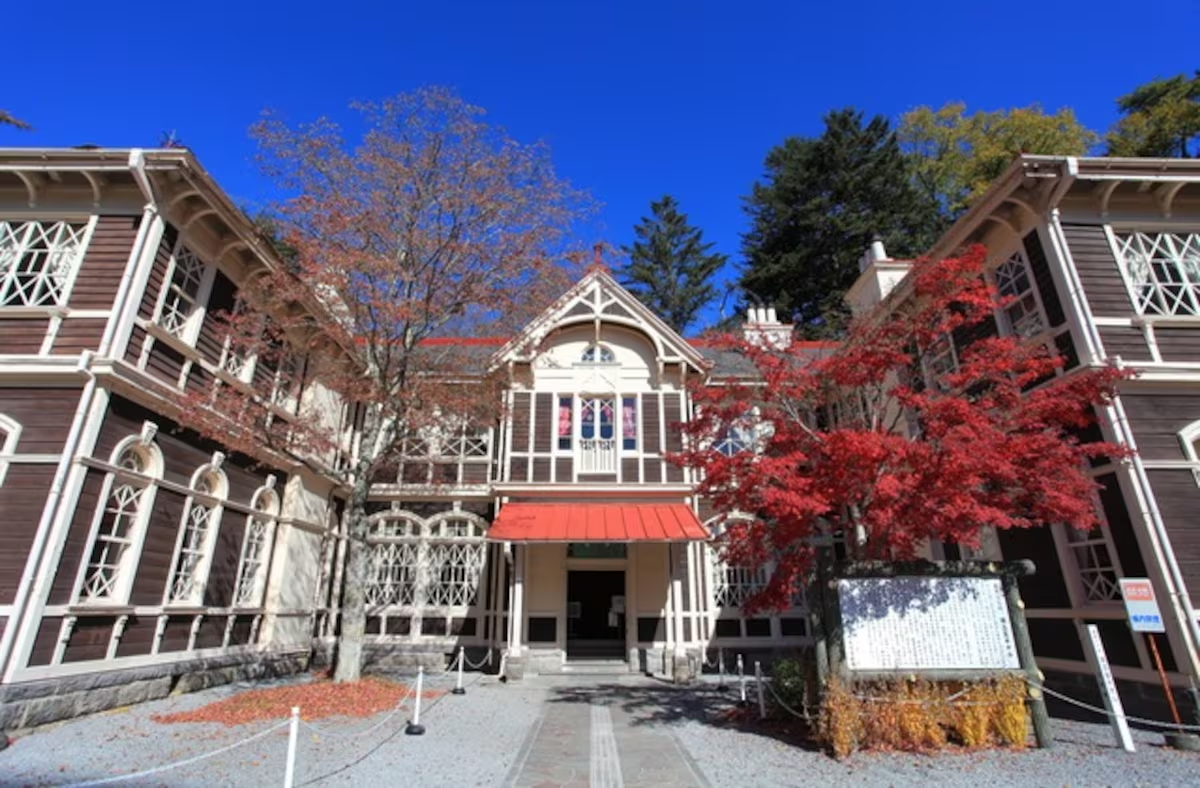
This volcanic activity directly influenced Karuizawa’s development. Porous lava and ash allow rain and snow to filter naturally through the ground, producing exceptionally clear spring water. The mountain’s elevation contributes to cooler summer temperatures, while volcanic deposits have shaped forest growth and biodiversity. When missionaries and educators arrived in the late nineteenth century, they were drawn not only by the climate but by the healthy environment created by Asama’s geology—a foundation for Karuizawa’s rise as a mountain retreat.
In Japanese belief, volcanoes are often regarded as sacred yet dangerous, deserving reverence rather than conquest. Mount Asama has long been worshipped as a powerful deity associated with fire and purification, and shrines dedicated to Asama are found throughout the region. For centuries, people prayed here for protection from eruptions, agricultural fertility, and safe passage through volcanic lands. That respect continues today in the careful balance between access and restriction on the mountain.
Experiencing Asama does not require a summit climb. Because activity levels vary, access is managed closely, but there are rewarding ways to engage with the mountain at multiple levels. Gentle trails circle the lower slopes through forested terrain, offering nature observation and photography without entering restricted zones. The Onioshidashi Lava Field provides one of Japan’s most striking volcanic landscapes, with boardwalks and paths laid across hardened lava from the 1783 eruption—visually dramatic, safe, and accessible. On rare occasions when conditions allow, higher routes may open under strict guidance, emphasizing safety and respect for the mountain’s power.
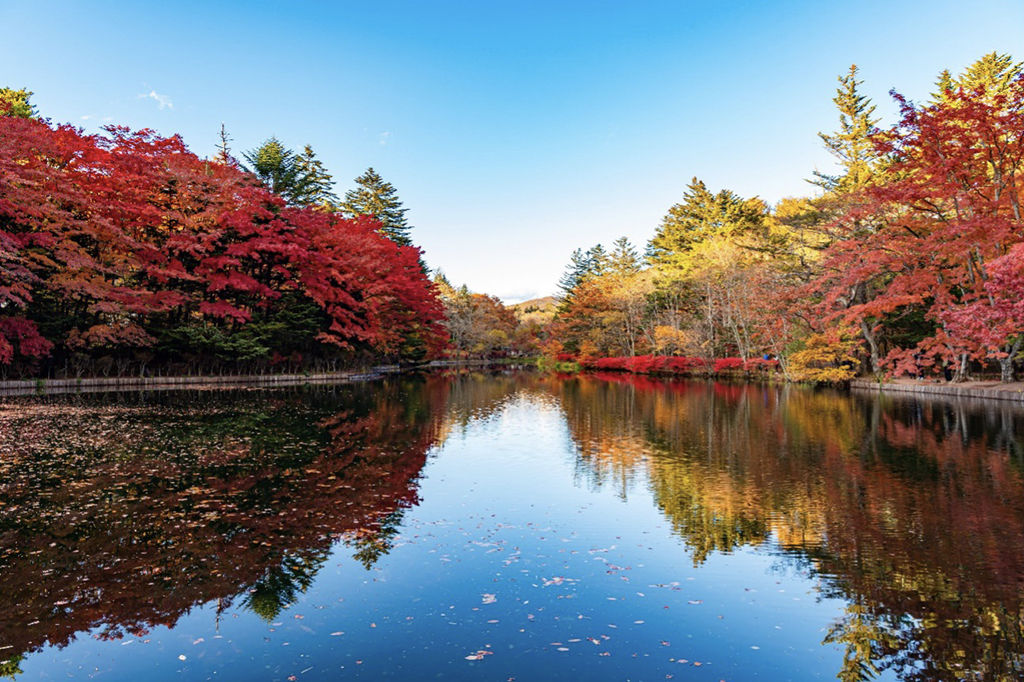
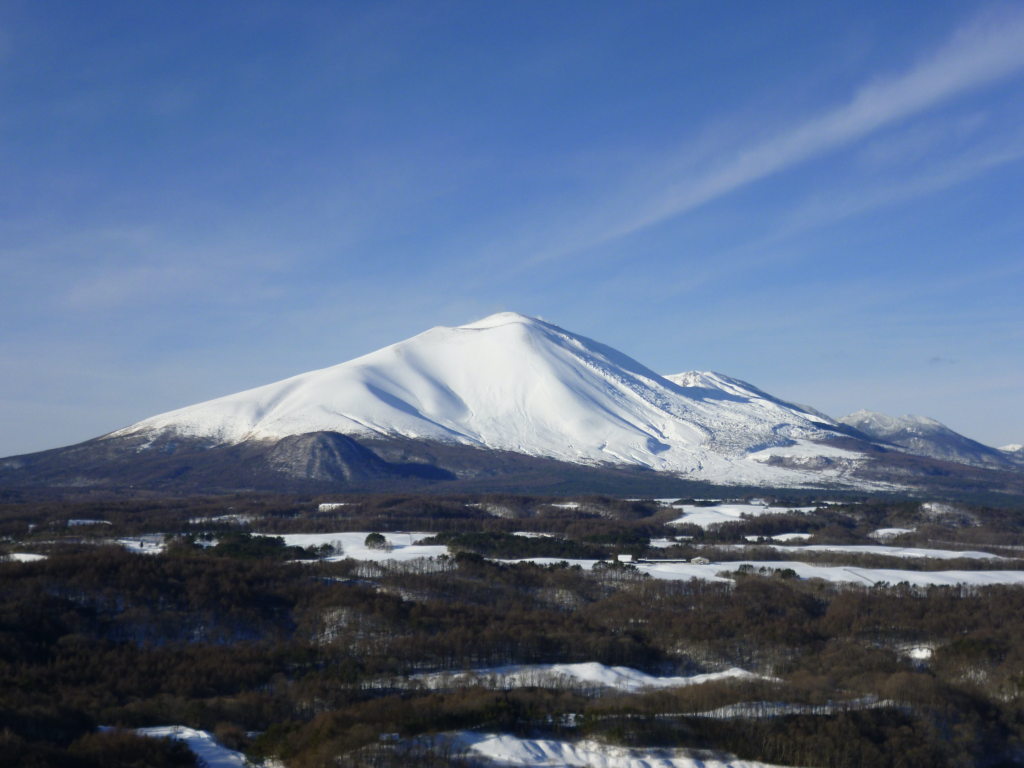
Mount Asama defines the horizon in every season. In spring, a snow-capped summit rises above fresh green forests. Summer brings clear mornings and crisp outlines of volcanic slopes. Autumn paints vivid foliage against dark lava terrain, while winter transforms Asama into a stark alpine giant. Early mornings—especially in autumn and winter—offer the clearest views.
As one of Japan’s most active volcanoes, Asama is closely monitored by meteorological authorities, with alert levels determining access. Visitors are encouraged to check local advisories, follow trail restrictions, and respect closures. This careful management allows people to experience the mountain while acknowledging its risks.
Situated along the border of Nagano and Gunma prefectures, Mount Asama is visible from Karuizawa town and nearby viewpoints such as Usui Pass and Onioshidashi. Most visits fit comfortably into a half day or full day, often paired with nearby highlights like Shiraito Waterfall or the Hoshino Area.
Ultimately, Mount Asama is the unseen architect of Karuizawa. It shaped the land, influenced settlement, and continues to define the region’s character. Unlike mountains that exist only to be climbed, Asama asks for awareness and humility. Whether encountered through lava fields, forest trails, or distant views, it adds depth to any visit and offers one of the most powerful encounters with Japan’s living geology.
Mount Asama Karuizawa, Asama volcano, Mount Asama hiking, Asama lava field, Oniooshidashi, Karuizawa nature, active volcano Japan, things to do in Karuizawa