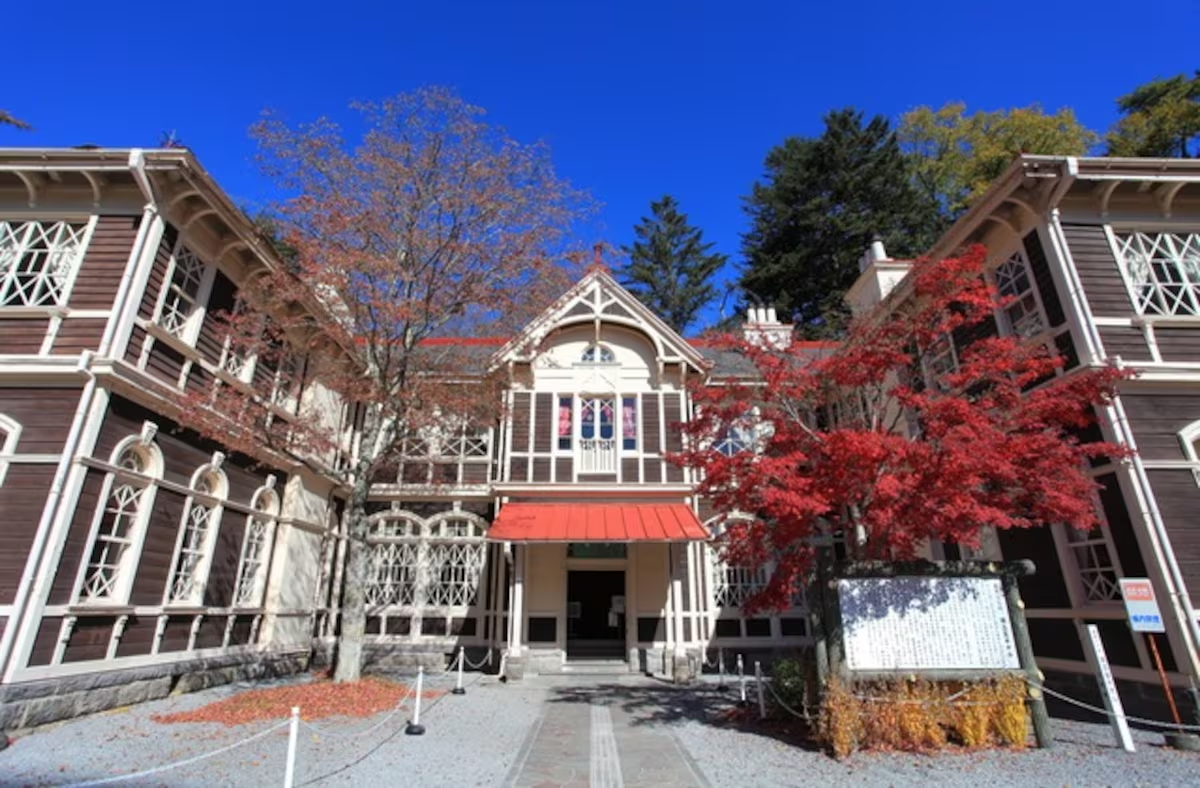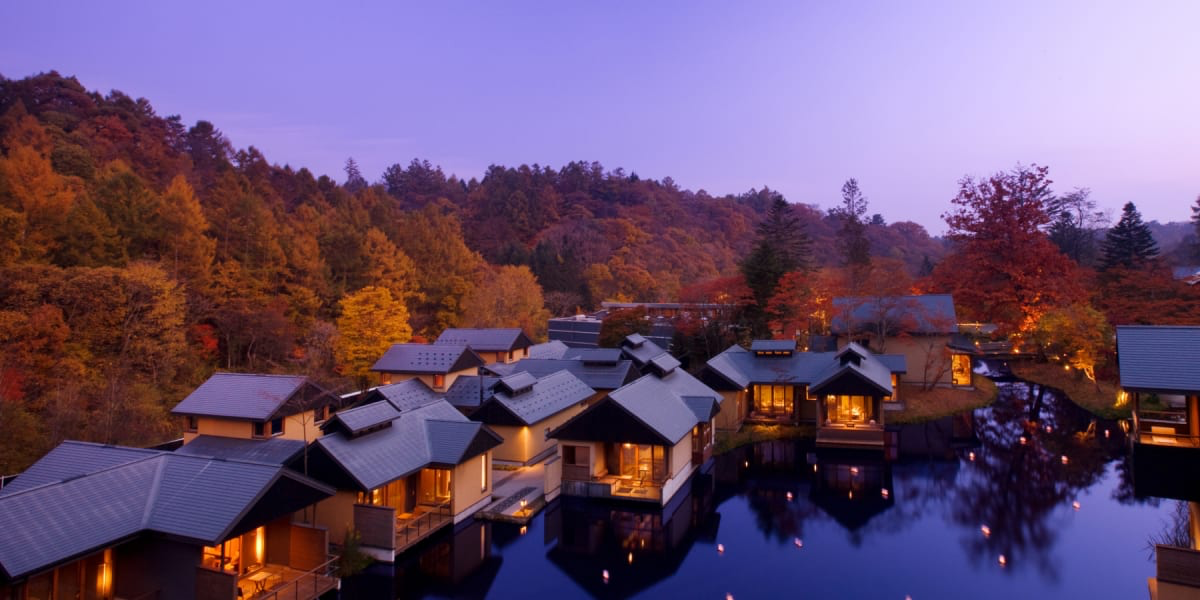
Kumoba Pond, often called Swan Lake, is one of the most beloved and symbolic natural landmarks in Karuizawa. Quiet, elegant, and deeply connected to the town’s identity, the pond has long served as a place of reflection for residents, writers, missionaries, and visitors seeking calm in Japan’s most refined mountain resort. Situated between Karuizawa Station and Old Karuizawa Ginza Street, Kumoba Pond is not a dramatic sightseeing destination, and that understatement is precisely what defines its charm.
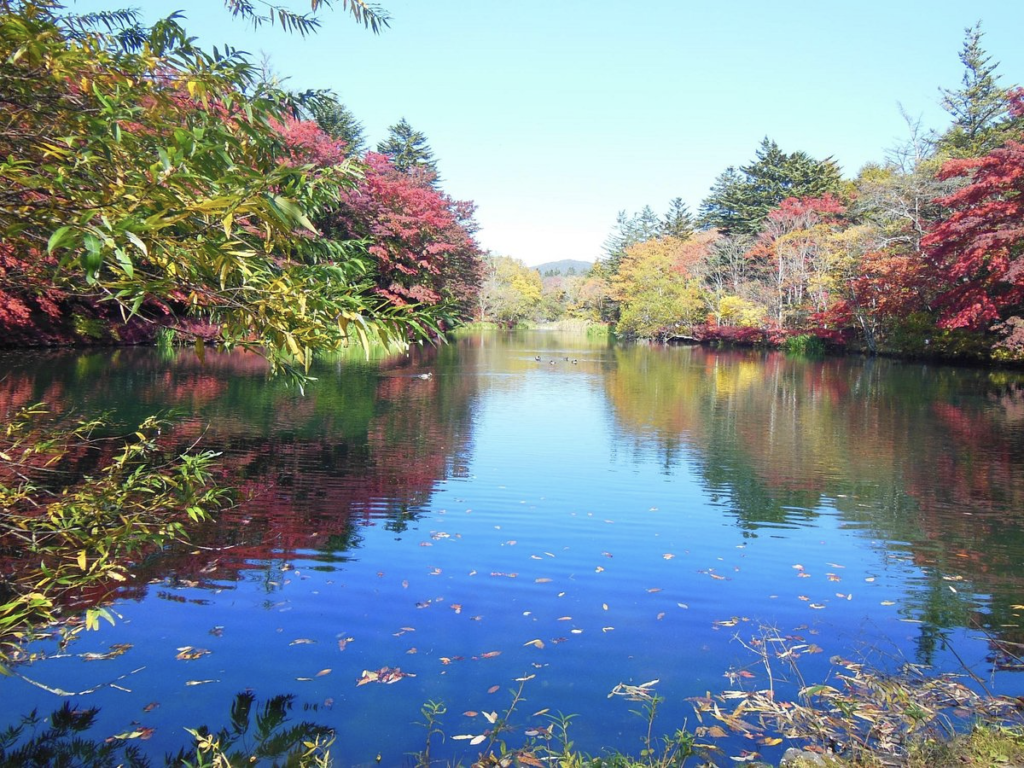
The origins of Kumoba Pond lie in Karuizawa’s natural landscape. It was originally a marshland formed by groundwater and mountain runoff flowing through the highland terrain. Before Karuizawa developed into a resort town, this area was part of the local ecosystem, supporting wildlife and seasonal agricultural activity. When foreign missionaries and educators began arriving in the late nineteenth century, the surrounding land was treated with unusual care. Rather than being heavily altered, it was preserved in line with the early residents’ belief that Karuizawa should be a place of rest, contemplation, and harmony with nature. Over time, the wetland was gently shaped into a pond while maintaining its natural character, making it an early example of environmental sensitivity in modern Japan.
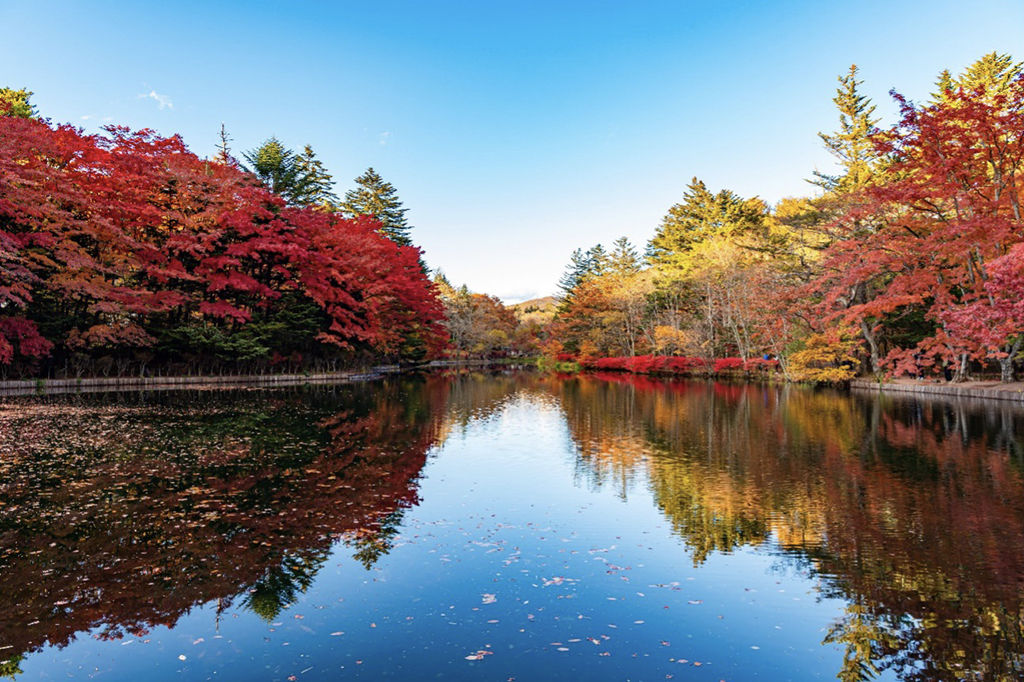
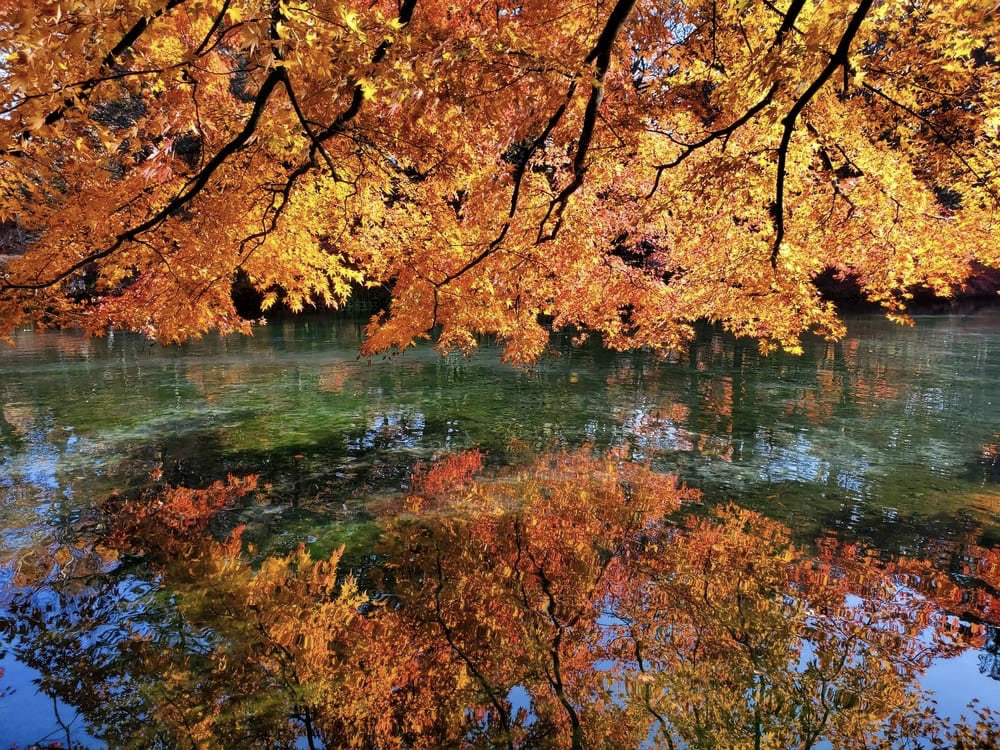
The English nickname “Swan Lake” comes from the graceful waterfowl that historically visited the pond, particularly during migration seasons. Although swans are not always present today, the name remains a poetic reflection of the pond’s calm and elegance. The Japanese name Kumoba, written as 雲場, can be interpreted as “place of clouds,” a reference to the way the sky, surrounding trees, and seasonal colors are reflected on the water’s surface, creating the illusion that clouds themselves are resting on the pond.
As Karuizawa grew into Japan’s first international summer resort, Kumoba Pond naturally became part of daily cultural life. Foreign missionaries and diplomats, Japanese Christian intellectuals, writers, artists, and local residents all used the path around the pond as a place for quiet walking and reflection. Unlike formal gardens, Kumoba Pond required no explanation or ritual. Its value lay in silence, balance, and repetition, qualities that resonated with both Western and Japanese views of nature. Many early visitors described the pond as a place where one could think clearly, an experience that was rare amid the pace of modernizing cities.
What truly distinguishes Kumoba Pond is its philosophy of restraint. There are no dramatic bridges or monuments, minimal signage, and only a simple path that follows the water’s edge. This understated design reflects Karuizawa’s long-standing planning principles, which prioritize forest preservation, limited visual noise, and nature as the dominant presence. The walking loop takes about twenty to thirty minutes, making it accessible to visitors of all ages and perfectly suited to slow travel.
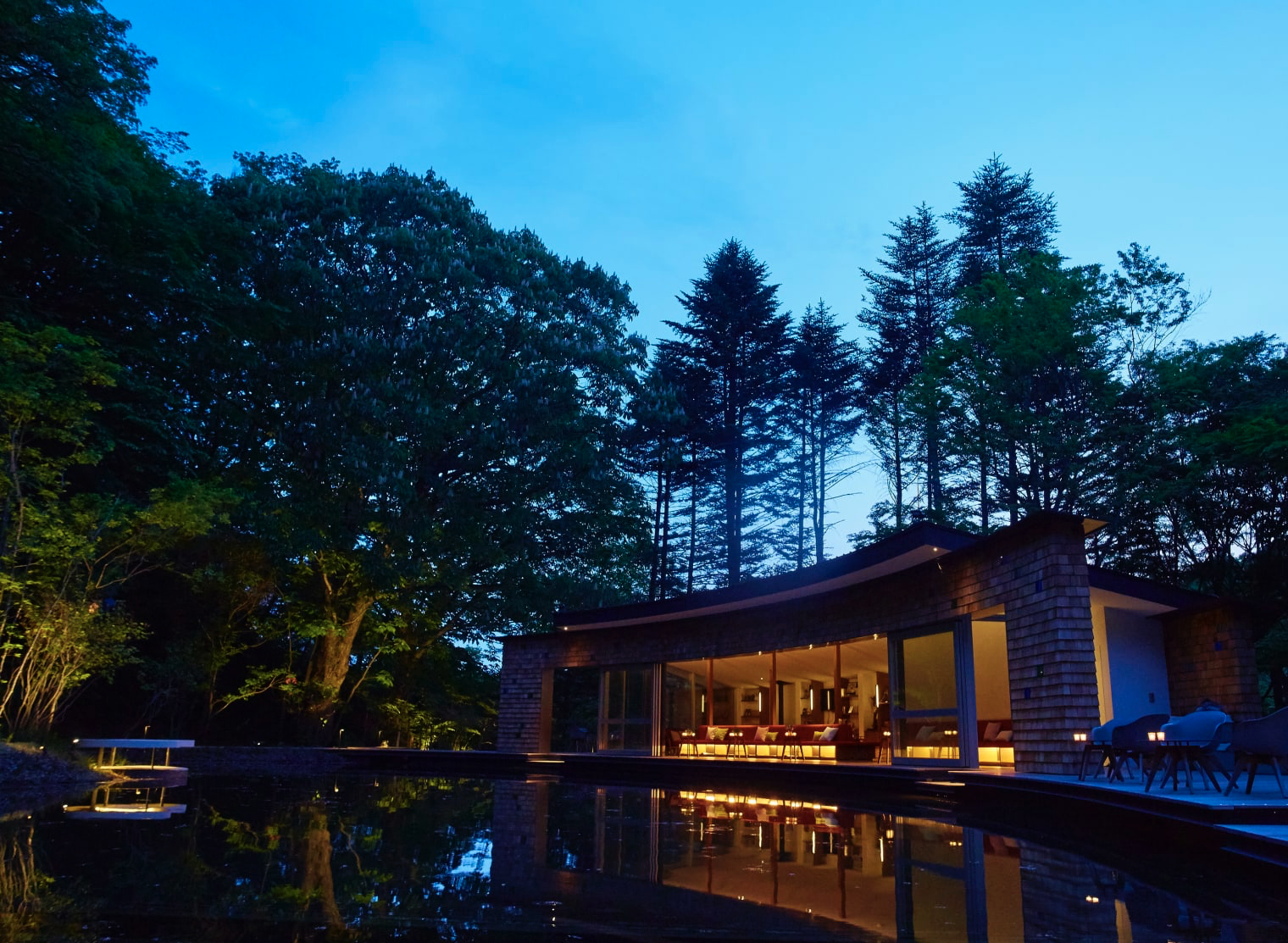
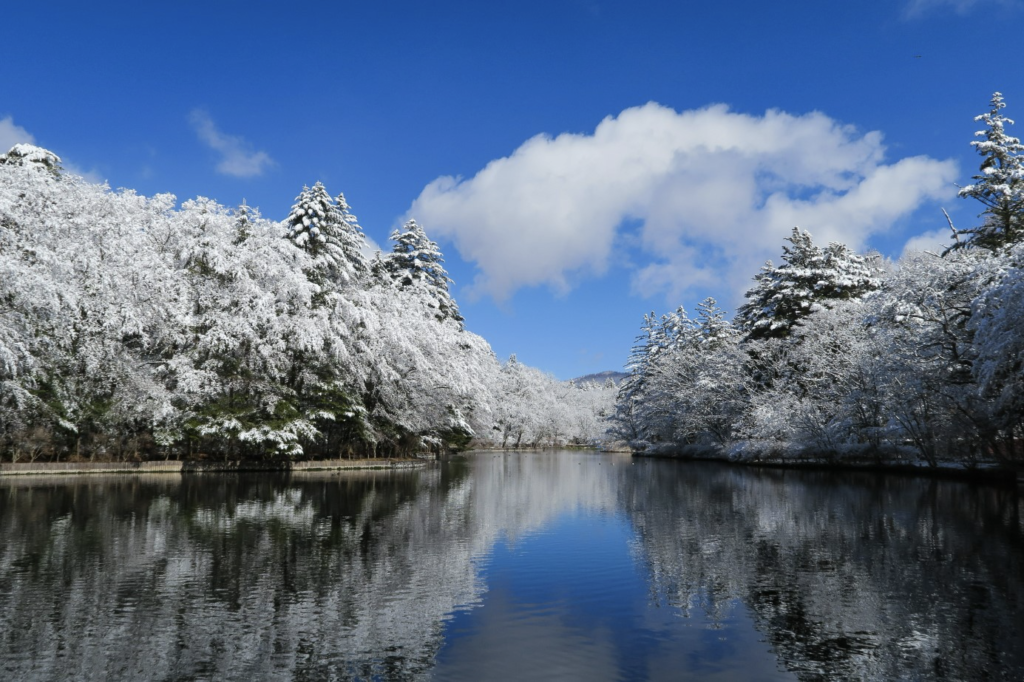
The pond also functions as a living calendar of the seasons. In spring, fresh green leaves and soft reflections signal the town’s awakening. Summer brings dense foliage, cool shade, and deep emerald tones that offer relief from the heat. Autumn transforms the area into one of Karuizawa’s most famous sights, with brilliant red, orange, and gold leaves mirrored on the water’s surface. Winter reduces the scene to quiet simplicity, as snow creates a silent, monochrome landscape. While autumn is the most photographed season, many locals consider early summer mornings to be the most beautiful, when the air is cool and the pond is at its calmest.
For residents of Karuizawa, Kumoba Pond is not a tourist attraction but part of everyday life. It is a place for morning walks before cafés open, quiet conversations on benches, seasonal photography rituals, and a gentle pause between Old Karuizawa and nearby residential areas. This daily use is what keeps the pond feeling authentic rather than staged.
Kumoba Pond represents the soul of Karuizawa more clearly than any single building. It reflects the town’s core values of quiet over spectacle, balance over excess, and nature treated as a partner rather than a backdrop. For travelers who want to understand why Karuizawa feels fundamentally different from many other destinations in Japan, a slow walk around Kumoba Pond is essential. It asks nothing of you, and in return offers clarity, calm, and a deeper sense of place.
Kumoba Pond Karuizawa, Swan Lake Karuizawa, Karuizawa autumn leaves, Karuizawa nature walk, Kumoba Pond history, things to do in Karuizawa, Karuizawa sightseeing