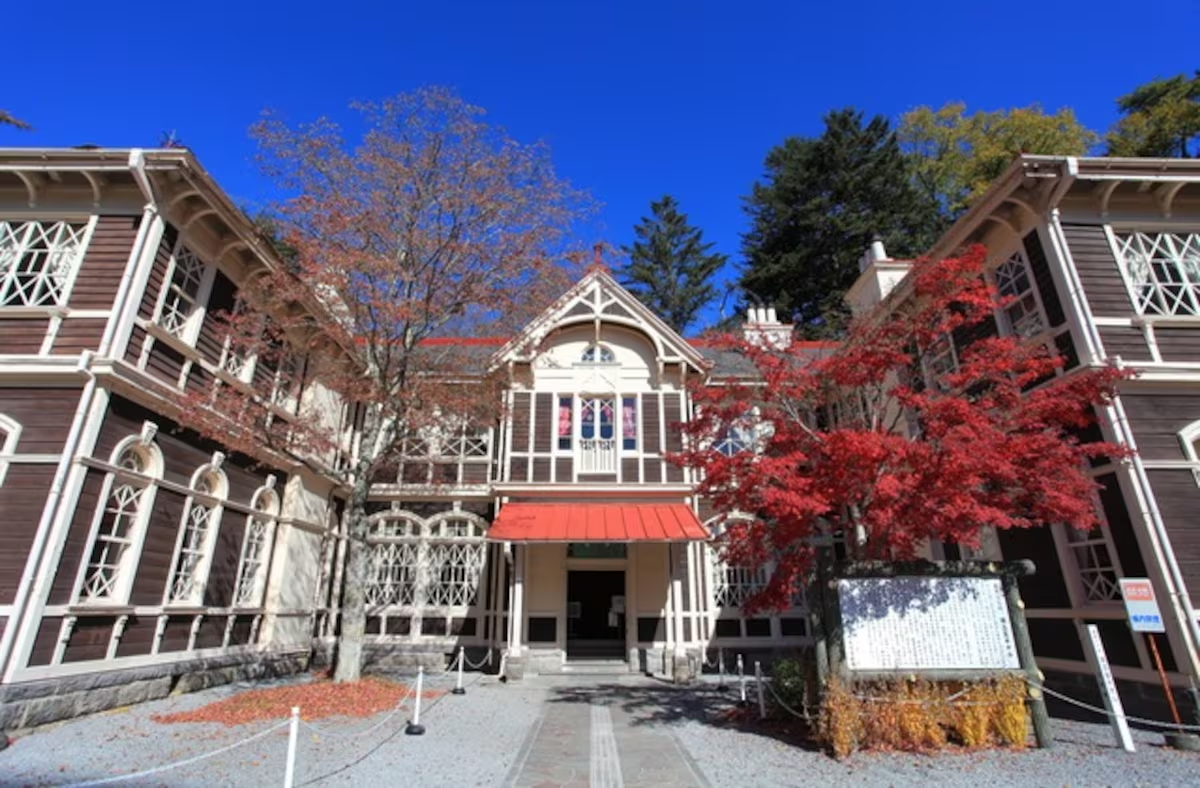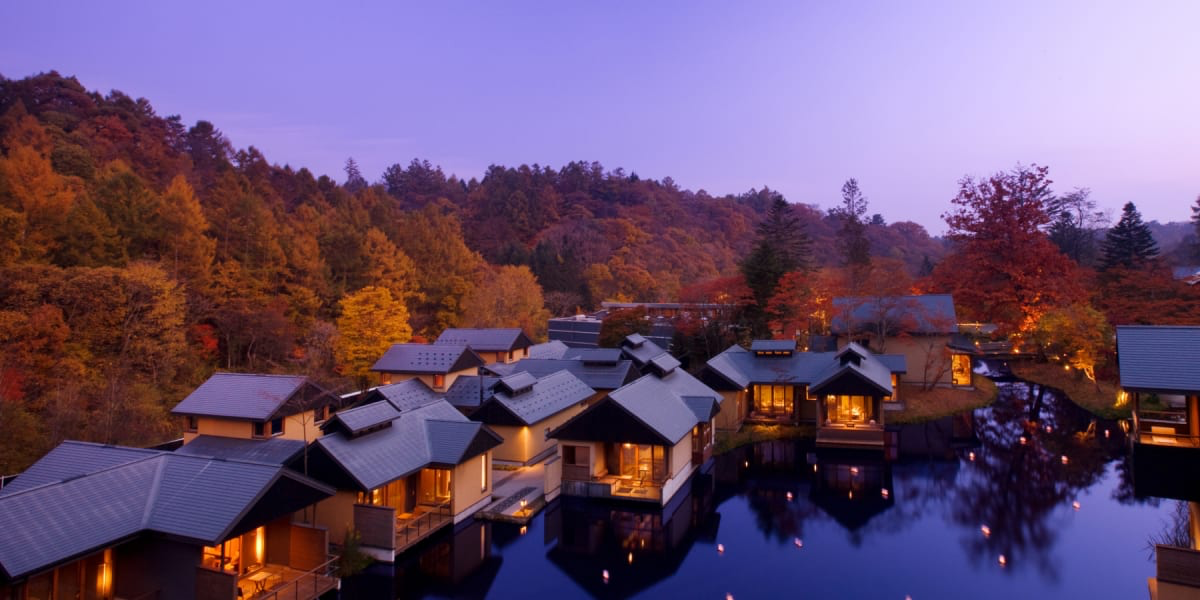
Karuizawa is often described as Japan’s most elegant mountain resort, known for its cafés, forest villas, and relaxed atmosphere. Yet beneath this refined surface lies a deeper and more meaningful story. Long before Karuizawa became a leisure destination, it developed as a place of spiritual retreat and intellectual exchange, shaped by foreign missionaries, Japanese thinkers, and architects who believed that faith, nature, and everyday life should exist in balance. At the heart of this history are three remarkable churches. Each represents a different tradition, philosophy, and period, and together they form the foundation of Karuizawa’s unique international identity.
In the late nineteenth century, Karuizawa’s cool highland climate began attracting foreign residents seeking refuge from Japan’s hot and humid summers. Missionaries, diplomats, educators, and Japanese intellectuals followed, gradually transforming the town into a center of cross-cultural exchange, learning, and quiet reflection. Instead of constructing large or imposing religious institutions, these early communities built churches that were modest in scale, closely connected to the surrounding forests, and designed for seasonal residents and contemplation. This approach resulted in a rare concentration of churches that feel intimate and personal rather than monumental, each deeply integrated into the landscape.
The earliest of these is Shaw Memorial Church, built in 1895 and recognized as Karuizawa’s oldest church. It marks the beginning of the town’s transformation into an international resort and commemorates Alexander Croft Shaw, the Anglican missionary who first introduced Karuizawa to foreign residents as an ideal summer retreat. The church’s simple wooden construction and steep roof, designed to withstand heavy snowfall, reflect the practical values of early missionaries. Beyond its religious role, it functioned as a meeting place for foreign residents and Japanese Christians, anchoring Karuizawa’s emerging international community and setting the tone for its future development.
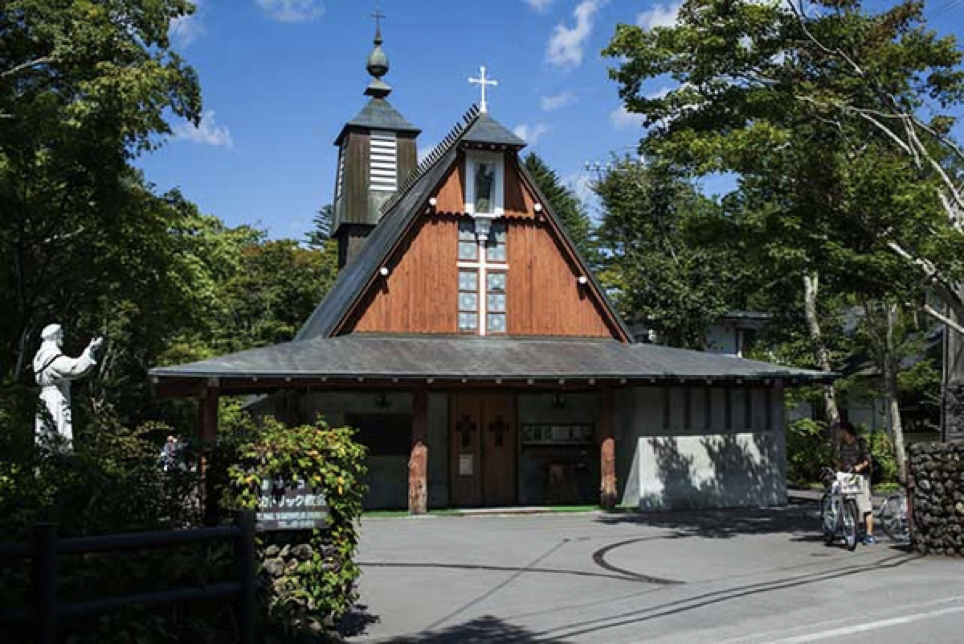
As Karuizawa’s foreign population grew and diversified in the early twentieth century, Catholic residents and diplomats also began to settle in the area. This led to the completion of St. Paul’s Catholic Church in 1935. Designed by Antonin Raymond, one of the most influential figures in modern Japanese architecture, the church blends Western architectural ideas with Japanese craftsmanship and materials. Its wooden structure, clean lines, and forest setting create an atmosphere that feels warm, restrained, and timeless. Today, the church remains an active place of worship and is also widely admired as one of Japan’s most beautiful wedding venues, symbolizing Karuizawa’s multicultural maturity.
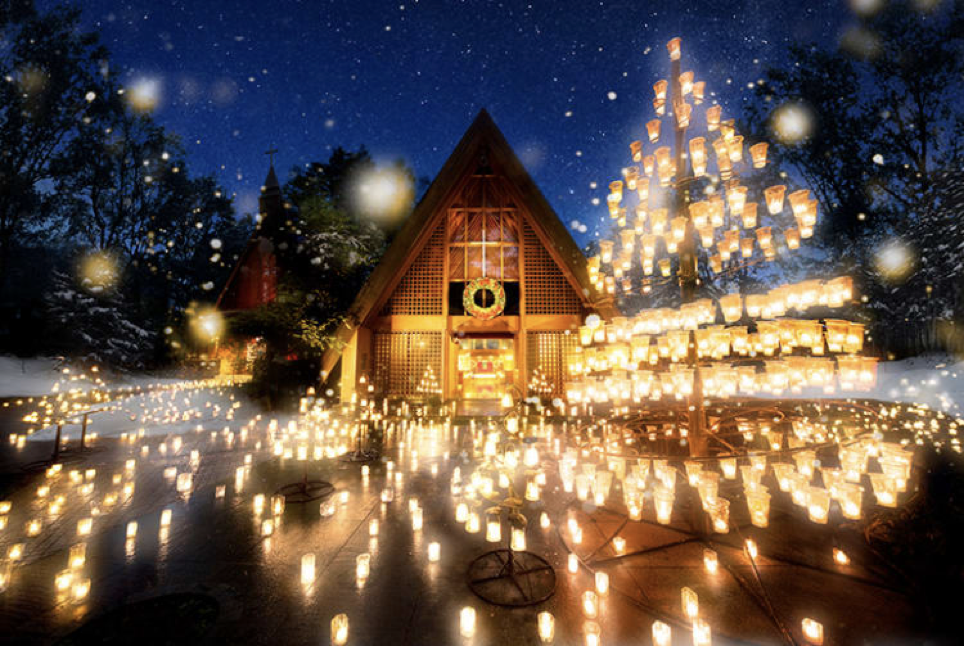
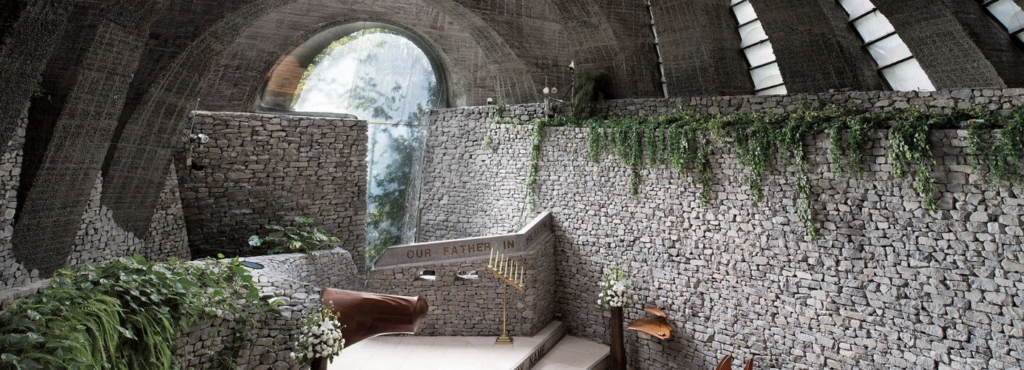
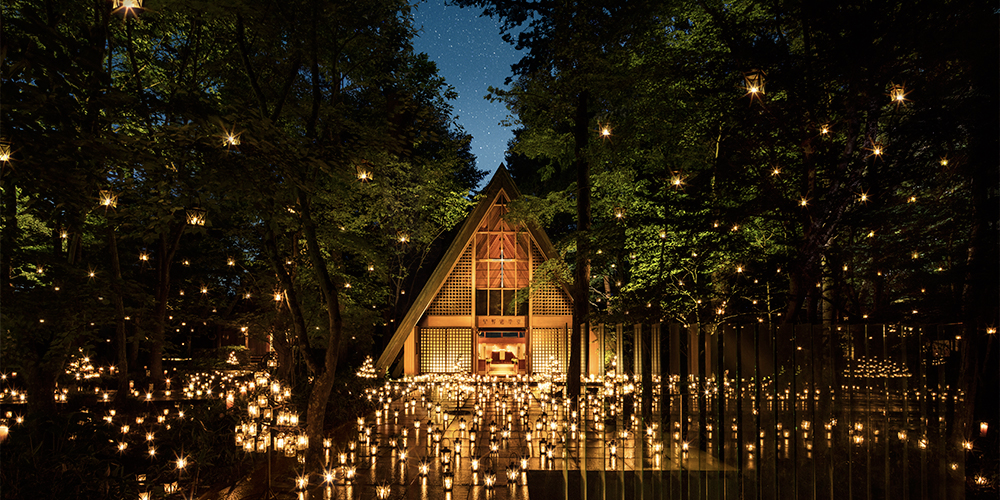
A striking contrast to these earlier wooden churches can be found in the Hoshino Area, where the Stone Church (Uchimura Kanzō Memorial) stands as a modern spiritual landmark. Completed in 1988, the church honors Uchimura Kanzō, founder of the Nonchurch Movement, which emphasized personal faith over institutional religion. Designed by Kendrick Bangs Kellogg, the building is an outstanding example of organic architecture. Formed from stone, glass, and open space, it allows light, wind, and sound to shape the experience, blurring the boundary between structure and nature. Today, the Stone Church is internationally recognized as one of Japan’s most unique and contemplative spiritual spaces.
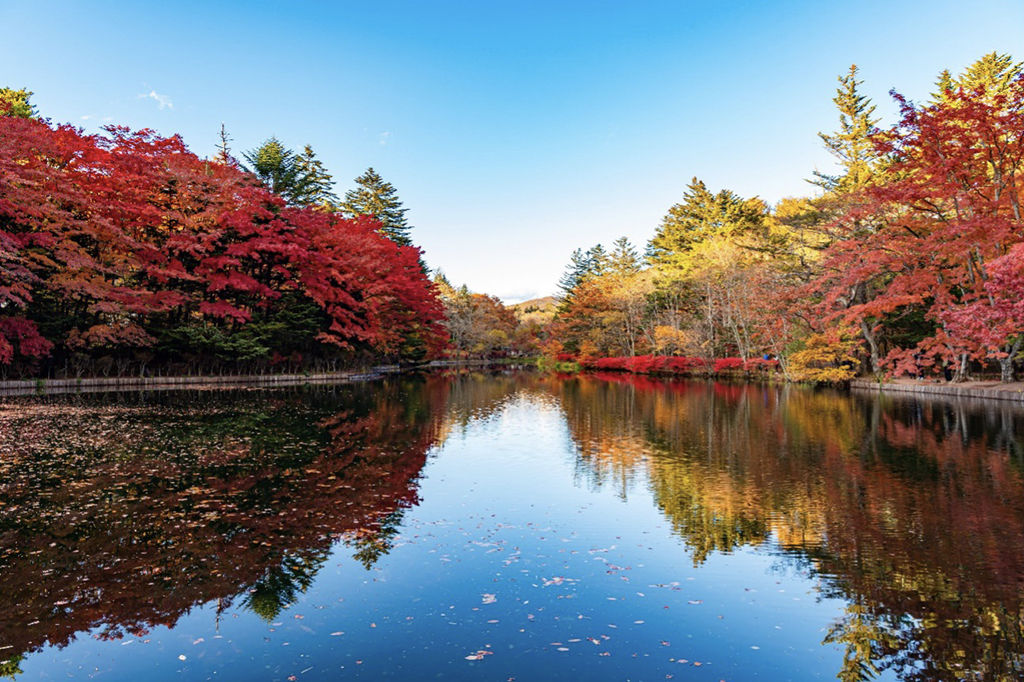
These three churches can be explored easily as part of a thoughtful walk through Karuizawa. In the Old Karuizawa area, Shaw Memorial Church and St. Paul’s Catholic Church are within comfortable walking distance, often combined with a stroll along Old Karuizawa Ginza Street or a quiet visit to Kumoba Pond. A longer half-day itinerary can include a short bus or taxi ride to the Hoshino Area to experience the Stone Church, followed by time at a nearby onsen or forest café. Each season offers a different atmosphere, from fresh greenery and blossoms in spring to cool shade in summer, vivid foliage in autumn, and serene snow-covered scenes in winter. Early mornings are especially rewarding for quiet reflection and photography.
Together, these three churches tell the story of Karuizawa’s transformation from a missionary retreat to a multicultural summer resort and finally to a place of modern spiritual and architectural experimentation. They reflect how faith, culture, and design evolved alongside Japan’s modernization, all within a single mountain town. For travelers seeking depth, calm, and meaning beyond typical sightseeing, Karuizawa’s historic churches offer an experience that is subtle, profound, and unforgettable.
historic churches of Karuizawa, Karuizawa churches, Shaw Memorial Church, St. Paul’s Catholic Church Karuizawa, Stone Church Karuizawa, Karuizawa history, Karuizawa architecture