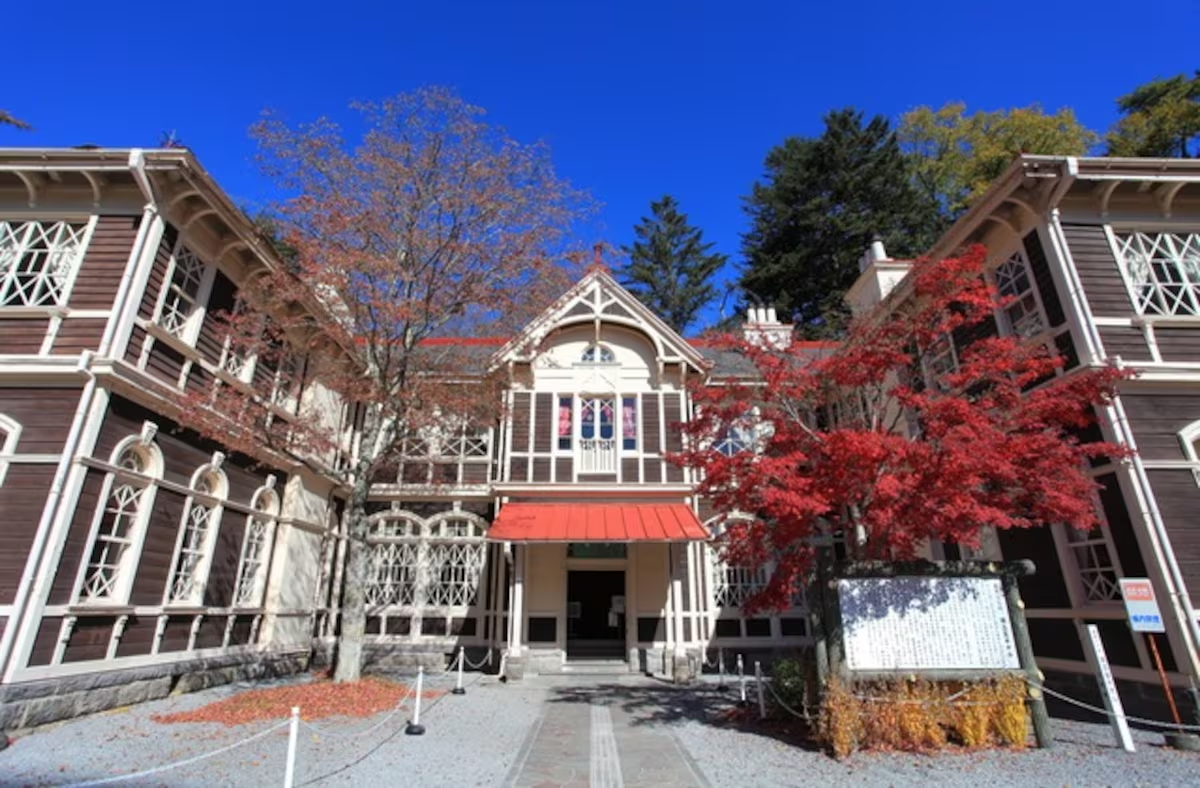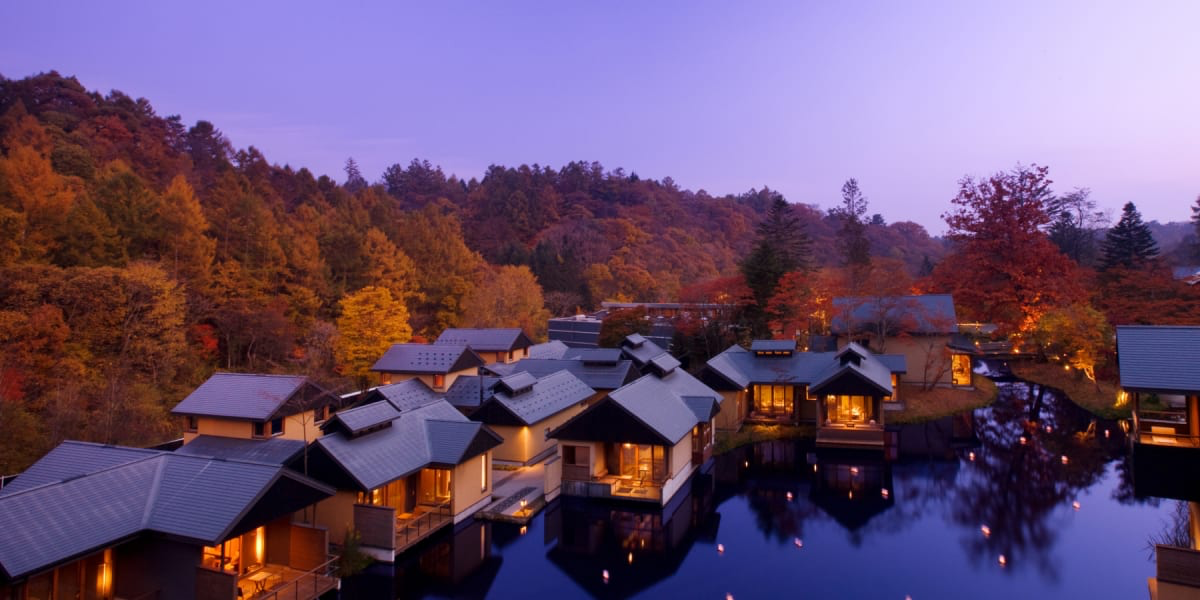
When planning a short trip from Tokyo, many travelers find themselves choosing between Karuizawa, Hakone, and Nikkō. All three are easy to reach and popular for good reason, yet the experiences they offer are very different. Understanding these differences makes it much easier to choose the destination that best matches your travel style, interests, and pace.

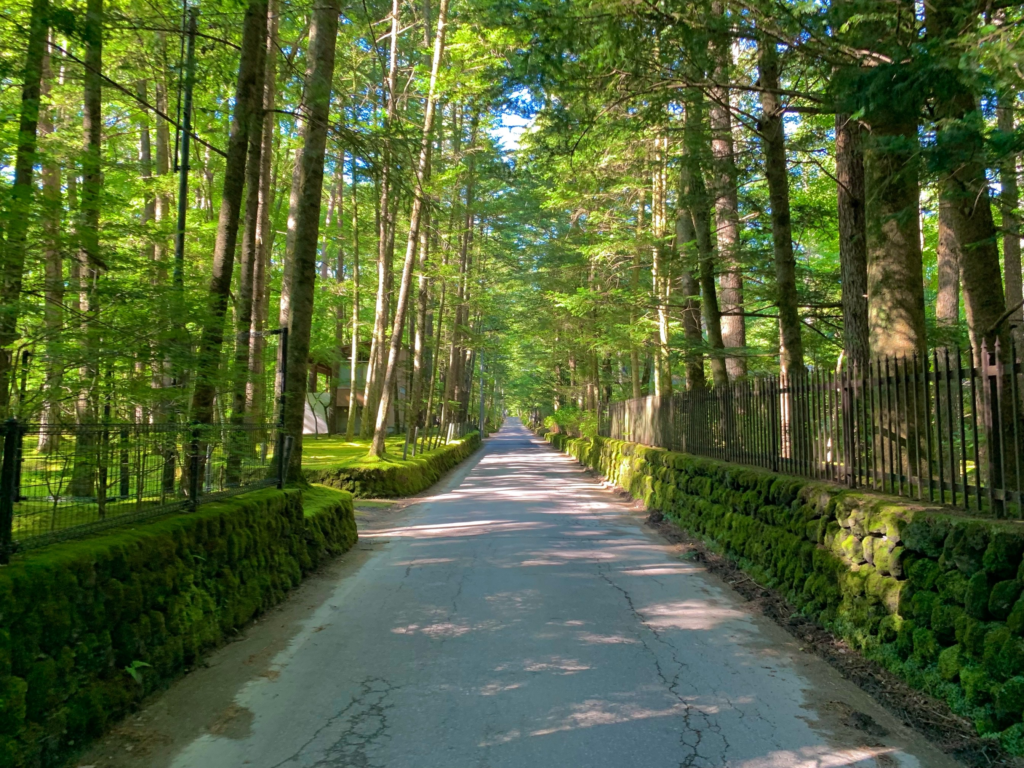
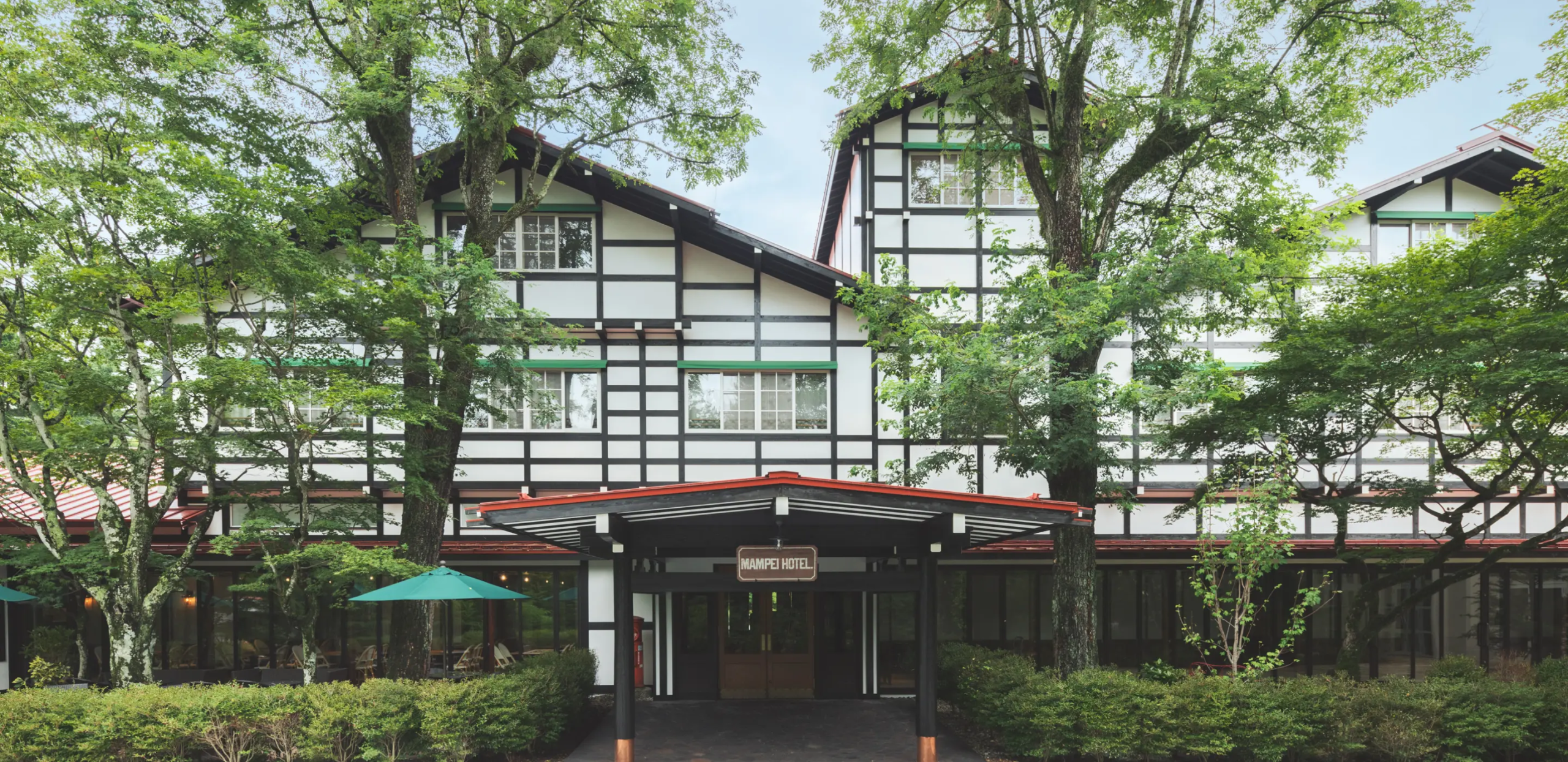
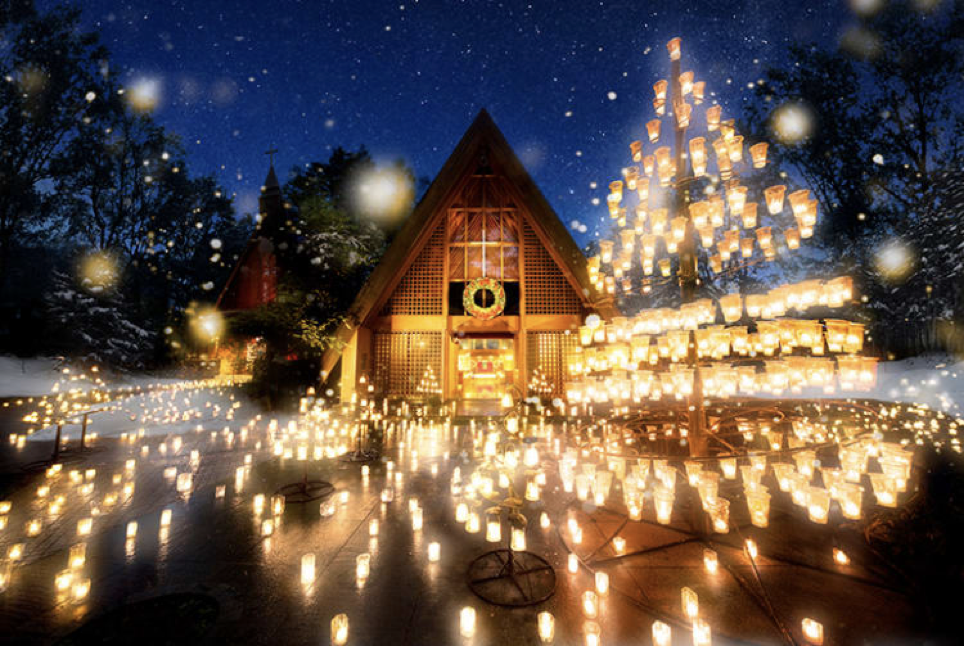
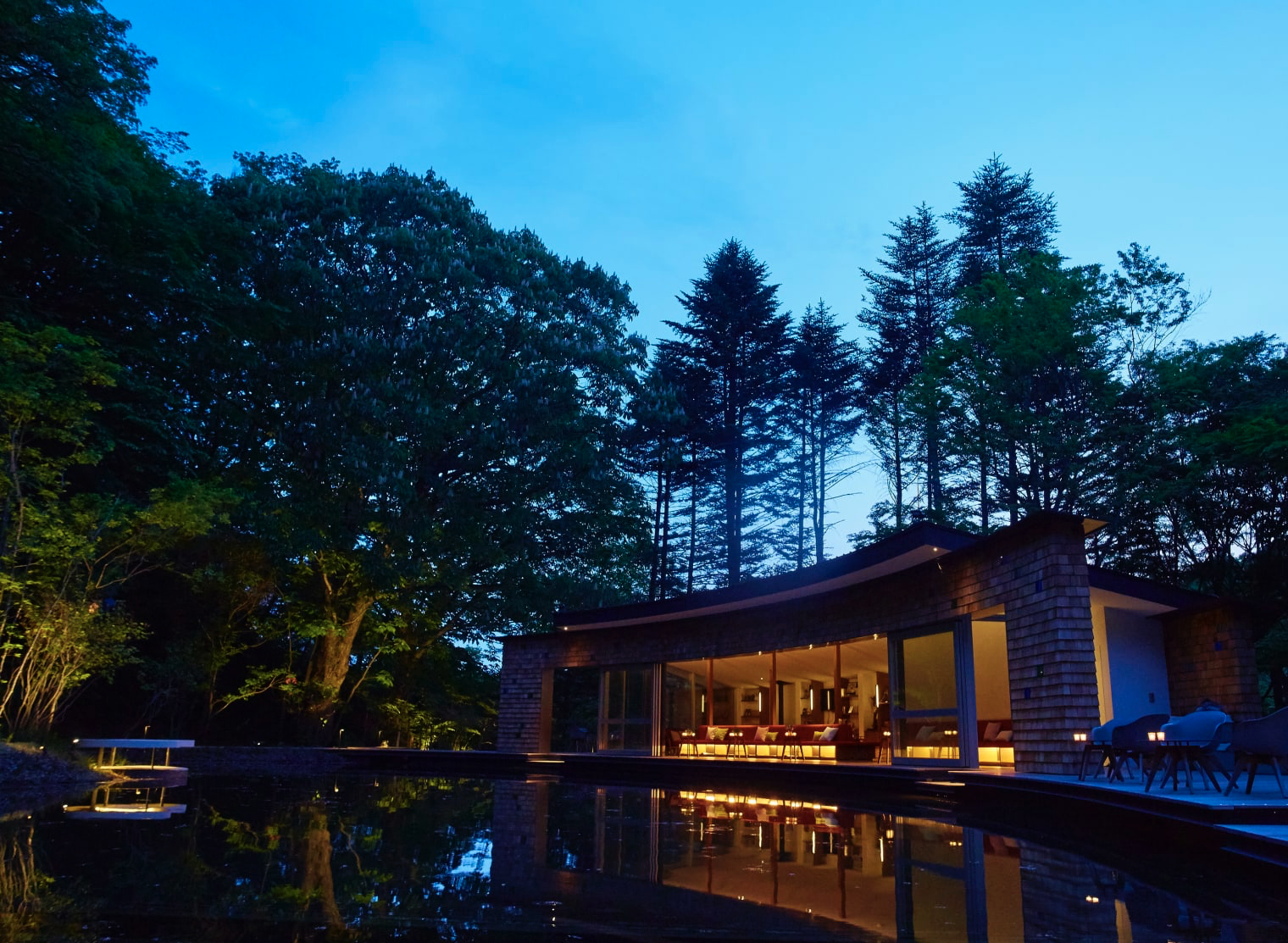
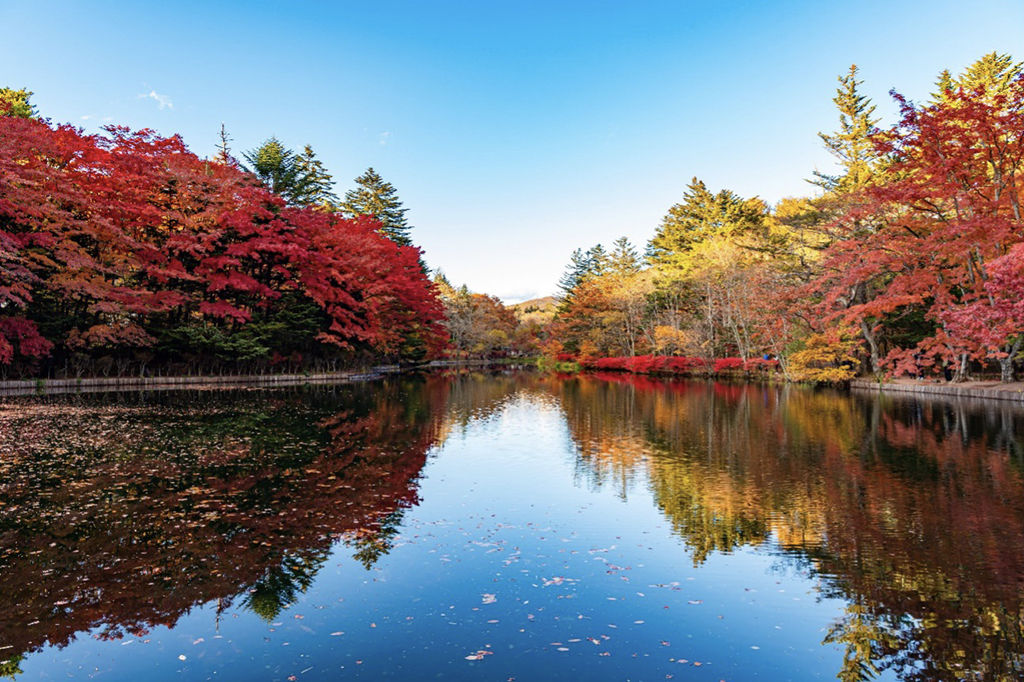
Karuizawa is best described as calm, refined, and quietly international. Located at around 1,000 meters above sea level, it is Japan’s most elegant mountain resort town and a favorite escape from Tokyo’s summer heat. The atmosphere here is relaxed and spacious, with forests, cycling paths, stylish cafés, small boutiques, and thoughtfully curated art museums. Historic churches and modern architecture coexist naturally, and the town is flat, walkable, and ideal for slow exploration. Access is especially simple thanks to direct Shinkansen connections from Tokyo with no transfers required. Karuizawa is not defined by one dramatic landmark; instead, its charm lies in its overall quality of life. It is best enjoyed over two or three days, allowing time to slow down and absorb the surroundings rather than rushing between sights.
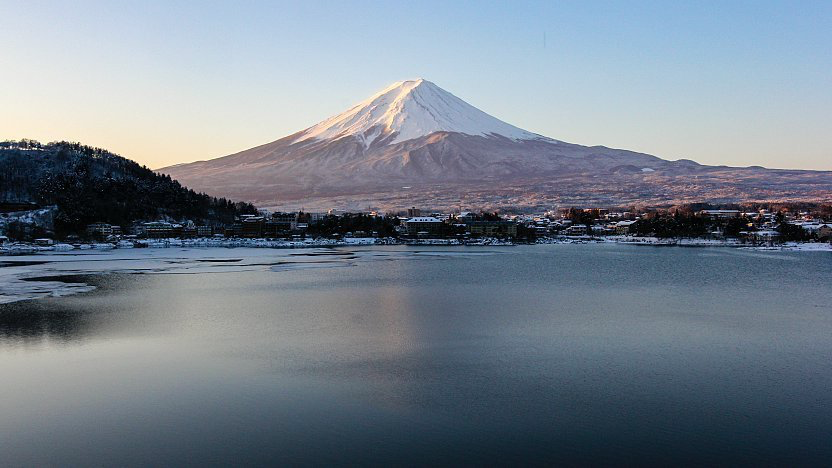
Hakone, by contrast, delivers what many imagine as a classic Japanese sightseeing experience. Located within the Fuji-Hakone-Izu National Park, it is one of Japan’s most famous hot spring areas and is particularly popular with first-time visitors. Travelers are drawn by onsen ryokan, scenic transport routes, and the chance to see Mount Fuji. The well-known Hakone Round Course combines trains, ropeways, boats, and cable cars, passing highlights such as Lake Ashi and the volcanic landscape of Owakudani. While this variety makes Hakone exciting and visually impressive, it also means more transfers, busier routes, and heavier crowds, especially on weekends and holidays. Views of Mount Fuji are weather-dependent, and when clouds roll in, the experience can feel less rewarding.
Nikko offers something entirely different again. It is a destination rooted in history, spirituality, and dramatic architecture. Home to some of Japan’s most important religious sites, including the UNESCO World Heritage–listed Toshogu Shrine, Nikko feels deeply traditional and solemn compared to Karuizawa or Hakone. Ornate shrine buildings stand within dense cedar forests, reflecting the power and legacy of the Tokugawa shogunate. Walking here often involves stairs and longer distances, and the focus is firmly on sightseeing rather than relaxation. Nikko is especially popular in autumn, when the surrounding mountains display some of the most striking fall foliage in the region.
Choosing between these destinations depends largely on what kind of experience you want. Karuizawa is ideal if you value cool weather, nature, and a peaceful atmosphere, and if you prefer cafés, cycling, and unhurried travel over crowded attractions. It is particularly well suited to couples, families, repeat visitors to Japan, and anyone who has already seen the major highlights of Tokyo or Kyoto. Hakone is the better choice if this is your first visit to Japan, if staying in an onsen ryokan is a priority, or if seeing Mount Fuji is high on your list. Nikko is the strongest option for travelers with a deep interest in Japanese history, architecture, and sacred sites, especially for those visiting during the autumn season.
In terms of overall balance, Karuizawa stands out for travelers who want simplicity, comfort, and space. While Hakone and Nikko are outstanding destinations, they tend to involve more structured sightseeing and denser crowds. Karuizawa offers something rarer: a sense of calm and refinement combined with excellent access from Tokyo. For those who value quality over quantity and prefer to experience Japan at a gentler rhythm, it is often the most satisfying choice.
Karuizawa vs Hakone vs Nikko, Karuizawa or Hakone, Nikko vs Hakone, best day trips from Tokyo, Karuizawa travel guide, Hakone onsen, Nikko World Heritage