Tsumagoi Cabbage Fields form one of Japan’s most striking rural landscapes, spreading across the highlands north of Mount Asama in wide waves of vivid green. During summer, when much of Japan is weighed down by heat and humidity, Tsumagoi stands apart as a cool-climate farming region that supplies a large share of the nation’s cabbage. For travelers staying in Karuizawa or exploring the Mount Asama area, these fields offer a rare opportunity to witness Japanese agriculture on a grand scale, framed by volcanic mountains and open skies.
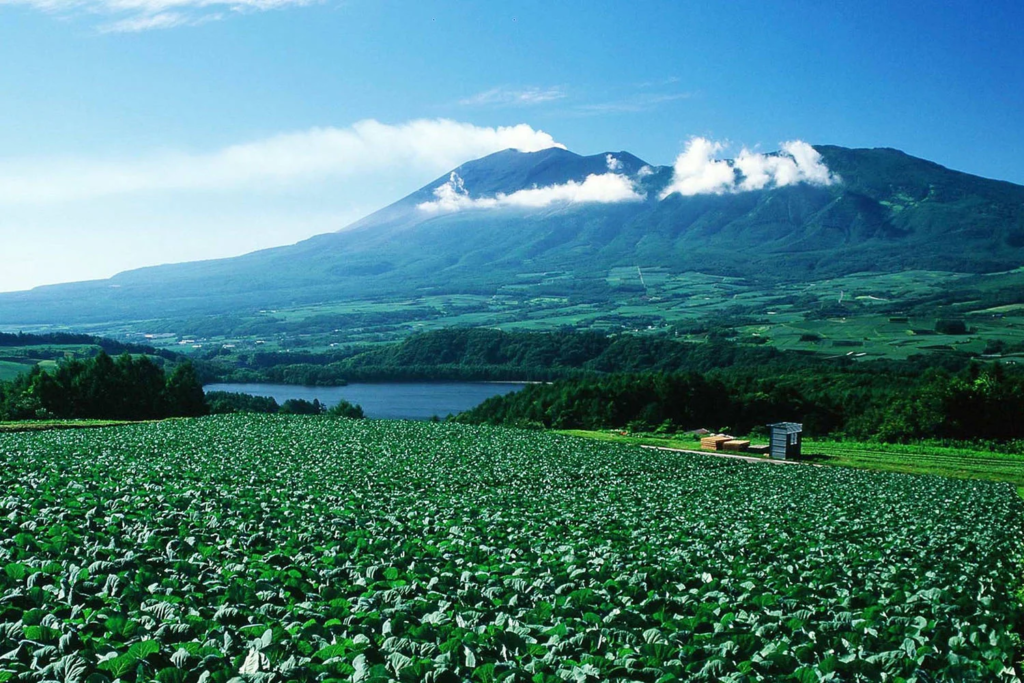
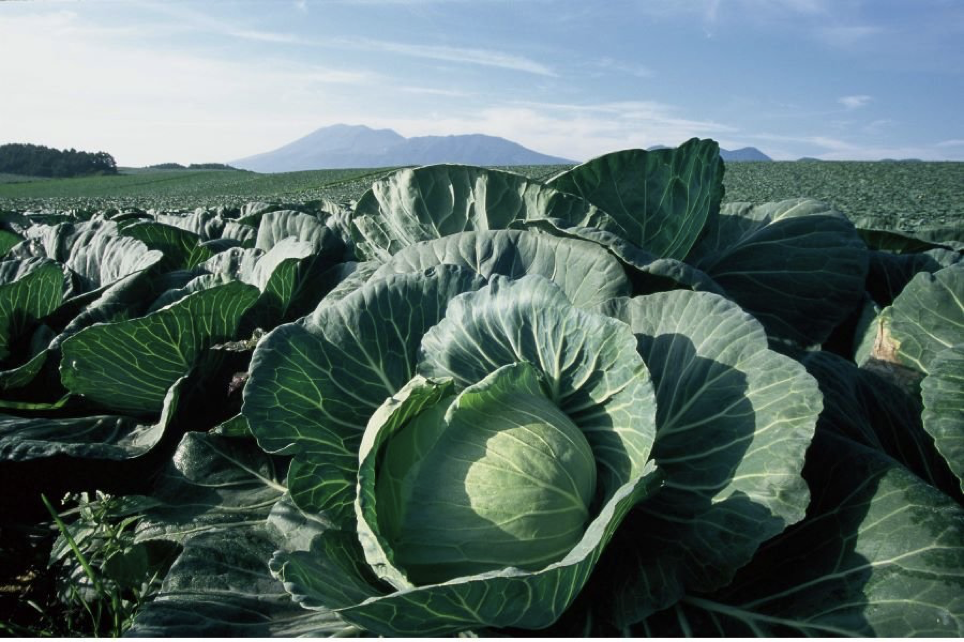
Tsumagoi Village sits at an elevation of roughly 1,000 to 1,400 meters, a height that creates ideal conditions for summer vegetable farming. Cool daytime temperatures, cold nights, clean mountain air, and well-drained volcanic soils enriched by Mount Asama allow cabbage to grow slowly and evenly. This slower growth produces firm texture, mild sweetness, and exceptional freshness, qualities that have made Tsumagoi synonymous with high-quality summer cabbage throughout Japan.
The region’s agricultural story is inseparable from its volcanic past. Centuries of eruptions from Mount Asama shaped the land, depositing ash and lava that formed soils difficult for many crops but perfectly suited to hardy vegetables like cabbage. Large-scale cultivation expanded in the twentieth century as transportation and refrigeration improved, allowing produce from this once-remote mountain area to reach major cities such as Tokyo while still fresh. What was once rugged volcanic terrain gradually became one of Japan’s most productive highland farming zones.
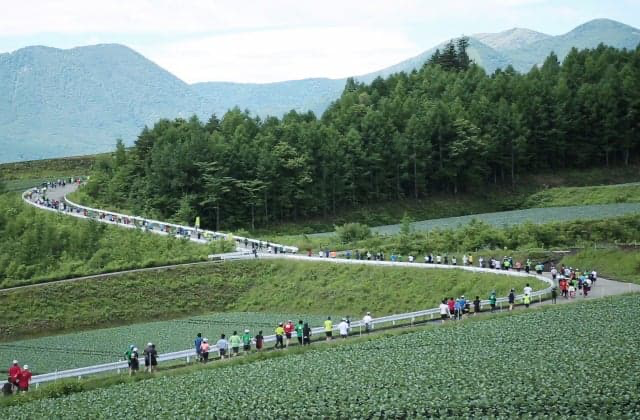
One of the most surprising aspects for visitors is the sheer scale of the landscape. Unlike the small, tightly packed fields typical of much of rural Japan, Tsumagoi’s cabbage farms stretch across broad plateaus. Long, gently curving farm roads cut through hills covered entirely in neat green rows, with barns and farmhouses set far apart. Wide skies and distant mountain ridges give the area an openness that feels closer to European or North American farmland than the traditional Japanese countryside.
The cabbage harvest season runs mainly from June through October, reaching its visual peak in July and August. During this time, tractors and harvesting machines move steadily through the fields, freshly cut cabbages are packed and shipped daily, and early mornings often begin with mist drifting low over the hills. For visitors, this period is the most dynamic and photogenic, when the landscape feels alive with motion and purpose.
The fields are best experienced by car or bicycle, especially along scenic routes that circle Mount Asama or connect Karuizawa, Tsumagoi, and Komoro. Many travelers pause at roadside viewpoints to take in the repeating patterns of green rows set against deep blue skies and volcanic silhouettes. The rhythm of the fields and the scale of the scenery make even a simple drive feel memorable.
Tsumagoi cabbage is prized not only for its appearance but also for its taste and versatility. Known for its crisp texture and gentle sweetness, it appears across Japan in everyday dishes such as tonkatsu sides, yakisoba, and salads, as well as in local restaurant menus throughout Nagano. Seeing the fields adds a tangible connection between the food on the plate and the land where it begins.
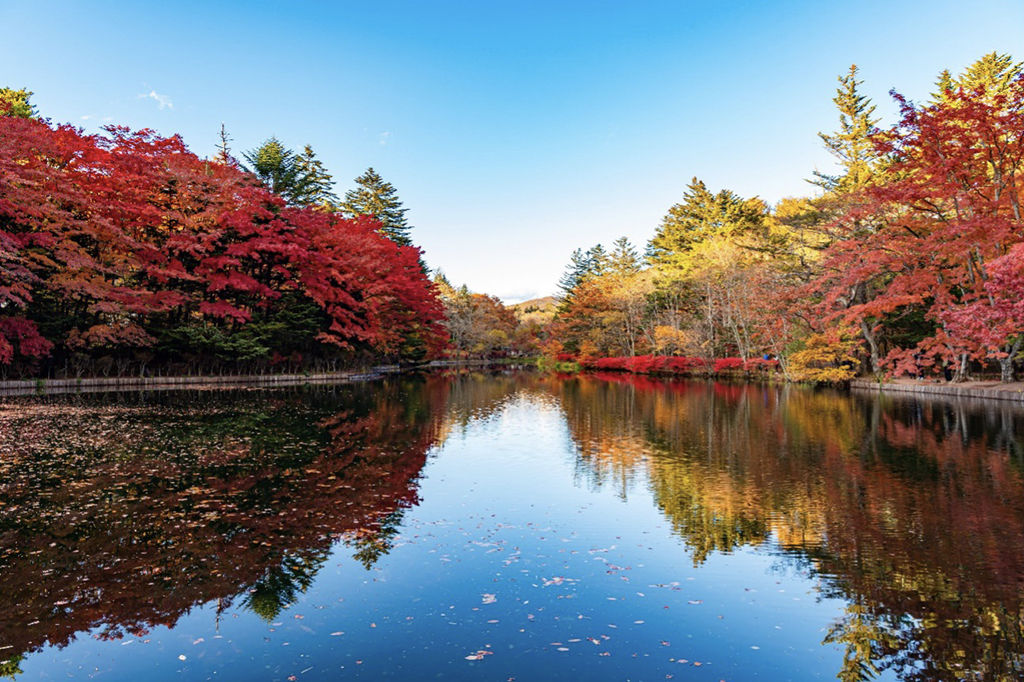
Although summer is the most famous season, the highlands change character throughout the year. In spring, dark freshly prepared soil contrasts with lingering snow on distant peaks. Summer brings the iconic sea of green. In autumn, harvesting winds down, colors soften, and the air turns crisp and clear. Winter covers the fields in snow, revealing the severity of the climate that shapes life here. Each season tells a different story about farming in the mountains.
Visiting the Tsumagoi Cabbage Fields requires little planning but some respect. July and August offer the fullest green landscapes, and traveling by car is strongly recommended due to limited public transport. Visitors should stay off cultivated fields and remember that this is a working agricultural area, not a formal park. The fields pair naturally with nearby destinations such as Mount Asama viewpoints, the Oniooshidashi Lava Field, or day trips to Karuizawa and Komoro.
The Tsumagoi cabbage fields are not a tourist attraction in the conventional sense. There are no entrances, tickets, or guided routes. Instead, they present something more genuine: a living landscape where climate, geology, and human effort intersect. For travelers who want to understand Japan beyond cities, shrines, and famous sights, these highland fields offer a powerful reminder that everyday food often comes from extraordinary places.
Tsumagoi cabbage fields, Tsumagoi Village agriculture, Mount Asama farming, Nagano countryside, summer landscapes Japan, things to do near Karuizawa, Gunma rural scenery