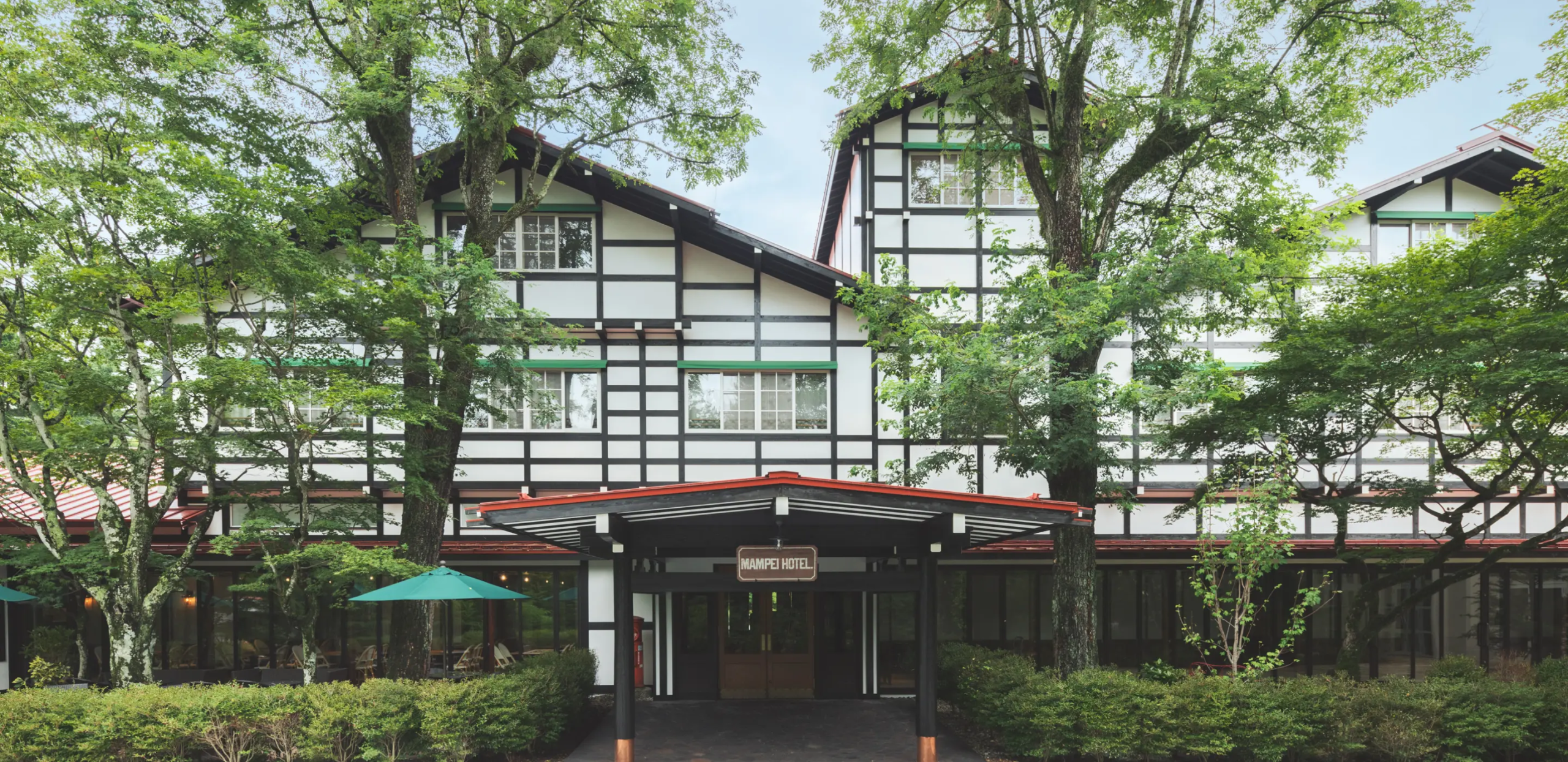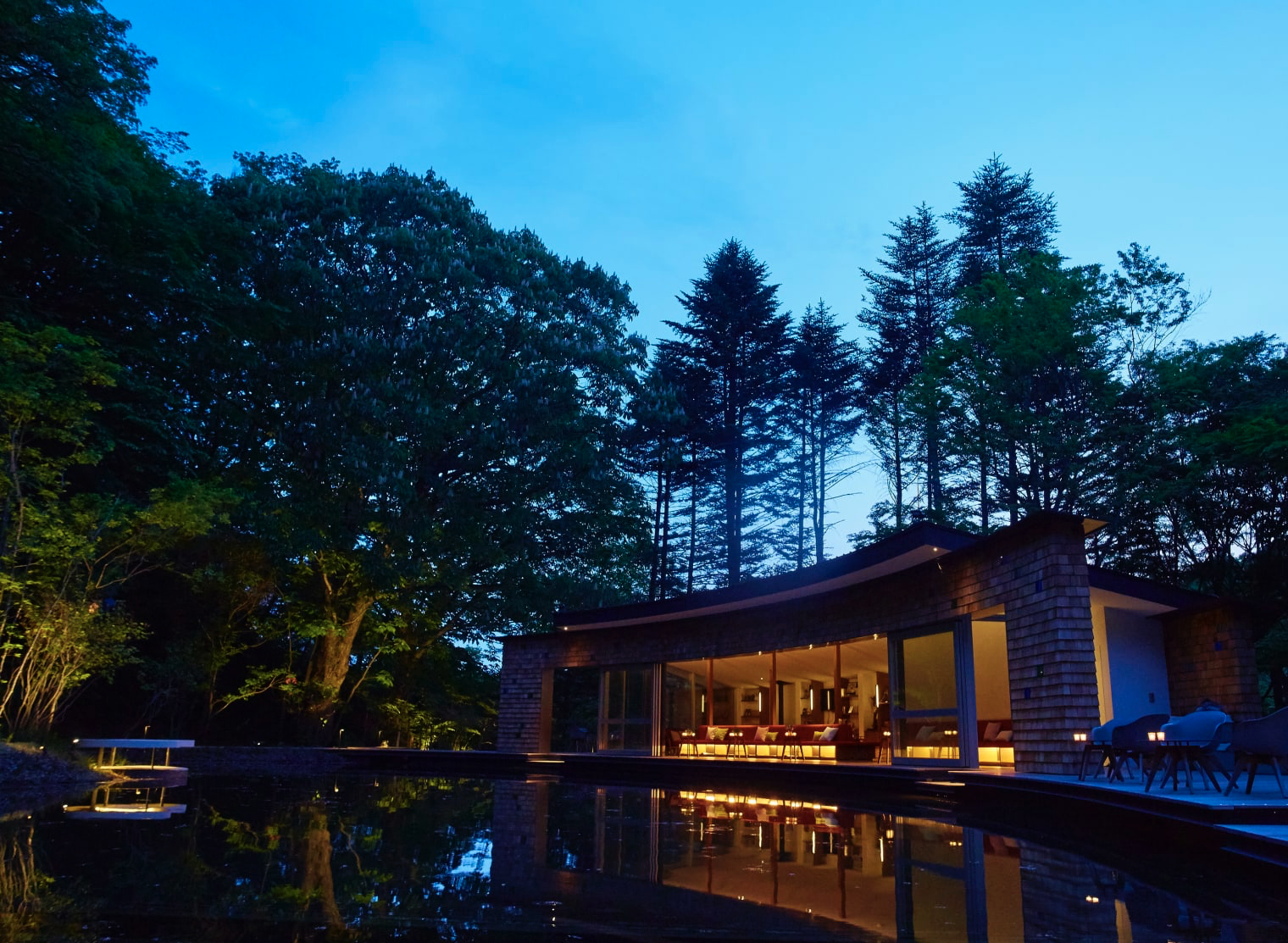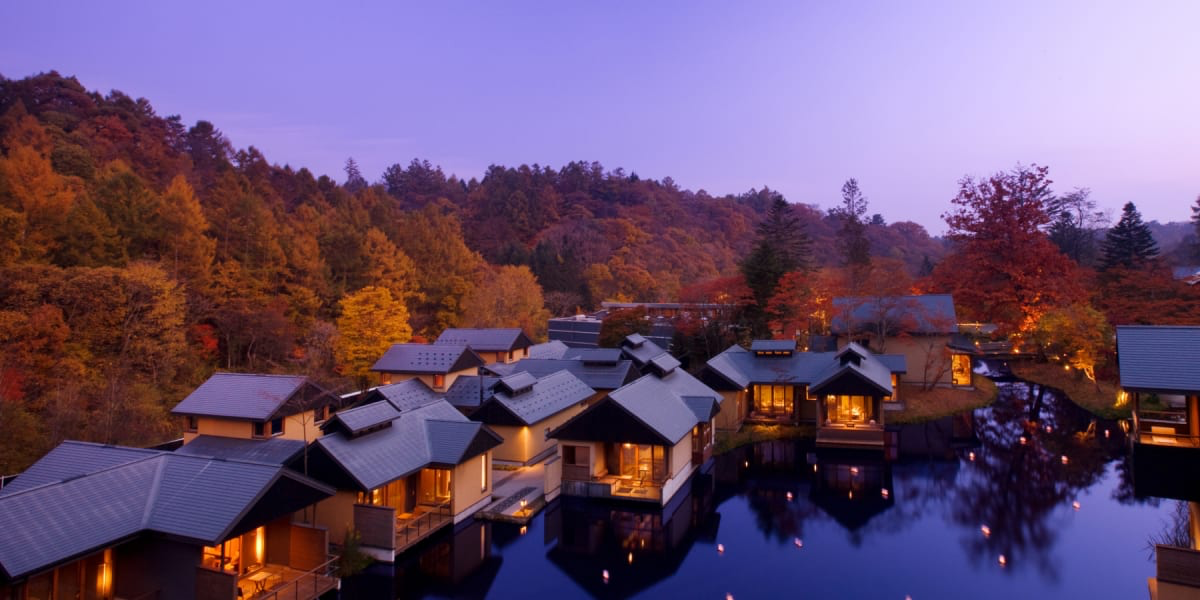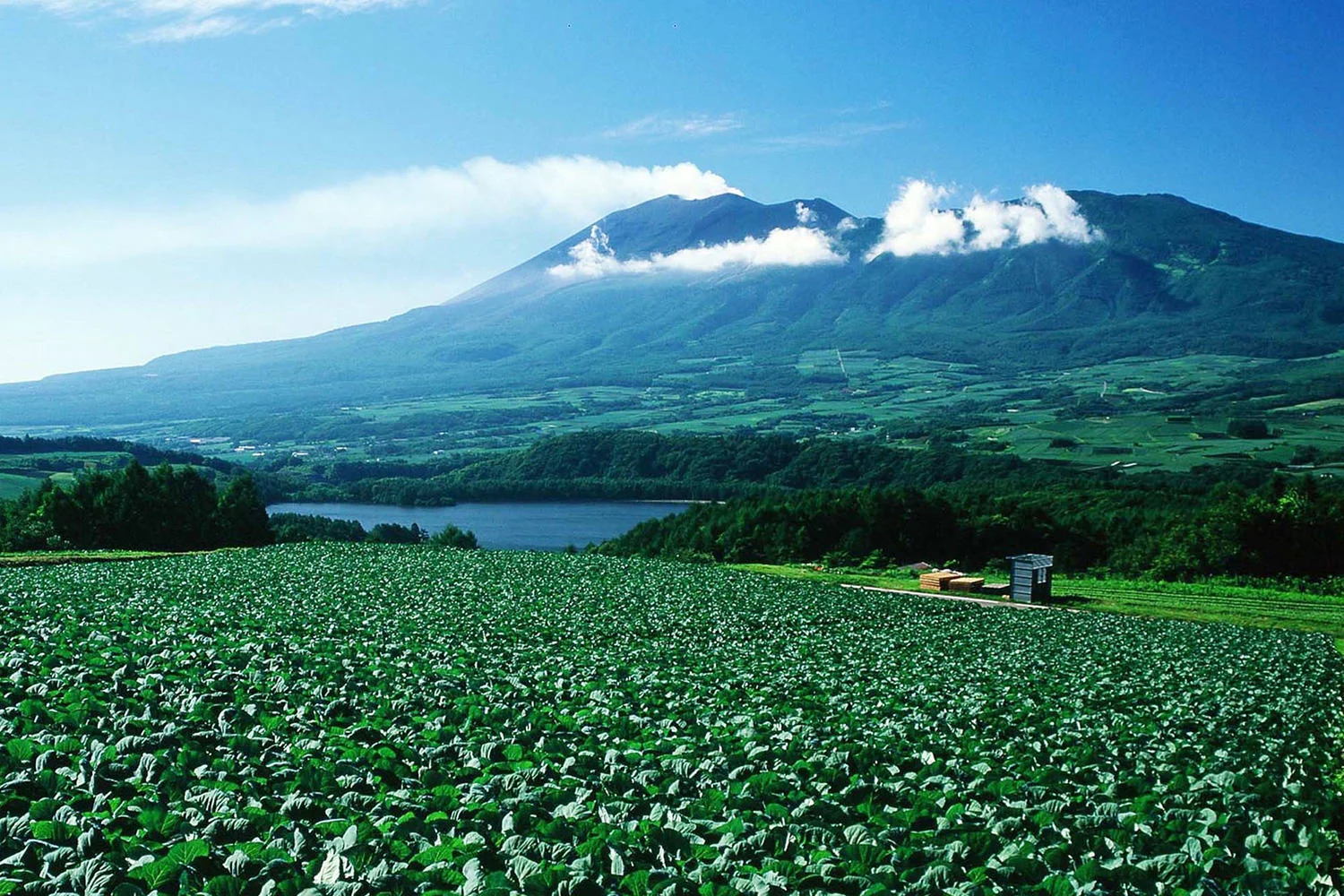
Located in the highlands of Nagano Prefecture, Karuizawa has long been regarded as one of Japan’s most refined resort towns. Since the late nineteenth century, it has attracted travelers seeking clean air, cooler temperatures, and a slower pace of life than Japan’s major cities. Even today, Karuizawa remains a place where travel feels gentle rather than rushed. Understanding how to get there, when to visit, what kind of weather to expect, and how to move around locally will help you experience the town as it was intended: calm, comfortable, and unhurried.
How to Get to Karuizawa
Despite its mountain setting, Karuizawa is remarkably easy to reach. The town sits directly on the Hokuriku Shinkansen line, which connects it efficiently with Tokyo. From Tokyo Station or Ueno Station, the journey to Karuizawa Station takes roughly one hour by high-speed train. This convenience has been a defining feature of Karuizawa since the Shinkansen opened, allowing visitors to leave the capital in the morning and be walking through forests and quiet streets before lunch.
Because the train ride is so short and frequent, Karuizawa works equally well as a weekend escape or a longer stay. Upon arrival, Karuizawa Station itself functions as a natural gateway to the town, with cafés, shops, bus terminals, taxi stands, and bicycle rentals all located just outside the ticket gates. There is no sense of distance or isolation; instead, the transition from city to resort feels seamless.
Best Seasons to Visit Karuizawa
Karuizawa is a true four-season destination, and each period of the year offers a distinct atmosphere. Spring arrives later here than in Tokyo due to the higher elevation, with cherry blossoms typically appearing from late April into early May. This season is particularly appealing for travelers who enjoy fresh greenery, clear air, and a quieter pace before the summer crowds arrive. Walking through villa districts or around ponds in spring feels calm and intimate, as the town slowly wakes from winter.
Summer is the season that originally made Karuizawa famous. While Tokyo becomes hot and humid, Karuizawa remains noticeably cooler, often by five to seven degrees. Days are warm but comfortable, and evenings frequently require a light jacket. This climate has drawn visitors for generations and continues to make Karuizawa one of Japan’s most popular summer retreats. Forest walks, cycling, and outdoor dining are especially pleasant during this time.
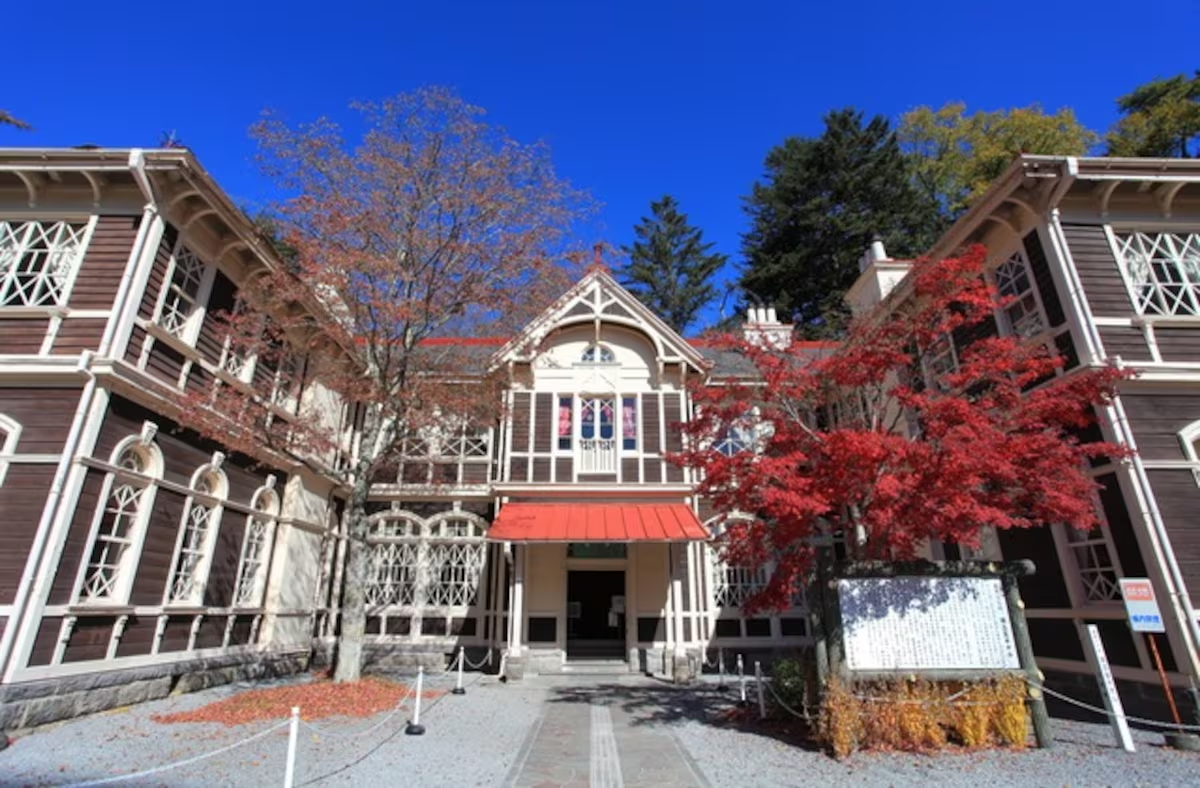
Autumn transforms Karuizawa into one of central Japan’s most beautiful foliage destinations. From October through early November, maple and birch trees turn brilliant shades of red, gold, and orange. The air becomes crisp, visibility improves, and the town feels at its most elegant. This is peak season, particularly on weekends, and accommodations tend to book quickly.
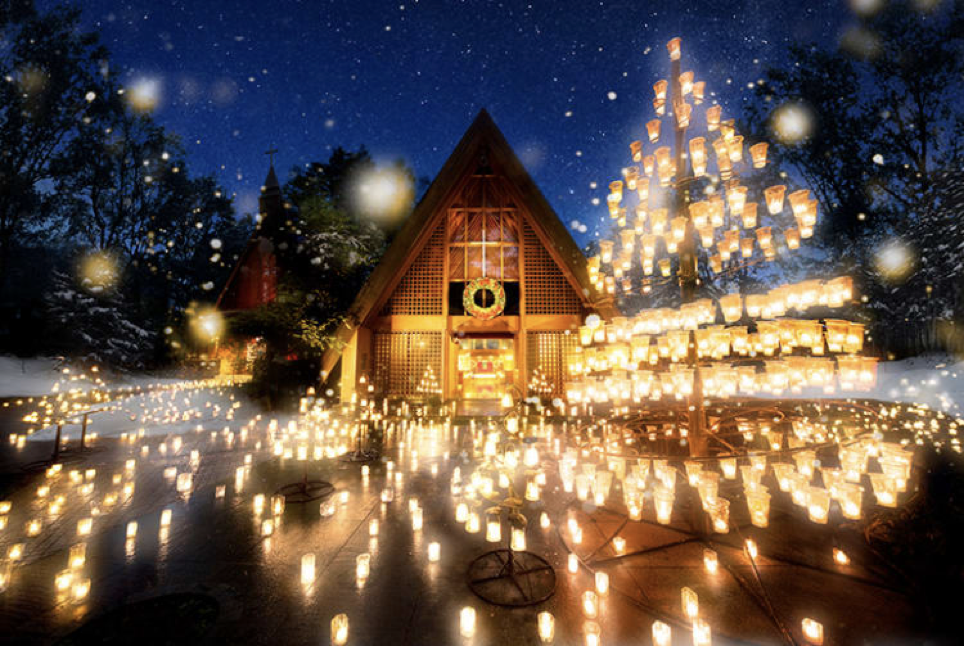
Winter brings a quieter, more contemplative side of Karuizawa. Snow lightly dusts the forests and villa rooftops, and the town takes on a hushed atmosphere that many visitors find deeply relaxing. Christmas illuminations add warmth to the cold evenings, while nearby ski areas and winter walks offer gentle seasonal activities. For travelers who prefer fewer crowds and a slower rhythm, winter can be an unexpectedly rewarding time to visit.
Weather and What to Wear
Karuizawa’s climate is one of its defining characteristics. Situated at an elevation of around one thousand meters, the town experiences cooler temperatures year-round compared to Tokyo and other lowland cities. Even in summer, mornings and evenings can feel surprisingly cool, while daytime temperatures remain comfortable rather than oppressive.
Because of this, layered clothing is essential. In spring and autumn, a light jacket or cardigan is usually sufficient, but it is wise to have an extra layer on hand, especially in the early morning or after sunset. Summer visitors often underestimate how cool Karuizawa can feel in the evening, and long sleeves or a thin jacket quickly become useful. In winter, proper cold-weather clothing is necessary, including a warm coat, scarf, gloves, and shoes suitable for icy or snowy paths.
The key to dressing well in Karuizawa is flexibility. Weather can change quickly, and the temperature difference between day and night is often greater than visitors expect.
Getting Around Karuizawa
Once in Karuizawa, transportation is straightforward and stress-free. The town is compact, but its attractions are spread across several areas, making a combination of walking and short rides ideal.
Local buses connect Karuizawa Station with major destinations such as Old Karuizawa, museum areas, and the Hoshino district. While buses are not as frequent as in large cities, they are reliable and easy to use, especially for visitors who prefer not to drive.
Cycling is one of the most enjoyable ways to explore Karuizawa, and electric bicycles are particularly popular. The town’s relatively flat terrain and well-maintained roads make cycling comfortable even for casual riders. E-bikes allow visitors to cover longer distances without effort, turning the journey itself into part of the experience rather than a means to an end.
Taxis are readily available throughout Karuizawa and are especially useful in the evening, during bad weather, or when traveling with luggage or children. Drivers are accustomed to tourists and familiar with hotels, villas, and major sightseeing spots, making taxi travel simple and convenient.
10 Things to Do in Karuizawa
1. Shiraito Waterfall (白糸の滝)
Hidden in the northern forest, Shiraito Waterfall is one of Karuizawa’s most photogenic spots. The 70-meter-wide curtain of water flows gently from underground springs, creating a soft white veil that inspired its name — “Shiraito” means “white threads.”
Tip:
Visit early morning or late afternoon for misty light and fewer crowds.
Access: 25 min by car or bus from Karuizawa Station.
2. Karuizawa Wild Bird Sanctuary & Picchio Eco-Tours
This protected forest area is home to over 80 species of birds, including Japanese woodpeckers and owls. Join a guided eco-tour with Picchio, Japan’s leading wildlife program, to learn about forest conservation — or just enjoy a peaceful walk surrounded by nature.
Perfect for: Families and nature lovers
Open: Year-round (guided walks available in English)
3. Old Karuizawa Ginza Street
Step into the nostalgic heart of Karuizawa. This charming street is lined with vintage cafés, jam shops, chocolate boutiques, and cozy bakeries. Try local favorites like apple pie at Mikado Coffee or handmade jam from Sawaya.
Don’t miss:
- St. Paul’s Catholic Church (built 1935)
- Shaw Memorial Church
- Karuizawa Union Church
Vibe: European charm meets Japanese hospitality.
4. Hiroshi Senju Museum
Designed by renowned architect Ryue Nishizawa, this museum blends seamlessly with nature. Inside, the works of artist Hiroshi Senju, known for his breathtaking waterfall paintings, echo the sound and spirit of Karuizawa’s landscapes.
Why visit: It’s not just art — it’s an experience of light, sound, and silence.
5. Stone Church (Uchimura Kanzo Memorial)
One of Karuizawa’s architectural icons, this church is made entirely of curved stone and glass. Sunlight filters through the arches, creating a mystical, organic space that celebrates harmony with nature.
Fun fact: Many couples choose to marry here — it’s one of Japan’s most romantic wedding venues.
6. Hoshino Onsen “Tomi no Yu”
Relax like a local at Karuizawa’s most famous hot spring. Set within a quiet forest, Tomi no Yu offers indoor and outdoor baths fed by natural mineral water. After your soak, enjoy soba and local sake at Sonmin Shokudo nearby.
Pro tip: Visit in winter when snowflakes fall into the open-air bath — pure magic.
7. Karuizawa Winery & Craft Beer Tours
Karuizawa’s cool climate is ideal for wine grapes and hops.
Visit Karuizawa Brewery for a tasting flight, or try Musée du Vin Karuizawa to sample Nagano wines paired with local cheese. Some vineyards even offer picnic experiences in summer.
Recommended for: Foodies and couples.
8. Karuizawa Prince Shopping Plaza & Ski Resort
A one-stop destination for both shopping and skiing!
In summer, it’s an open-air outlet mall surrounded by green lawns and lakes. In winter, the slopes next door transform into one of Japan’s most beginner-friendly ski resorts.
Highlight: Enjoy outlet shopping in the morning and skiing in the afternoon — all within walking distance from the Shinkansen station.
9. Cycling & Outdoor Adventures
Rent an e-bike and explore Karuizawa’s quiet roads — from the Usui Pass Observation Deck to Kumoba Pond and beyond.
You’ll pass forests, villas, and local cafés that you’d never find by car.
Suggested route:
Karuizawa Station → Kumoba Pond → Old Ginza → Usui Pass → Stone Church → Hoshino Onsen (approx. 20 km round trip)
10. Karuizawa Taliesin Park
A lakeside park combining nature, art, and relaxation. Visit the Karuizawa Picture Book Museum, rent a paddle boat, or simply sit by the water with a coffee. It’s also home to the Paulet Museum, dedicated to British missionary heritage.
Best time: Spring and autumn for reflections of cherry blossoms and colored leaves.
Final Thoughts
Karuizawa rewards travelers who approach it thoughtfully. Its appeal lies not in ticking off attractions but in moving slowly through forests, neighborhoods, and quiet streets while enjoying the climate and atmosphere. By understanding how to reach the town, choosing the right season, dressing appropriately, and using local transportation wisely, visitors can experience Karuizawa as generations before them have: as a place of retreat, reflection, and understated elegance.
travel tips for Karuizawa, Karuizawa travel guide, visiting Karuizawa, Karuizawa practical guide