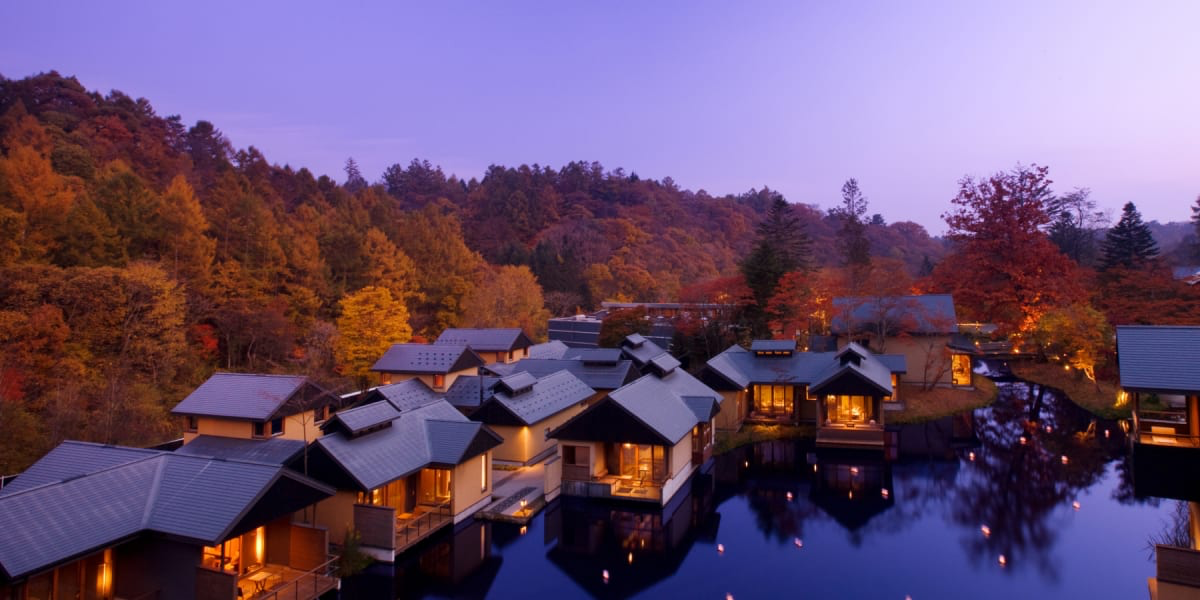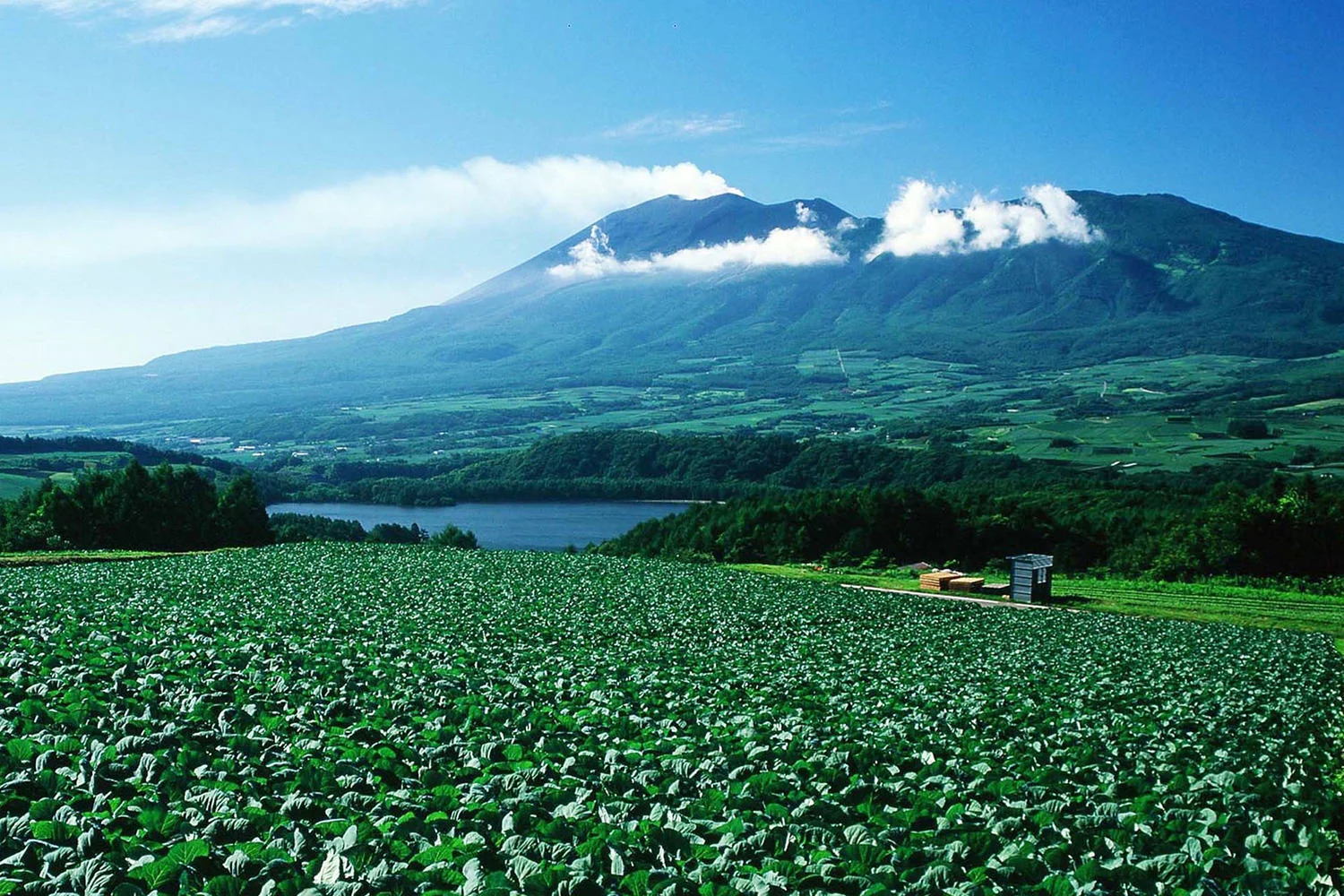
Mampei Hotel is more than a historic hotel; it is the place where Karuizawa’s identity as Japan’s first refined mountain resort truly took shape. Since the late nineteenth century, this elegant wooden hotel has welcomed foreign diplomats, writers, musicians, and Japanese cultural leaders, quietly shaping the town’s reputation as a place of retreat, creativity, and calm.
Origins: A Western Hotel in a Japanese Highland
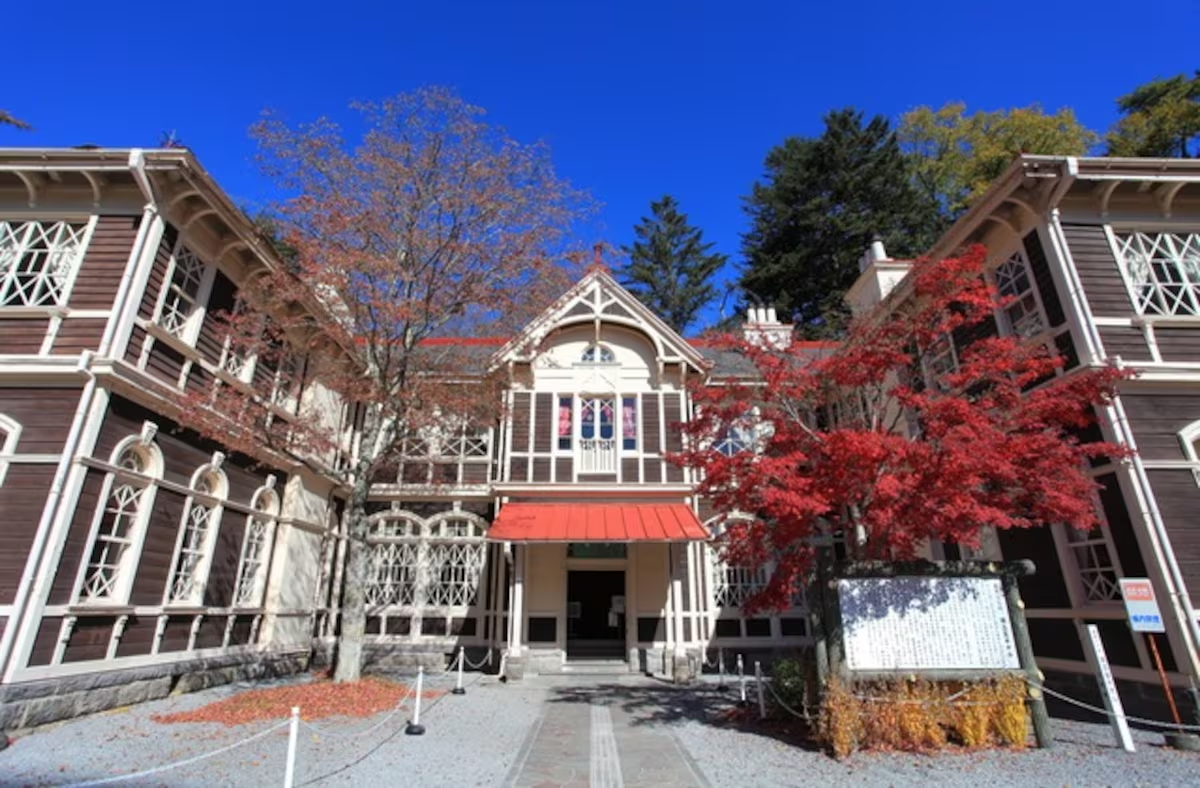
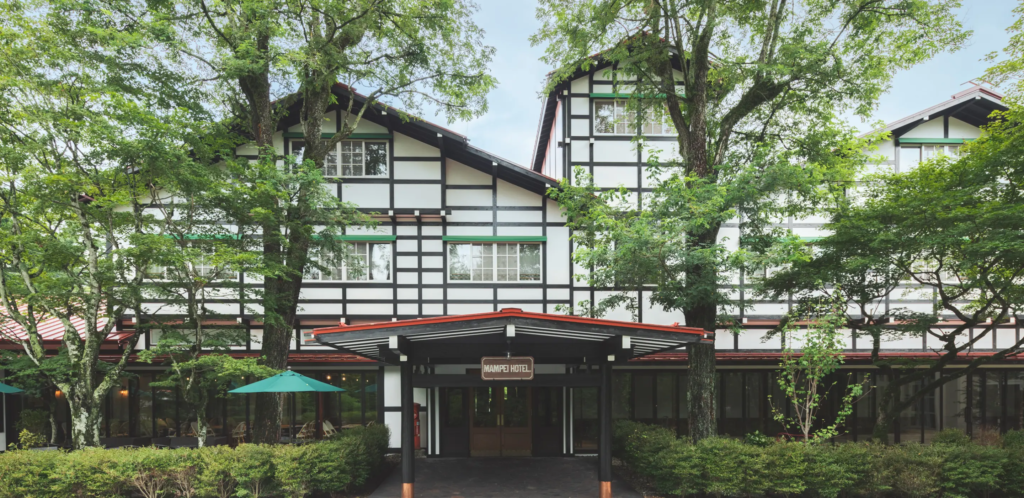
Mampei Hotel traces its roots to 1894, when it opened during a period in which Karuizawa was beginning to attract foreign residents escaping Tokyo’s humid summers. At that time, Western-style accommodation was still rare in Japan, especially outside major cities. Mampei Hotel filled that gap by offering European-inspired hospitality adapted to the Japanese mountain climate.
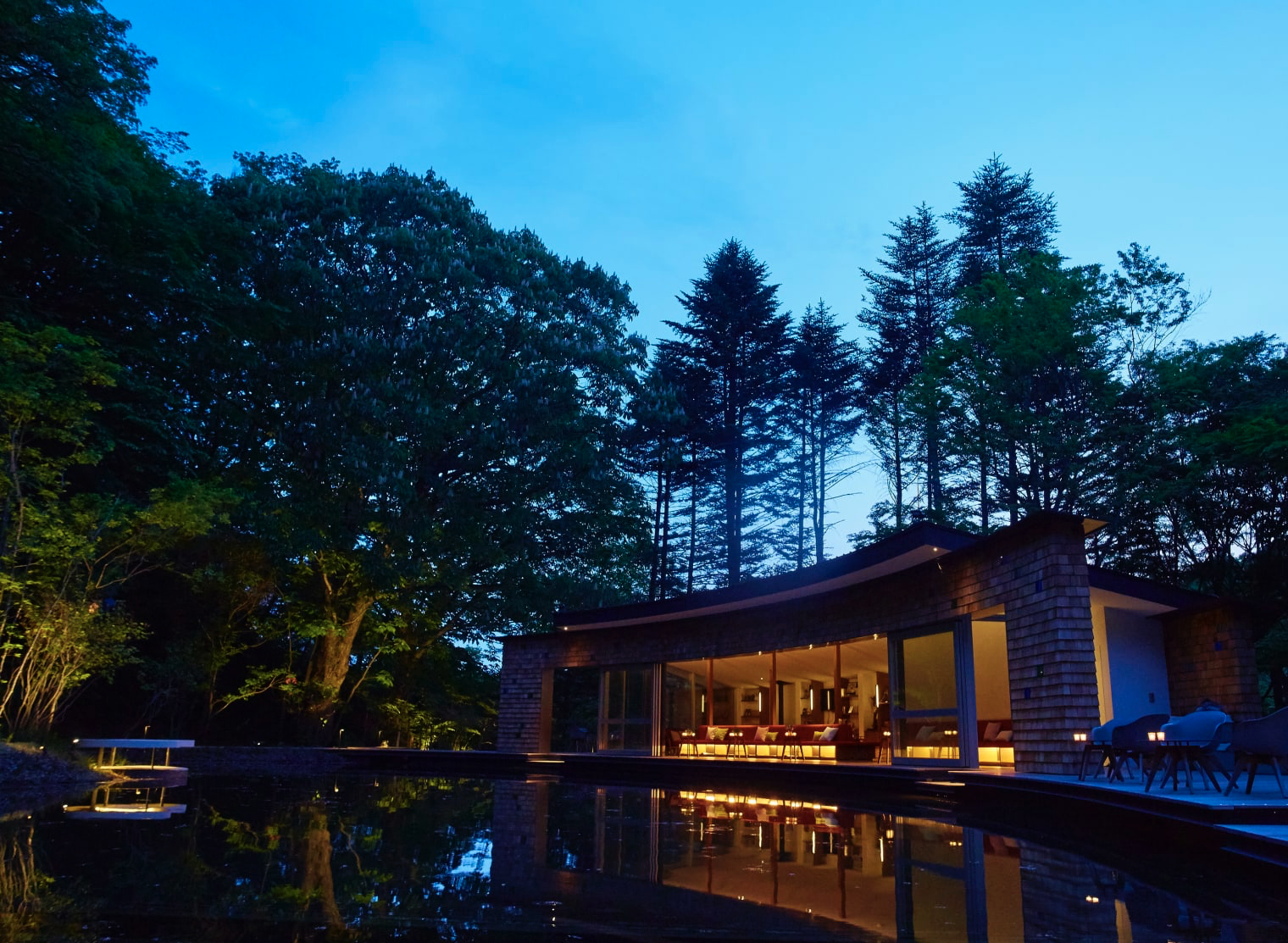
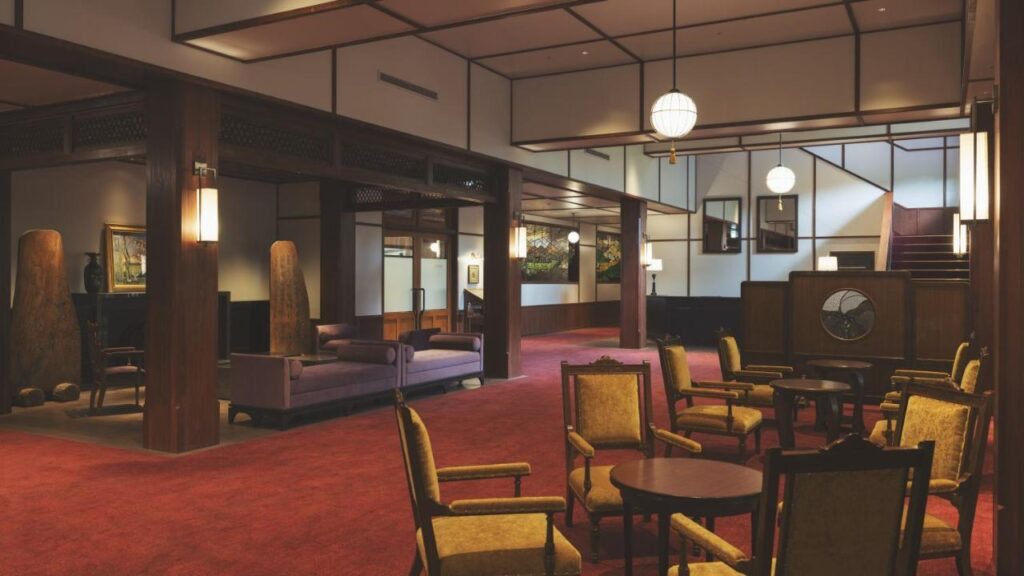
Built primarily of wood and surrounded by forest, the hotel was designed to feel comfortable rather than imposing. Verandas, fireplaces, high ceilings, and large windows allowed guests to enjoy fresh air and cool evenings, while the surrounding pine trees created privacy and silence. This approach—living lightly in nature rather than dominating it—became a defining principle of Karuizawa itself.
A Gathering Place for Culture and Diplomacy
Throughout the twentieth century, Mampei Hotel became a favored base for foreign diplomats, missionaries, educators, and writers. It also attracted Japanese intellectuals and artists who were drawn to the international atmosphere and relaxed pace of life.
Among the hotel’s most famous guests was John Lennon, who stayed here with Yoko Ono during their travels in Japan in the 1970s. Lennon’s stay gave rise to one of Mampei Hotel’s most enduring stories, linking the hotel to modern pop culture in an unexpected way.
The hotel also welcomed politicians, authors, and cultural figures from both Japan and abroad, making it a quiet crossroads where ideas, languages, and artistic sensibilities mixed naturally.
The Famous Dish: John Lennon’s “Napolitan”
One of Mampei Hotel’s most beloved legends centers on its restaurant menu. During his stay, John Lennon reportedly enjoyed a simple spaghetti dish so much that it became associated with him personally. The dish, known as “Napolitan,” is a classic Japanese-style pasta made with tomato sauce, vegetables, and sausage or bacon.
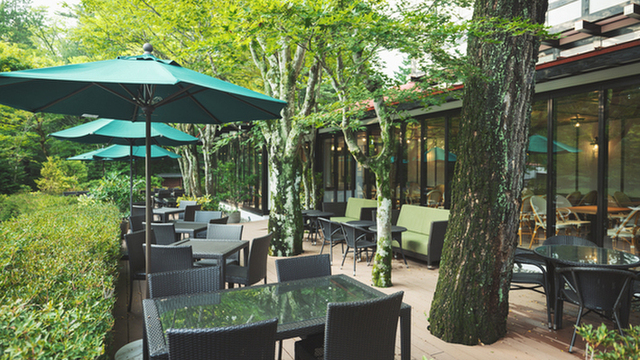
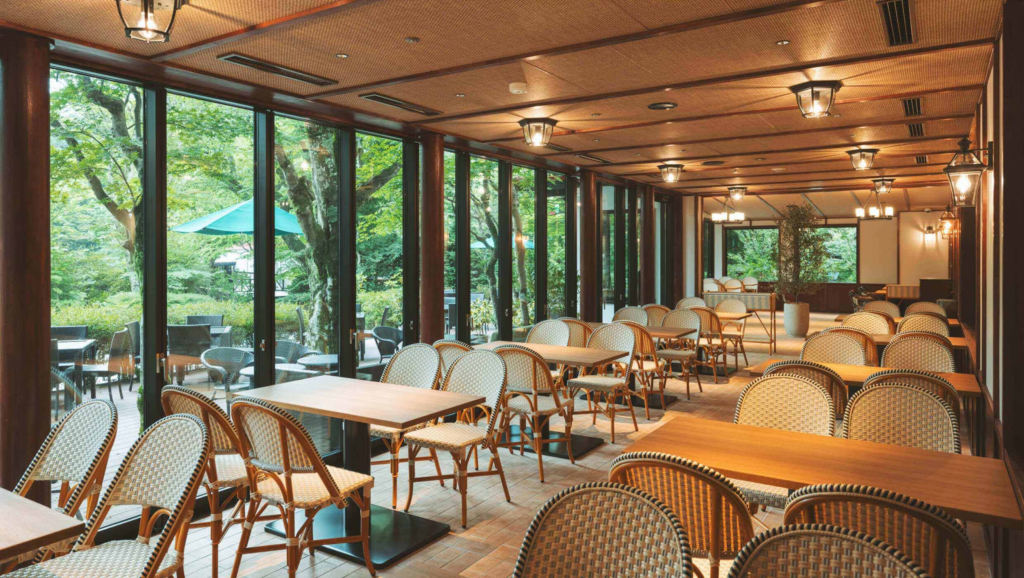
While Napolitan itself was already popular in Japan, Mampei Hotel’s version gained special fame because of Lennon’s fondness for it. Today, many visitors order the dish not only for its comforting flavor, but also as a small way to connect with the hotel’s layered history. Eating it in the same dining room or café terrace feels like participating in a quiet ritual shared across generations of guests.
Architecture and Atmosphere
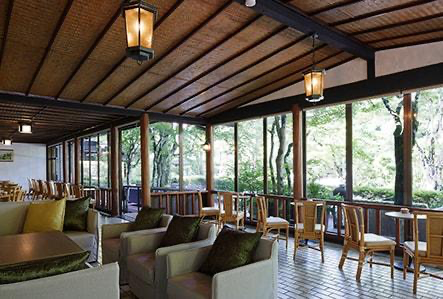
Walking through Mampei Hotel feels like stepping into another era. The building preserves its early twentieth-century character, with polished wooden floors, classic furnishings, and soft, natural light. Public spaces are designed for lingering rather than movement—armchairs near windows, long corridors that slow the pace, and lounges where conversation feels unforced.
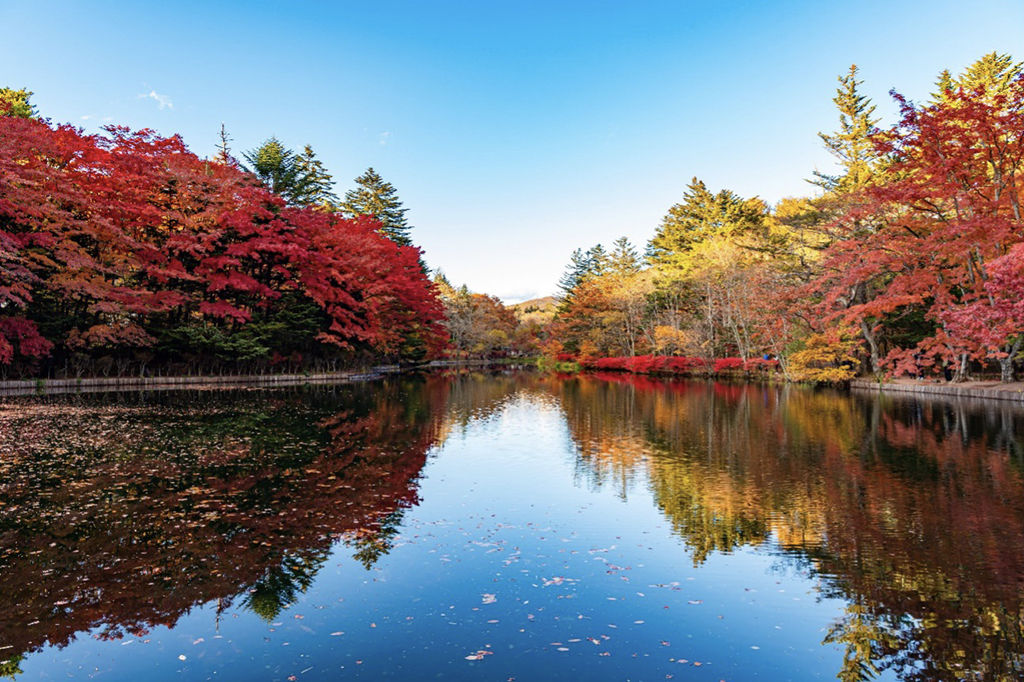
Despite its age, the hotel never feels like a museum. It remains a living place, where guests read, write, drink coffee, and watch the seasons change outside. Autumn foliage, summer greenery, and winter snow each transform the view from the same windows, reinforcing the sense that time here moves differently.
Mampei Hotel and Karuizawa’s Identity
Mampei Hotel played a crucial role in defining Karuizawa as a resort for rest and reflection rather than spectacle. Long before ski resorts and outlet malls appeared, this hotel demonstrated that comfort, silence, and international openness could coexist in a Japanese setting.
Its influence can still be felt today in Karuizawa’s low-rise architecture, forest preservation, and emphasis on slow travel. Many later hotels and villas followed the model Mampei established: separate buildings, close contact with nature, and hospitality focused on atmosphere rather than excess.
Why Mampei Hotel Still Matters
Mampei Hotel endures because it offers something increasingly rare. It is not about luxury as display, but about continuity. Guests come here to experience the same calm that attracted visitors more than a century ago—to drink coffee on a veranda, to walk among trees, to sit by a window and do nothing in particular.
For travelers who want to understand Karuizawa beyond sightseeing lists, Mampei Hotel is essential. It tells the story of how a quiet mountain town became Japan’s most elegant retreat, and how hospitality, culture, and landscape came together to create a place where staying still is the greatest pleasure of all.
Mampei Hotel Karuizawa, historic hotel Karuizawa, Mampei Hotel history, Karuizawa luxury hotel