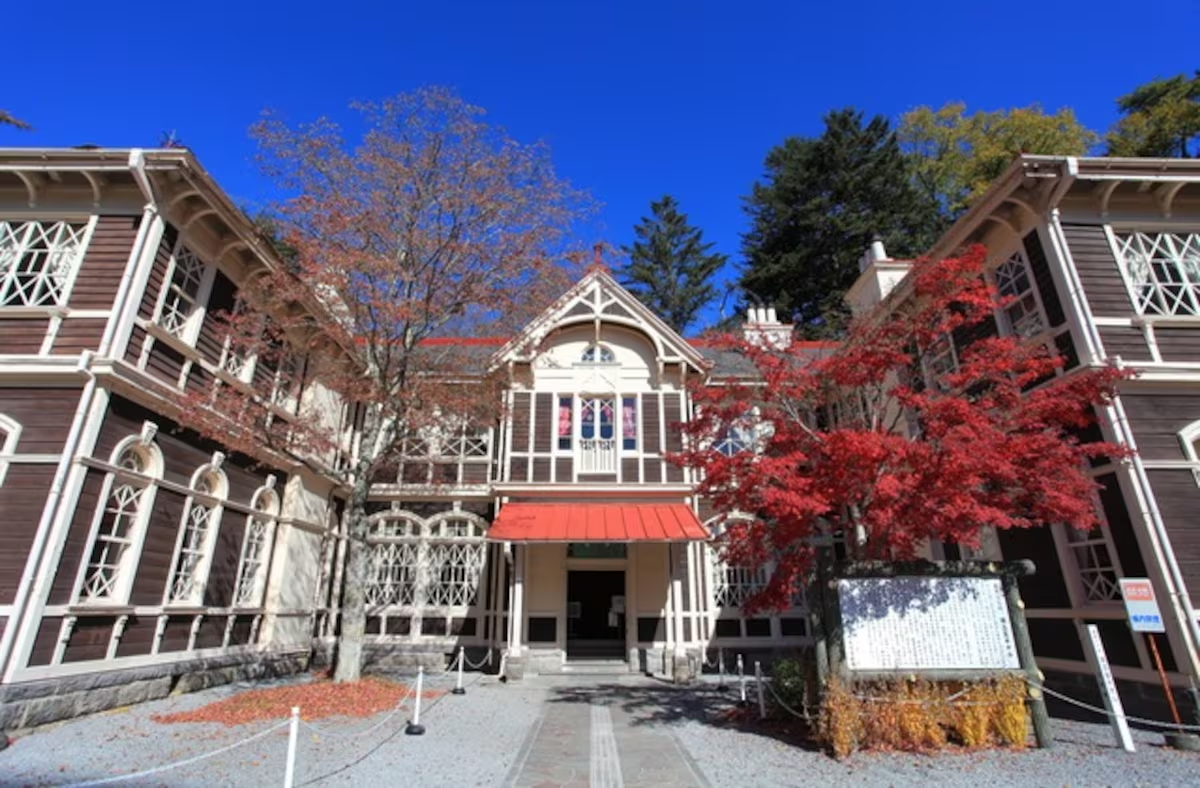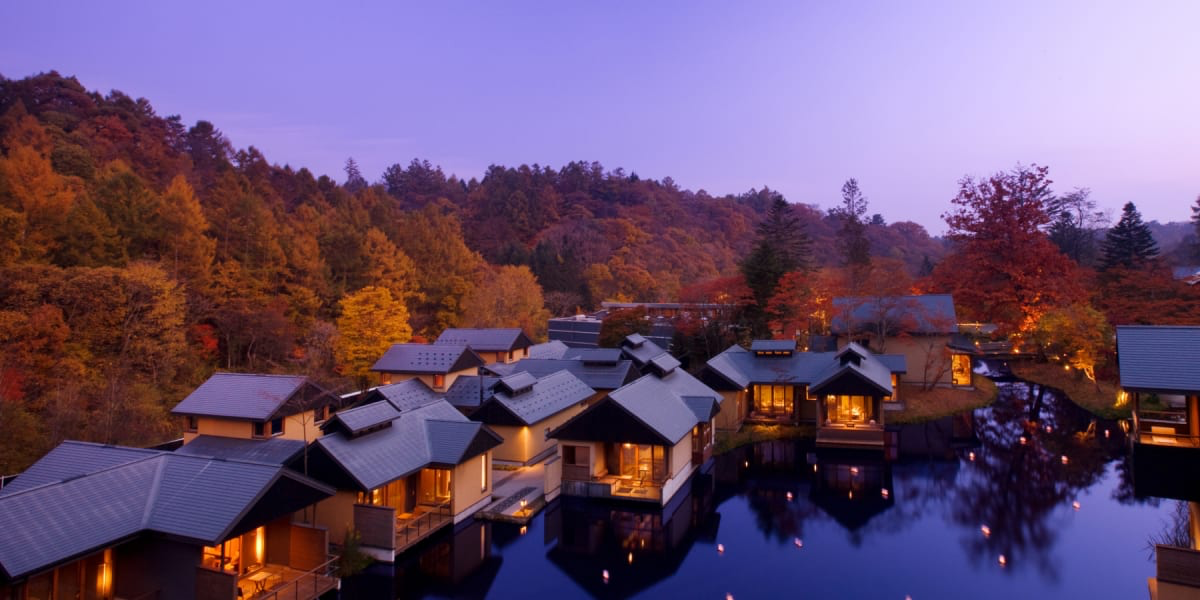
Asama Volcano Museum offers a clear and engaging introduction to the volcanic forces that have shaped the landscapes, culture, and history of Nagano and the surrounding regions. Located near the base of Mount Asama in Komoro City, the museum focuses on one of Japan’s most active volcanoes and explains its influence in a way that feels immediate and relevant to the scenery visitors see outside. Rather than presenting geology as an abstract science, the museum connects volcanic processes directly to lava fields, forests, rivers, and mountain trails, making the experience accessible to visitors of all ages.
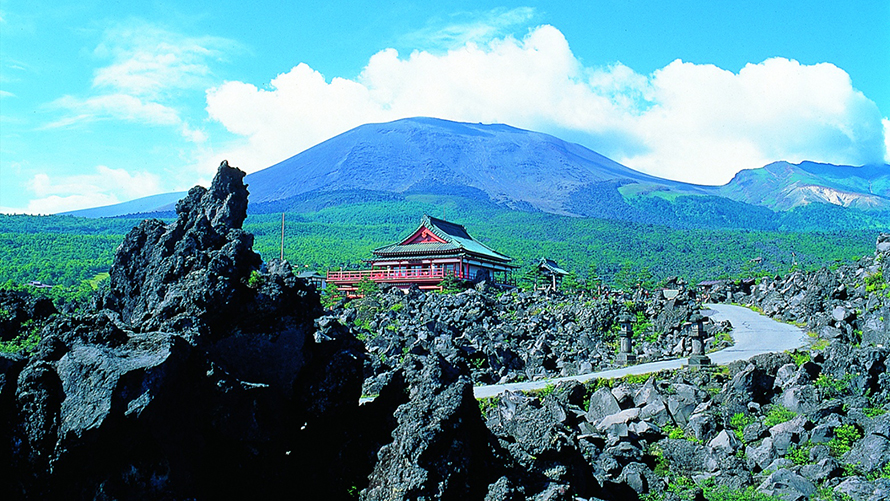
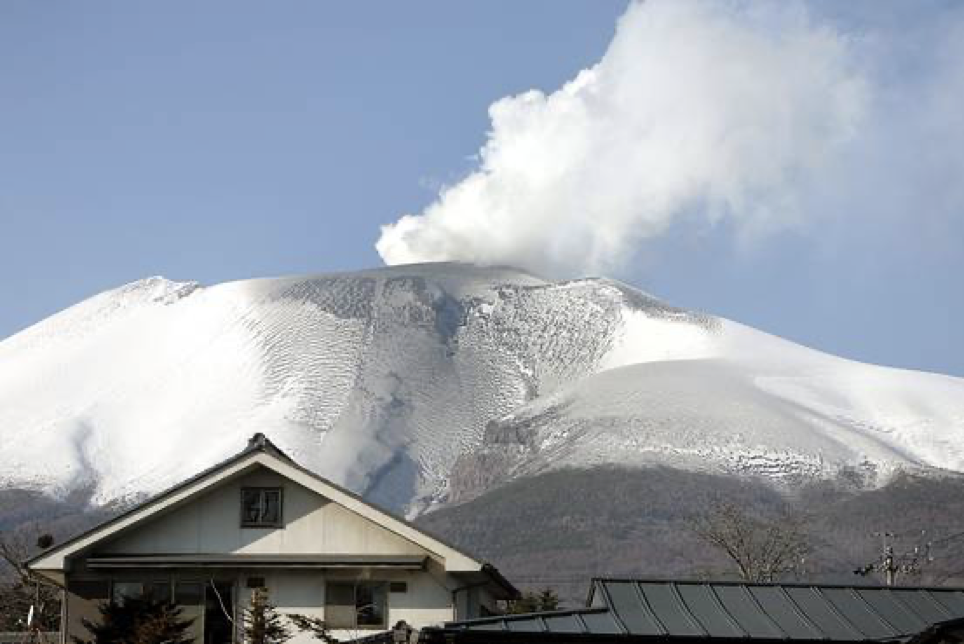
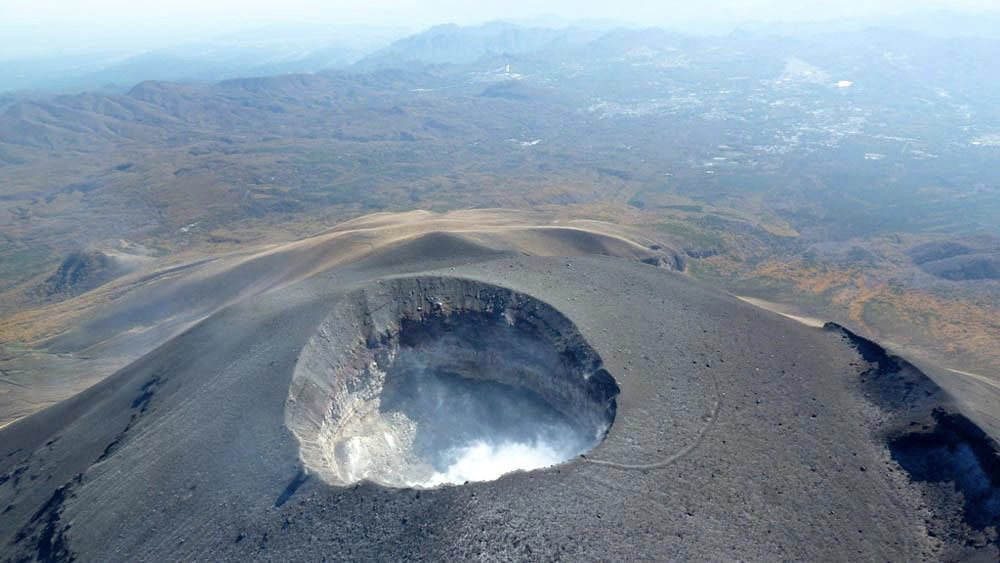
Mount Asama is not a distant or dormant peak but a living volcano whose activity continues to shape central Nagano and neighboring Gunma Prefecture. Over centuries, eruptions have formed the region’s terrain, influenced water systems and forests, and left a deep mark on local history. One of the most significant events was the Tenmei eruption of 1783, which dramatically altered settlements, farmland, and river systems and remains one of the most destructive volcanic disasters of the Edo period. Understanding Mount Asama helps explain why Karuizawa enjoys a cool summer climate, why towns and ruins are located where they are, and why dramatic lava landscapes such as Oniooshidashi still dominate parts of the region. The museum turns these connections into something visitors can easily grasp.
Inside the museum, the exhibitions begin with the fundamentals of volcanic science. Clear models and diagrams explain how volcanoes form through tectonic activity, how magma moves underground, and why different types of eruptions occur. These explanations balance scientific accuracy with visual clarity, making them suitable for both children and adults. A major section of the museum is devoted to Mount Asama’s eruption history, with a particular emphasis on the 1783 Tenmei eruption. Detailed timelines, geological samples, and historical accounts illustrate not only what happened beneath the earth but also how people experienced and recorded these events.
Rock, lava, and mineral displays allow visitors to see and sometimes touch the physical results of volcanic activity. Solidified lava, ash layers, and heat-formed minerals demonstrate the variety of textures and colors created by underground forces. Magnified displays reveal details invisible to the naked eye, bringing the hidden complexity of volcanic materials into focus. Throughout the museum, multimedia and interactive stations help translate complex ideas into intuitive experiences. Simulation tables, eruption videos, seismic monitoring graphics, and hands-on models show how pressure builds inside a volcano and how gas and magma are released, making the science memorable rather than overwhelming.
Education is a central role of the Asama Volcano Museum. Seasonal workshops, school programs, and guided talks are often held on site, deepening visitors’ understanding of geology and natural hazards. These programs are especially popular with families and students, but they also appeal to curious travelers who want to look beyond the surface of the landscape.
The experience continues outside the museum itself. From the grounds, visitors can look toward Mount Asama and easily connect what they have learned indoors with the real terrain beyond the windows. Nearby lava fields such as Oniooshidashi, along with trails and observation points referenced in the exhibits, make the museum an ideal starting point for outdoor exploration. Many visitors choose to come here before hiking or sightseeing, using the museum as a way to add scientific context to their journey.
The museum can be visited comfortably in about an hour to an hour and a half and is accessible by car, taxi, or local bus from Komoro Station. It pairs naturally with nearby attractions such as the Oniooshidashi Lava Field, Komoro Castle Ruins, or even a relaxed wine tasting tour in the Ueda area. Each season offers a slightly different experience, from clear spring and summer days suited to outdoor walks, to crisp autumn air and striking winter contrasts between snow and dark volcanic rock.
Ultimately, Asama Volcano Museum is more than a science facility. It acts as a bridge between nature and understanding, helping visitors make sense of the mountains, forests, and towns they encounter in Nagano and Karuizawa. For anyone curious about how the earth works beneath their feet, why Japan’s landscapes are both beautiful and powerful, and how volcanic activity shapes human life and ecosystems, the museum offers clarity, context, and a deeper appreciation of this dynamic region.
Asama Volcano Museum, Mount Asama volcano museum, Oniooshidashi geology, volcano education Japan, Komoro museums, things to do near Karuizawa, Nagano volcano exhibits