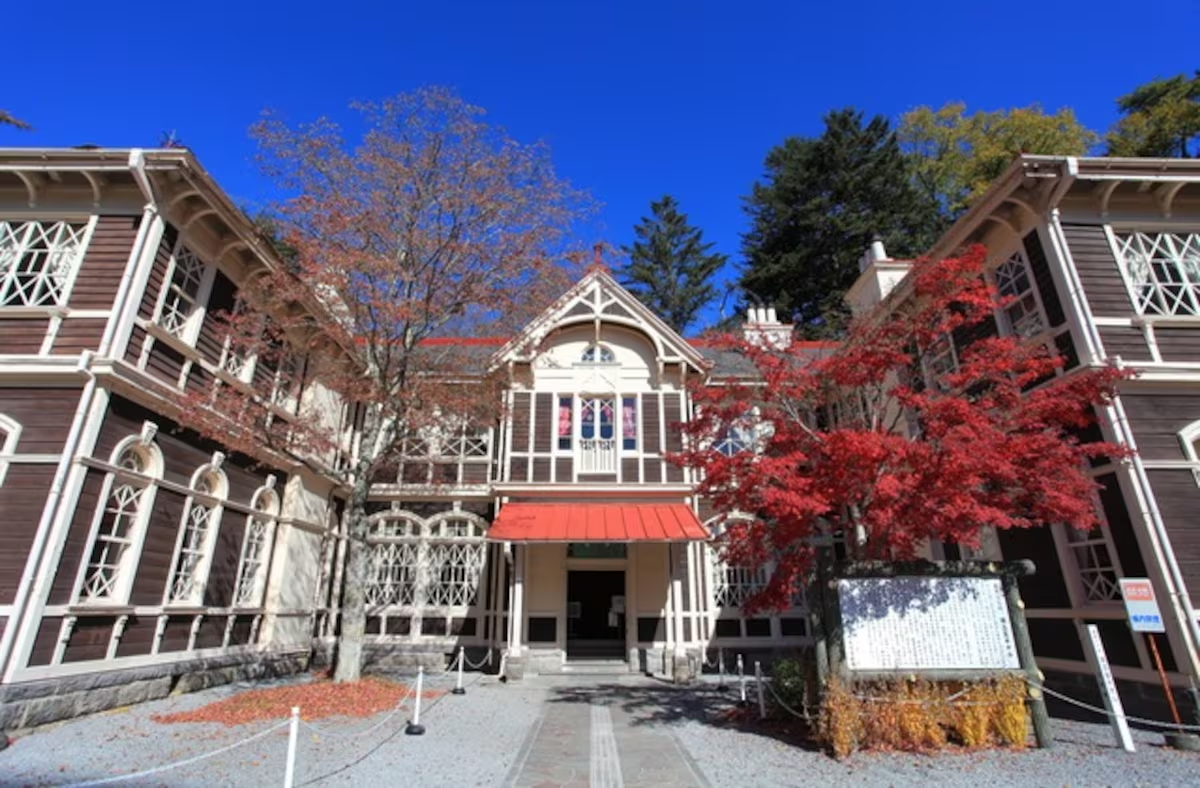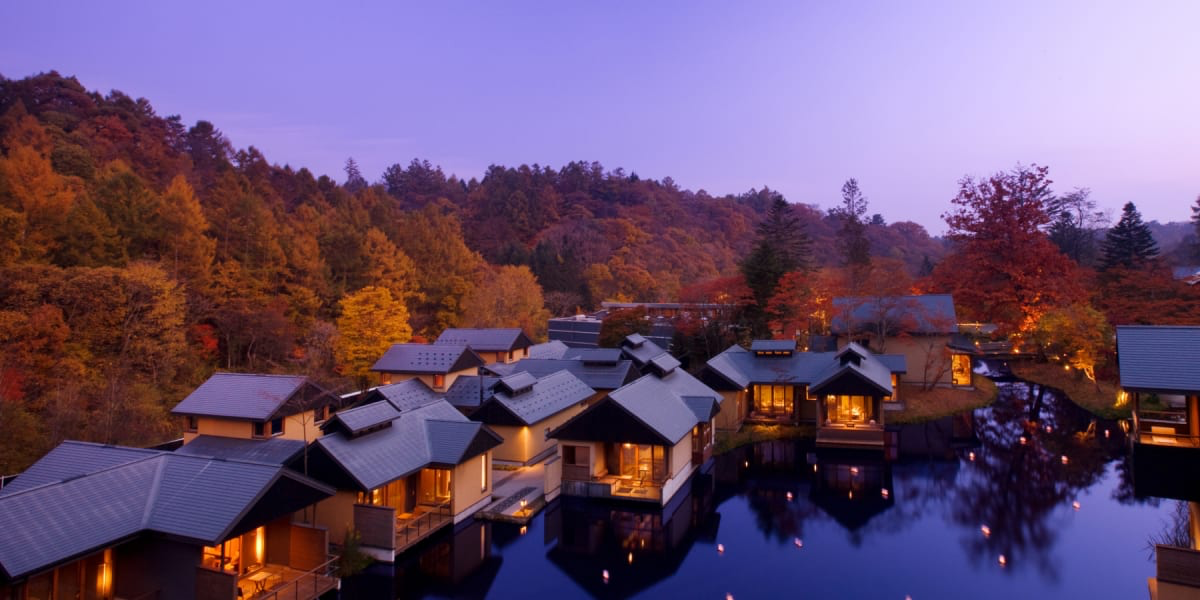
In the quiet hot spring town of Bessho Onsen, spiritual life has unfolded naturally for more than a millennium, shaped by the close relationship between Buddhism, healing waters, and everyday mountain life. At the center of this tradition stand Zensan-ji Temple and Kitamuki Kannon, two sacred sites that together form the spiritual core of the village. Visiting them reveals how faith in Bessho Onsen has never been separate from daily living, but deeply woven into the rhythms of health, travel, and reflection.
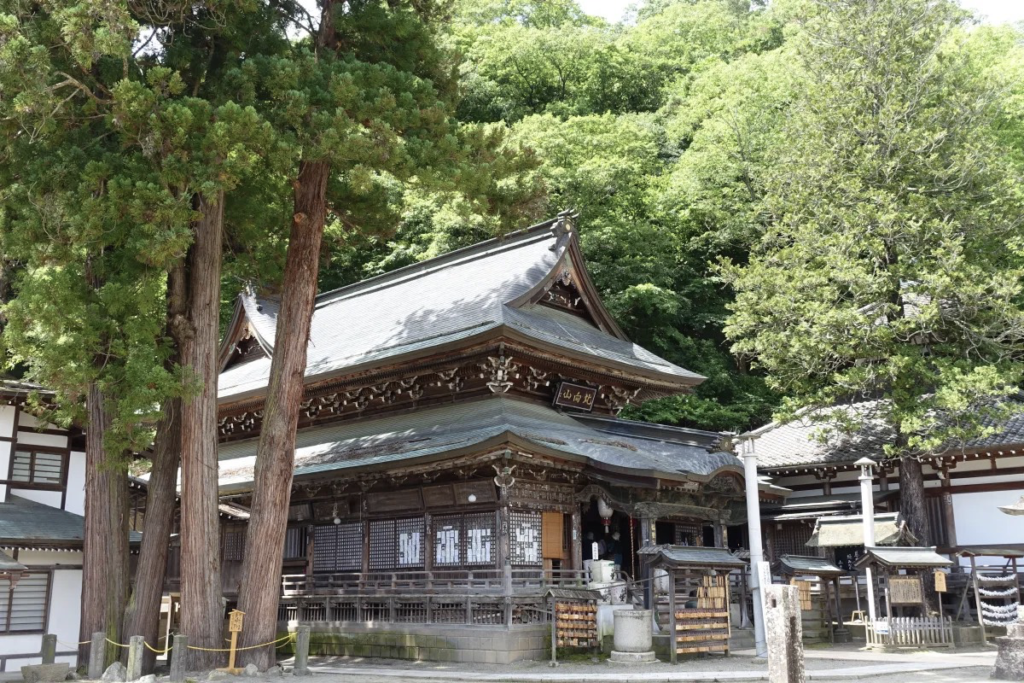
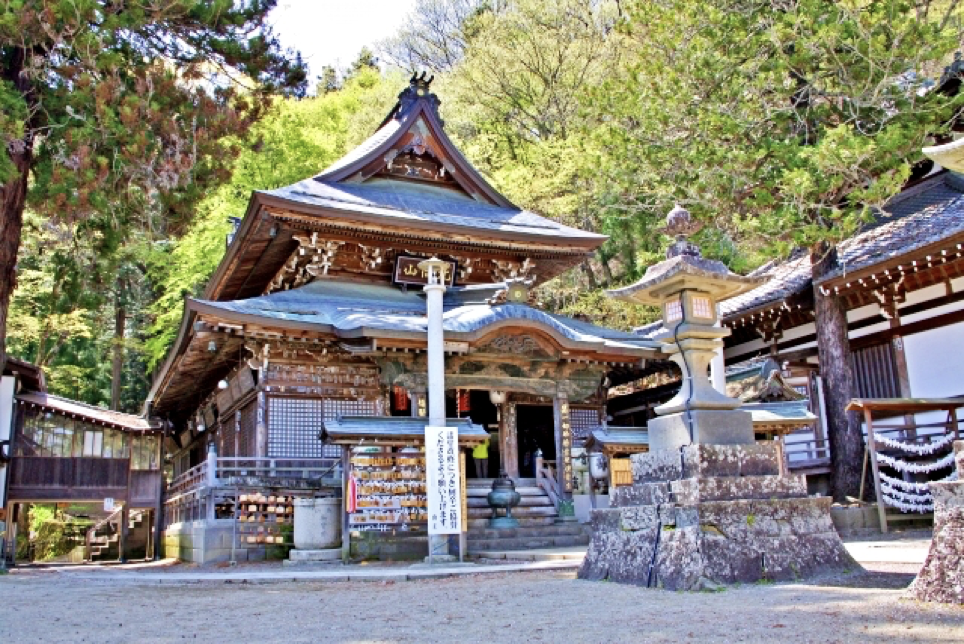
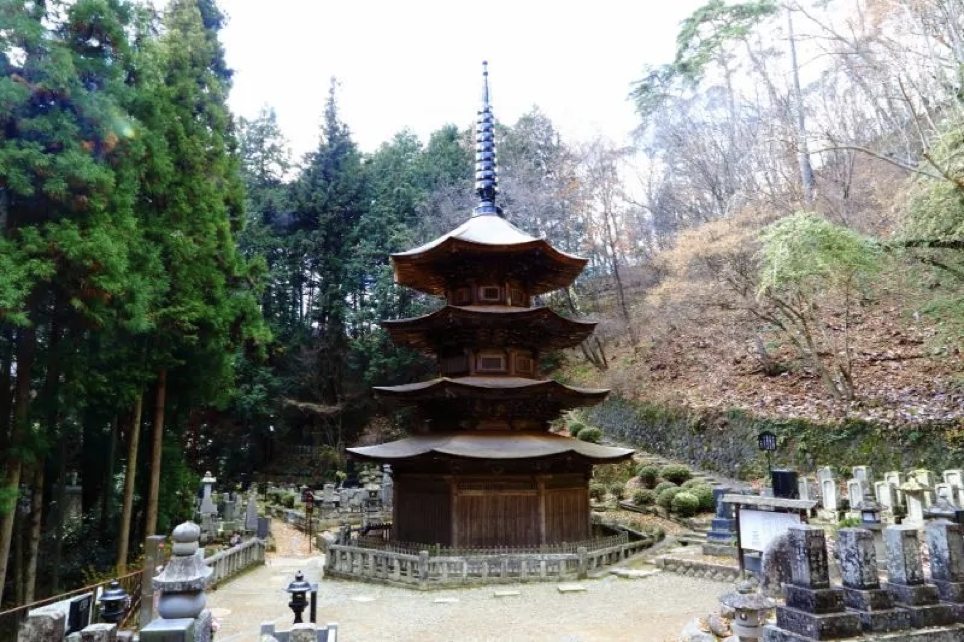
Zensan-ji Temple has long been regarded as the guardian temple of Bessho Onsen. Founded over 1,200 years ago, it grew alongside the hot springs themselves and served monks, pilgrims, and travelers who came seeking both physical healing and spiritual support. In pre-modern Japan, onsen bathing was closely connected to Buddhist belief, understood as a form of purification as well as therapy. Zensan-ji fulfilled this role by offering prayers and rituals to protect those who bathed in the springs, reinforcing the idea that recovery of the body and peace of the mind were inseparable.
The temple is dedicated to Yakushi Nyorai, the Medicine Buddha, who has been worshipped across Japan for centuries as a source of healing and relief from suffering. Even today, visitors come to Zensan-ji to pray for recovery from illness, long life, physical strength, and safe journeys. This devotion makes the temple a natural place to visit before or after bathing, strengthening Bessho Onsen’s identity as a destination of holistic healing rather than luxury.
Architecturally, Zensan-ji reflects quiet dignity rather than grandeur. Its wooden halls sit gently within the surrounding greenery, accompanied by moss-covered stone, old trees, and worn paths that speak of long use rather than preservation for display. The temple feels lived-in and sincere, continuing its original role as a place of daily faith for local residents rather than a monument designed to impress visitors.
A short walk away stands Kitamuki Kannon, one of the most unusual and beloved Kannon temples in Japan. Unlike almost all other Kannon statues, which face south, Kitamuki Kannon faces north, giving the temple its distinctive name. This rare orientation carries deep symbolic meaning. Traditionally, worshippers visit Zenko-ji Temple in Nagano, which faces south, to pray for blessings in this life, and then visit Kitamuki Kannon to pray for guidance and peace beyond this world. Together, the two temples represent balance between the present and what lies ahead.
Kitamuki Kannon has always been a temple of popular faith rather than elite patronage. For centuries, merchants, farmers, samurai, and travelers stopped here to pray for protection, safe passage, good fortune, and spiritual reassurance. This accessibility remains one of its defining qualities. Despite its historical importance, the temple retains an intimate, approachable atmosphere that welcomes quiet prayer rather than ceremony.
The character of Kitamuki Kannon changes gently with the seasons. Spring brings soft light and blossoms that frame the halls, summer offers cool shade after time spent bathing, autumn deepens the sense of age with rich foliage, and winter snow emphasizes simplicity and silence. No matter the season, the temple maintains a calm presence that invites unhurried reflection.
Together, Zensan-ji and Kitamuki Kannon express a complementary spiritual balance. Zensan-ji focuses on healing and well-being in the present world, while Kitamuki Kannon offers contemplation of spiritual continuity beyond it. Walking between the two through Bessho Onsen’s narrow streets naturally becomes a quiet pilgrimage, even for visitors who did not arrive with religious intent.
These temples reveal what makes Bessho Onsen truly distinctive. Here, hot springs are understood as a form of healing rather than indulgence, Buddhism functions as everyday support rather than abstraction, and history is preserved through continued use rather than display. For travelers exploring Ueda and the wider Nagano region, visiting Zensan-ji and Kitamuki Kannon adds depth to the onsen experience, connecting warm water, mountain air, and centuries of belief into a single, meaningful journey.
Zensanji Temple, Kitamuki Kannon, Bessho Onsen temples, Buddhist temples Nagano, Yakushi Nyorai, things to do in Bessho Onsen, Ueda spiritual sites