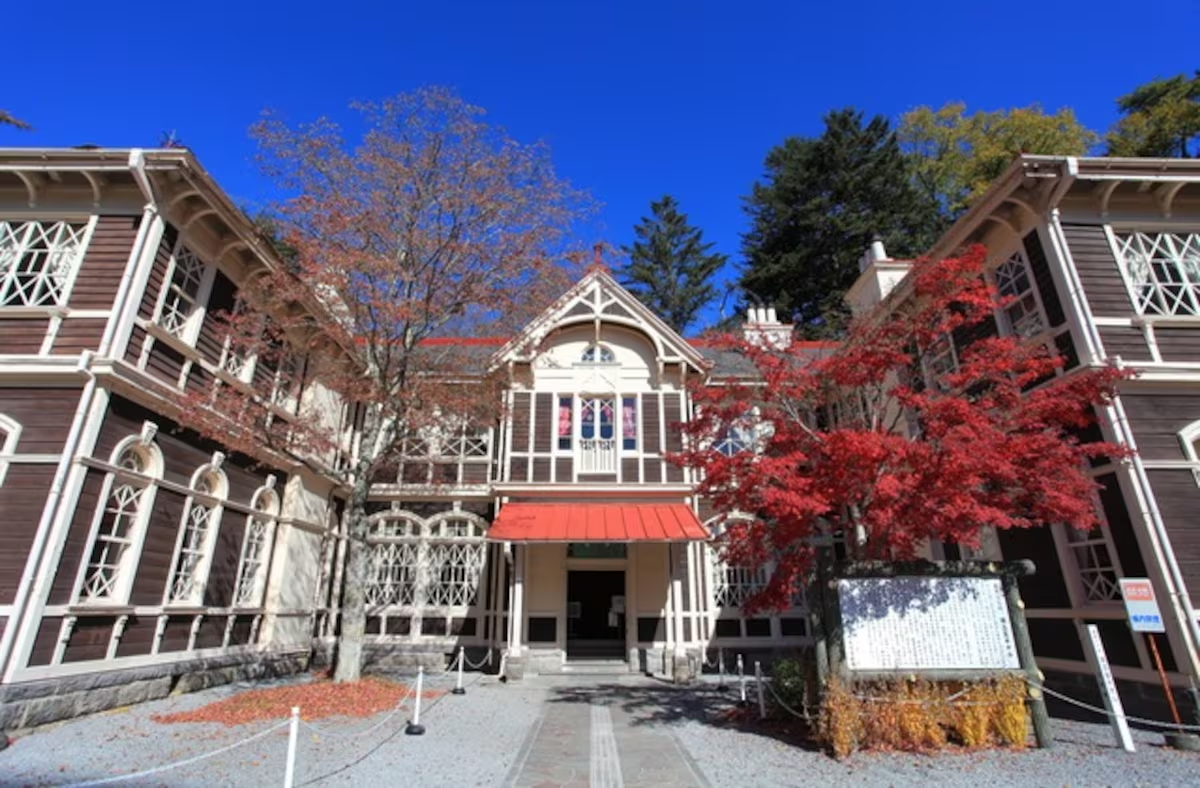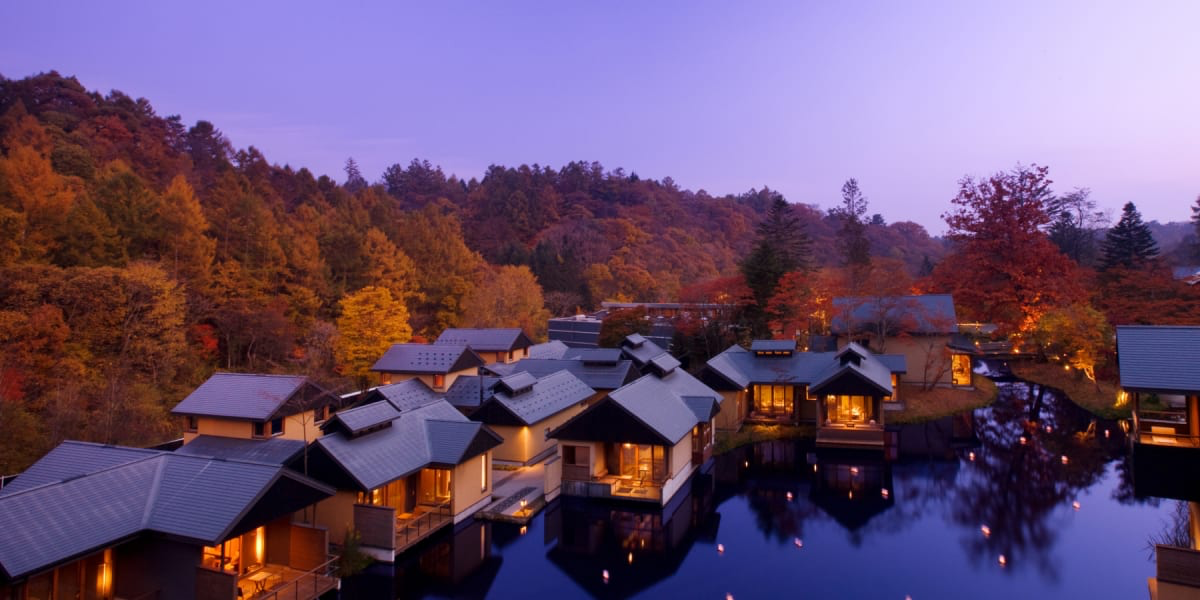
Sanada Yukimura is remembered not as a conqueror who reshaped Japan through victory, but as the embodiment of the ideal samurai: courageous, intelligent, loyal, and tragically heroic. Known historically as Sanada Nobushige, he became a legend through his unwavering stand against overwhelming odds during the Siege of Osaka. Admired even by his enemies, Yukimura’s life and death transformed him into a lasting symbol of resistance, honor, and the deeply human side of samurai history.
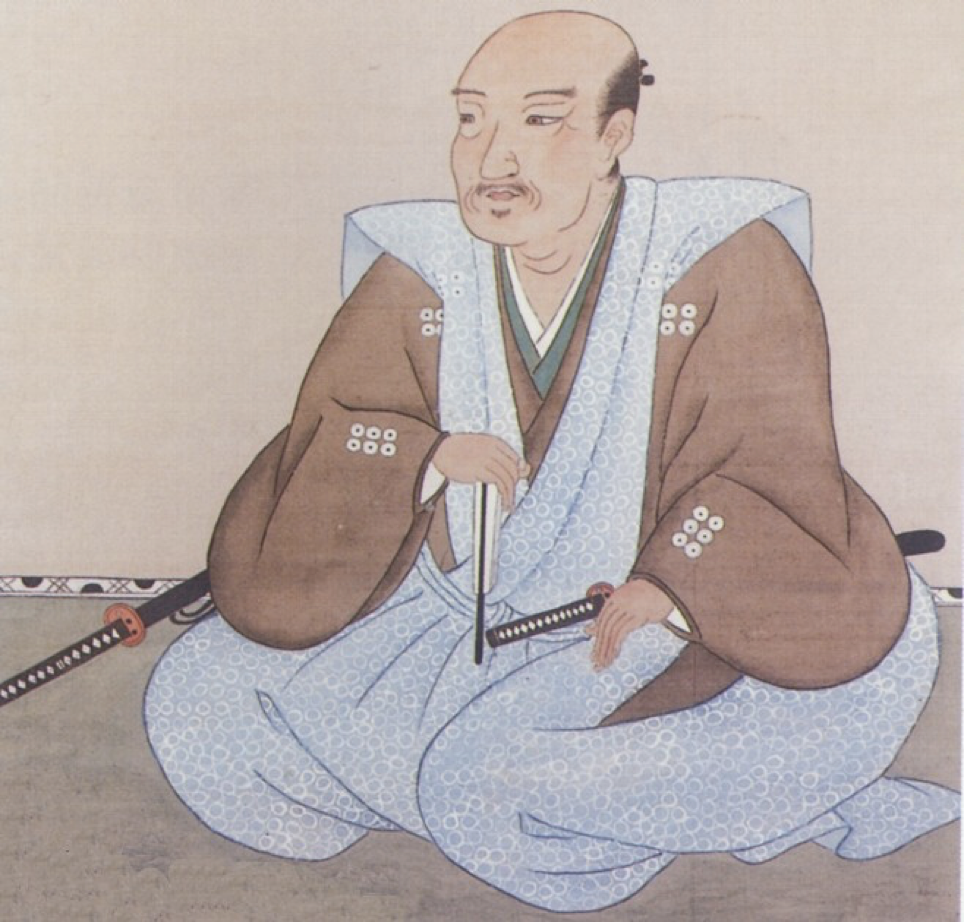
Born in 1567 as the second son of Sanada Masayuki, Yukimura grew up at the center of strategy and survival. His father was a brilliant tactician who built and defended Ueda Castle during the turbulent Sengoku period, an era when power shifted constantly and brute strength alone rarely guaranteed success. From childhood, Yukimura learned that terrain, timing, and psychology could matter more than sheer numbers. He was trained not only in combat, but in adaptability, loyalty to family, and the discipline required to endure uncertainty. Unlike many samurai who inherited status or land, Yukimura inherited a way of thinking shaped by constant threat and careful calculation.
The defining moment of the Sanada clan came after the Battle of Sekigahara in 1600, when Japan split between the victorious Tokugawa forces and the defeated Toyotomi loyalists. In a decision that revealed both foresight and desperation, Masayuki divided his sons between the opposing sides. Sanada Nobuyuki, the elder brother, aligned himself with Tokugawa Ieyasu, while Yukimura remained loyal to the Toyotomi cause. This painful split was a survival strategy designed to preserve the clan regardless of the outcome. As a result, Yukimura was exiled to Mount Kōya, where he lived in relative obscurity for more than a decade. Far from weakening him, this long exile shaped his image as a warrior waiting patiently for a final, decisive moment.
That moment arrived during the Siege of Osaka, the last great conflict of the Sengoku era. During the Winter Campaign of 1614, Yukimura emerged as a master of defensive warfare. He designed and commanded Sanada Maru, an advanced fortification attached to Osaka Castle that made brilliant use of terrain and funnel-shaped defenses. Through surprise counterattacks and precise control of movement, Yukimura’s forces repeatedly repelled Tokugawa assaults despite being heavily outnumbered. His tactics inflicted severe losses on the strongest army in Japan, and even Tokugawa commanders reportedly acknowledged his skill and composure under pressure.
The following year, during the Summer Campaign of 1615, Osaka Castle’s fall became inevitable. In a final act of defiance, Yukimura led a desperate assault directly toward Tokugawa Ieyasu’s headquarters. Exhausted, wounded, and surrounded, he continued fighting until he could no longer stand. When his identity was recognized, an enemy samurai granted him an honorable death. In that moment, Yukimura ceased to be merely a general and became a symbol of tragic heroism, admired precisely because he fought on despite knowing the outcome.
Yukimura’s enduring appeal lies in the fact that he did not win. In Japanese cultural memory, he represents loyalty over ambition, resistance against overwhelming power, and brilliance without victory. These qualities resonate deeply in a society that often values the manner of one’s struggle as much as its result. Yukimura’s enemies survived to praise him, and their respect helped elevate his reputation beyond propaganda or self-promotion.
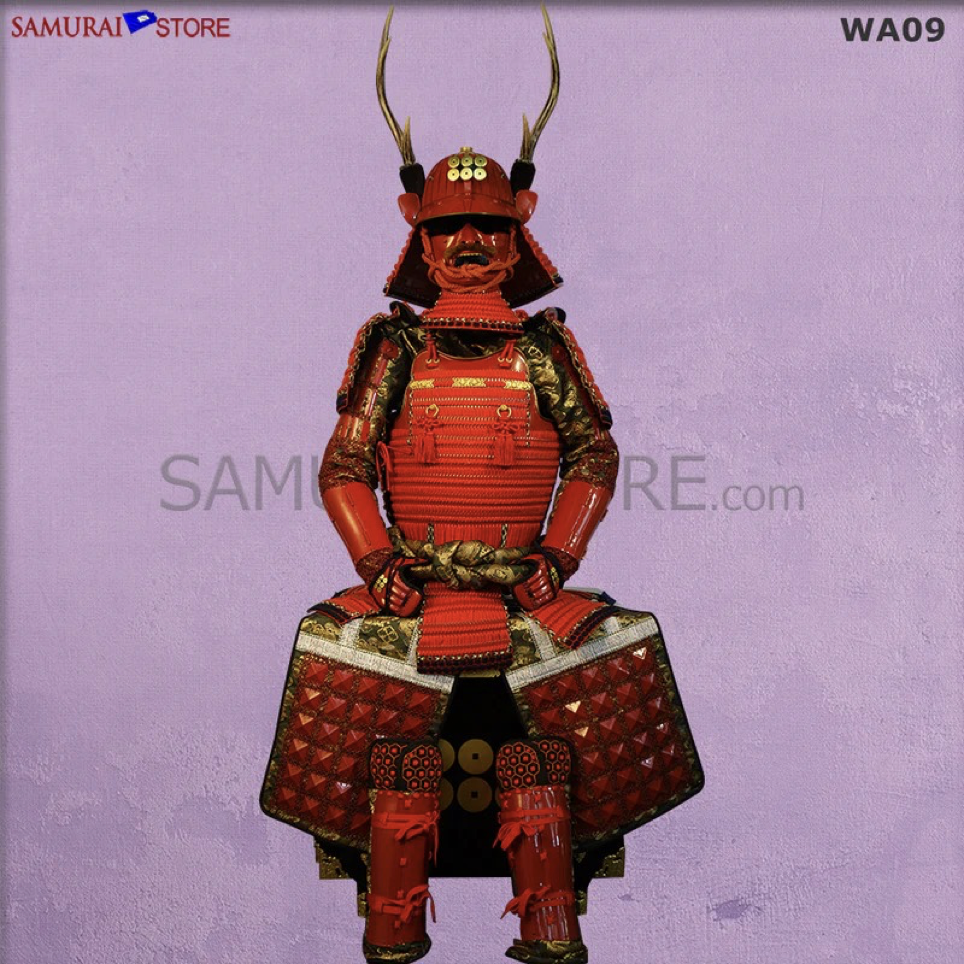
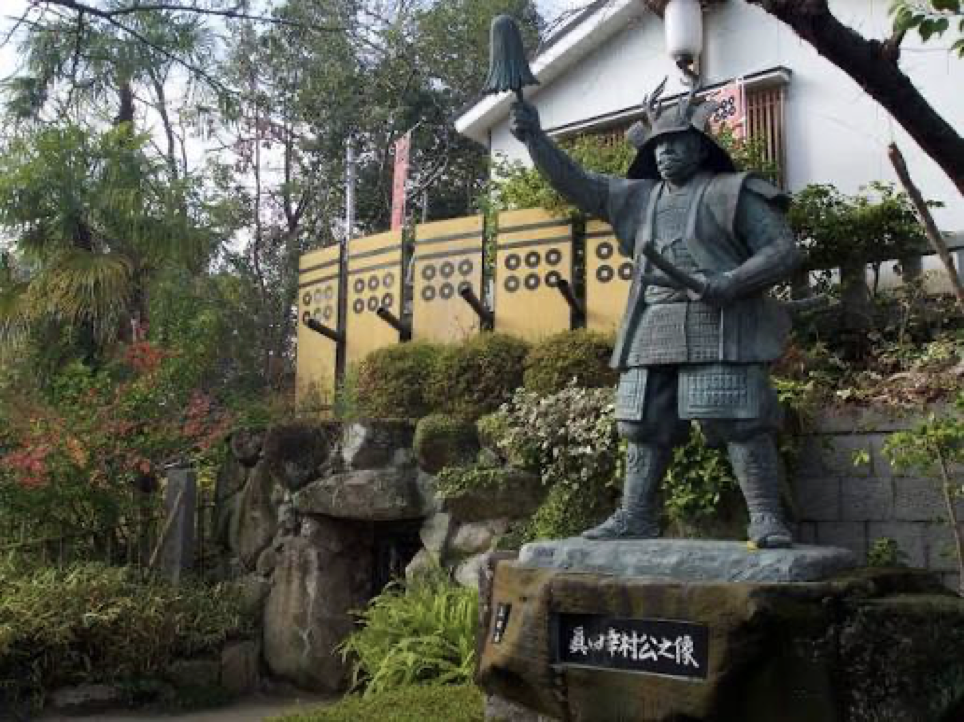
Today, Yukimura’s legacy remains especially strong in Ueda, where the Sanada clan originated, but his influence extends far beyond a single region. Shrines, castle ruins, museums, and annual festivals keep his story alive, while novels, television dramas, games, and popular folklore continue to reinterpret his life for new generations. Over time, he has been romanticized as the “Crimson Demon of War” and associated with legendary companions such as the Ten Braves of Sanada. While not all of these elements are historically accurate, they reflect the depth of admiration he inspires.
Modern historians emphasize that Yukimura was not reckless or blinded by emotion. He was a rational strategist whose decisions made sense within the Toyotomi cause and the realities of his time. The balance between historical record and later legend strengthens his story rather than diminishing it, revealing how values, memory, and storytelling shape national heroes.
Sanada Yukimura still matters because he humanizes samurai history. His life reminds us that integrity can outlast victory, that resistance can inspire more deeply than domination, and that legacy is defined by values rather than outcomes. For visitors exploring places like Ueda or tracing the paths of Sengoku-era Japan, understanding Yukimura transforms castles, shrines, and battlefields from silent stone into living narratives of courage, loyalty, and conviction.
Sanada Yukimura, Sanada Nobushige, Sanada clan, Siege of Osaka, Sanada Maru, Japanese samurai hero, Ueda history, Sengoku period warriors