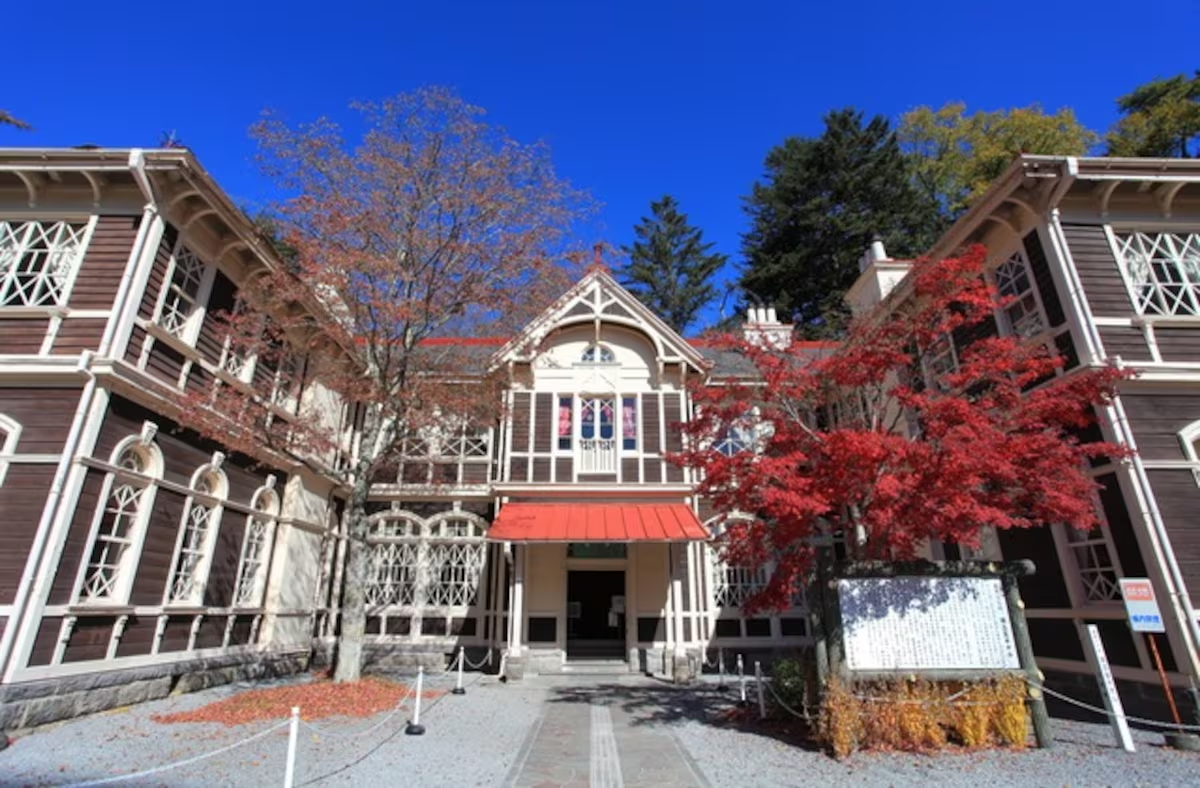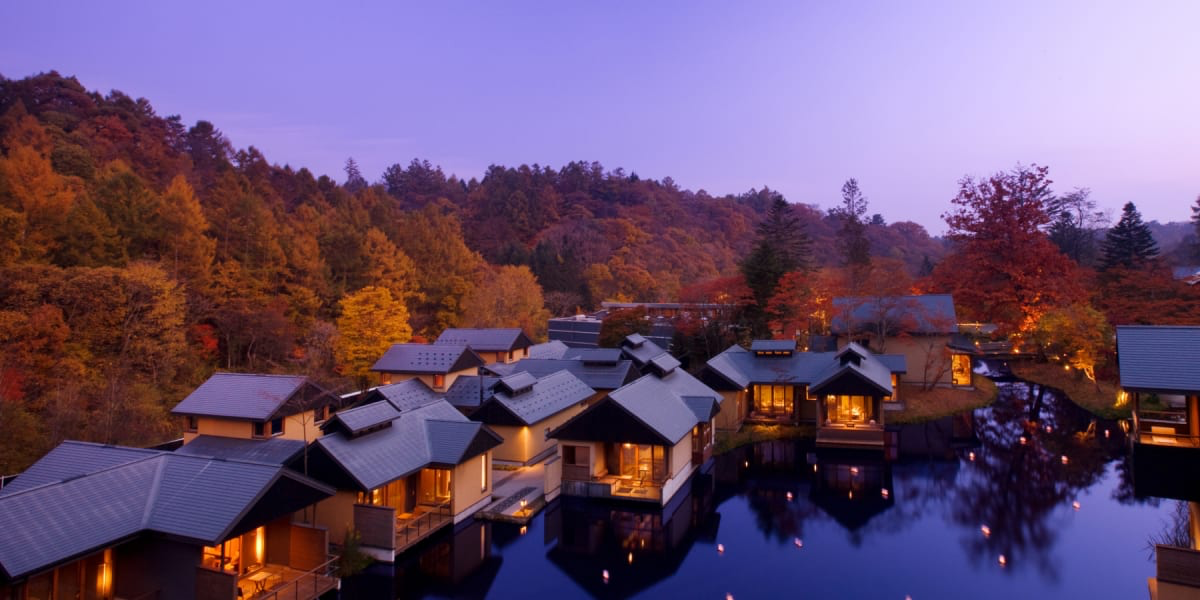
Nagano Prefecture is often associated with dramatic mountain scenery and pristine nature, yet it is also one of Japan’s most important regions for understanding samurai history. Far from the political centers of Kyoto and Edo, Nagano developed a distinct warrior culture shaped by rugged terrain, isolation, and necessity. Here, samurai strength was measured not by grand castles or vast armies, but by strategy, endurance, and unwavering loyalty. The legacy of this mindset is preserved most clearly through the story of the Sanada clan and the historic sites around Ueda, which together form the core of Nagano’s samurai heritage.
Nagano’s geography played a decisive role in shaping its warriors. Narrow valleys and steep mountains made it difficult to deploy large armies, while long supply lines were fragile and easily disrupted. Castles could not rely on height or size alone, and survival depended on intimate knowledge of the land, careful planning, and perfect timing. In this environment, samurai leaders learned to outthink stronger enemies rather than confront them directly. No clan embodied this approach more completely than the Sanada.
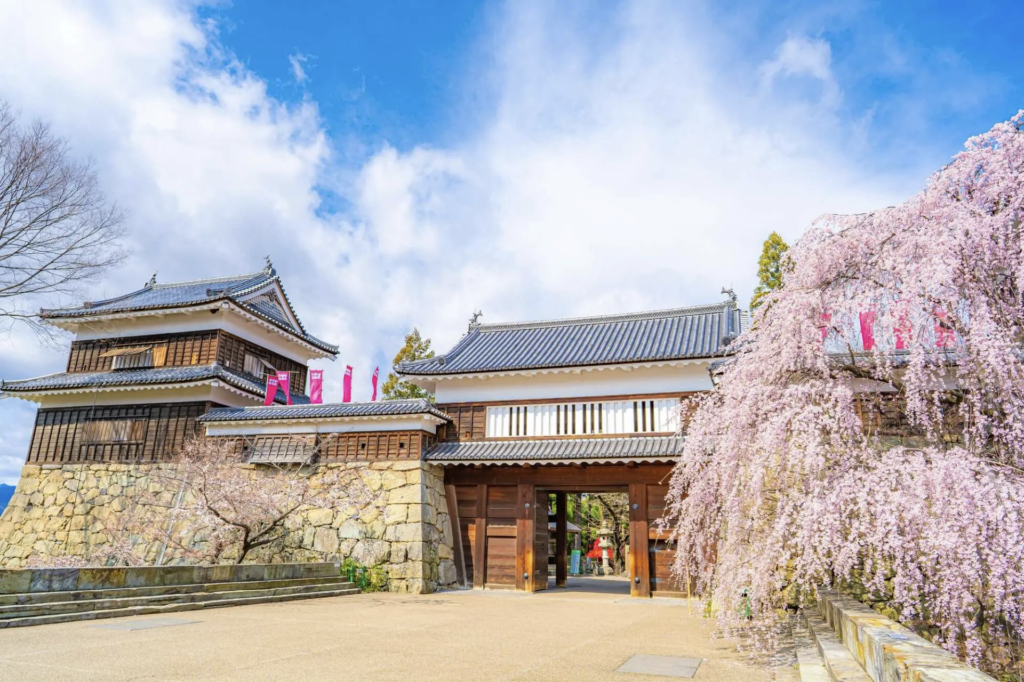
At the heart of this story stands Ueda Castle, built in 1583 by Sanada Masayuki. Rather than impressing with towering keeps, the castle was designed as a defensive stronghold that used terrain, moats, stone walls, and controlled access points to maximum effect. This strategy proved legendary during the Sengoku period, when Ueda Castle successfully repelled Tokugawa forces not once, but twice. Walking through Ueda Castle Ruins Park today reveals how battlefield intelligence shaped architecture in Nagano, offering a clear lesson in how strategy could overcome overwhelming odds.
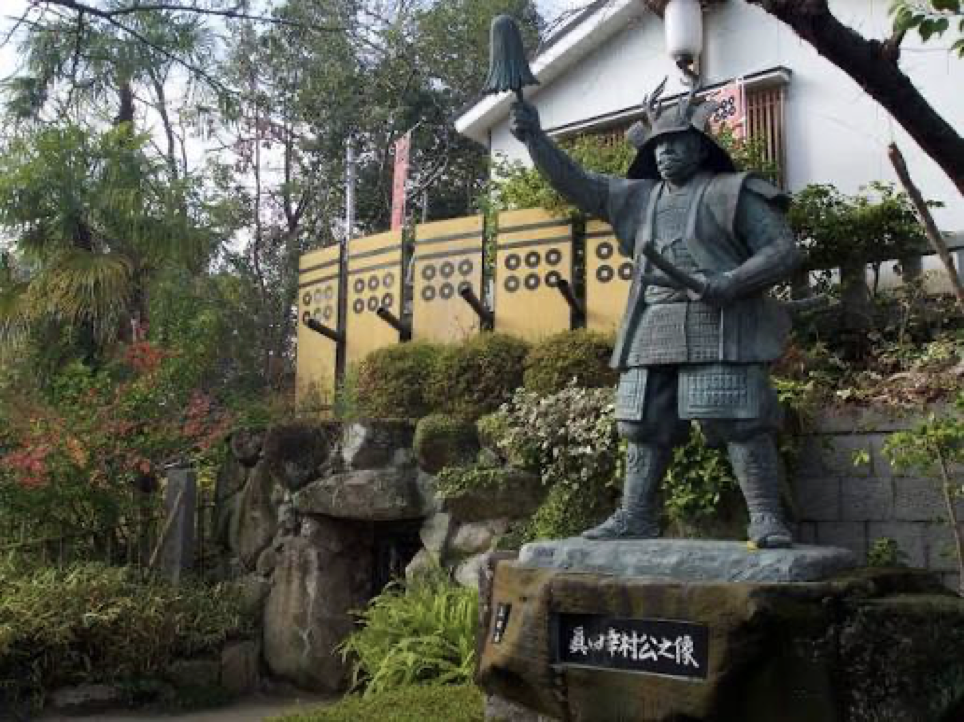
Within the castle grounds lies Sanada Shrine, a place where history, faith, and memory intersect. Dedicated to Sanada Masayuki and his sons, including the renowned Sanada Yukimura, the shrine honors values deeply rooted in samurai culture. Loyalty to one’s beliefs, sound strategic judgment, and perseverance in the face of adversity are central themes here. Sanada Shrine is not only a historical site, but also an active place of prayer where visitors and locals alike seek strength, resilience, and clarity.
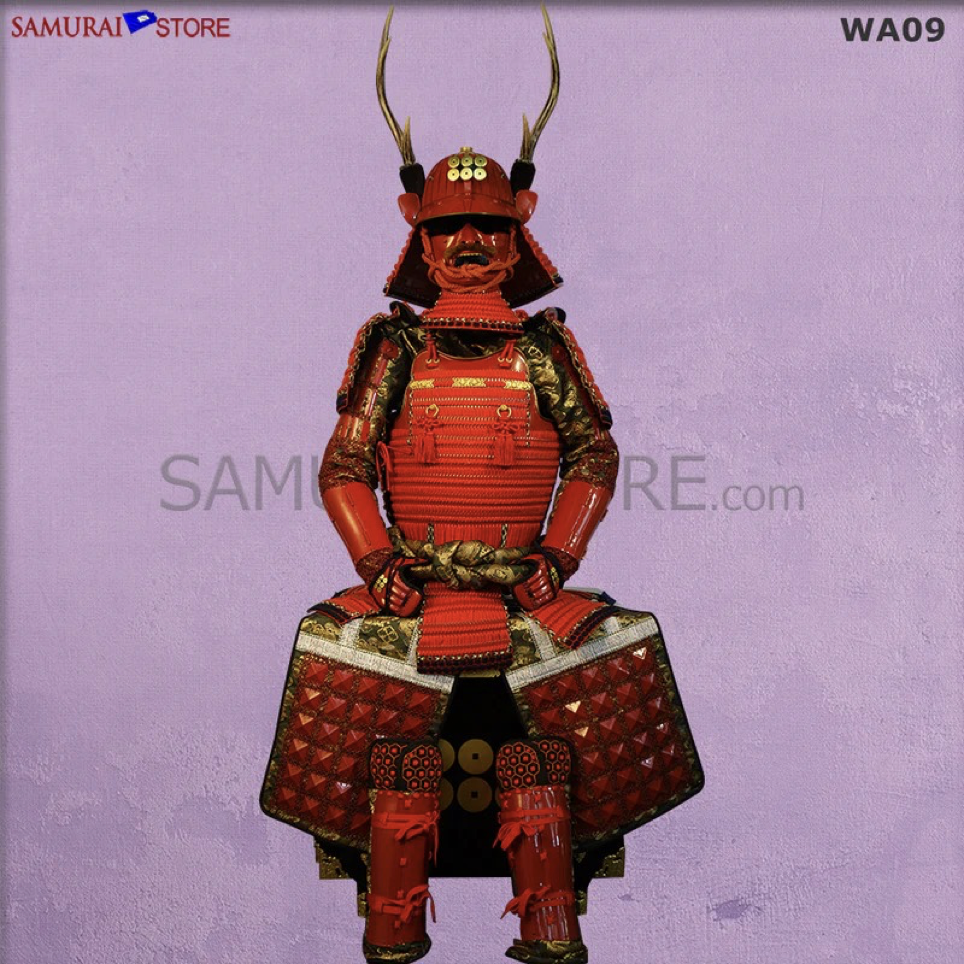
Next to the shrine, the Sanada Treasure Museum brings the Sengoku era into sharper focus through tangible artifacts. Armor, weapons, documents, and maps connected directly to the Sanada clan reveal how samurai lived, planned, and fought. Rather than glorifying violence, the museum emphasizes context and daily reality, explaining why the Sanada earned such deep respect among allies and enemies alike. Together, the shrine and museum provide a balanced view of samurai life that combines belief, strategy, and lived experience.
No discussion of Nagano’s samurai heritage is complete without Sanada Yukimura, known historically as Sanada Nobushige. Yukimura became one of Japan’s most admired samurai heroes through his role in the Siege of Osaka between 1614 and 1615. Fighting for a cause he ultimately knew would fail, he nonetheless earned eternal respect through his brilliant defense of Sanada Maru and his final charge against Tokugawa Ieyasu. Yukimura’s story resonates because it embodies a powerful Japanese ideal: that honor, loyalty, and conviction can outlast victory itself.
One of the most remarkable aspects of the Sanada clan’s history was their decision after the Battle of Sekigahara to divide their allegiance. One brother aligned with the victorious Tokugawa, while the other remained loyal to the Toyotomi. This calculated choice ensured the survival of the clan regardless of the political outcome and stands as a masterclass in pragmatic strategy. It reflects the uniquely Nagano approach to samurai life, where survival and foresight often mattered more than absolute loyalty to a single power.
Today, Nagano’s samurai heritage is not confined to museums or ruins. It continues to live through annual festivals in Ueda, historical reenactments, preserved castle grounds, and a strong sense of local pride. Samurai history here is not treated as distant spectacle, but as regional memory woven into everyday life and storytelling.
For visitors, exploring Nagano’s samurai legacy offers a different perspective on Japan’s warrior past. It is a story not of empire-builders, but of survivors; not of conquest, but of careful strategy; and not of legends born solely from victory, but from conviction and resilience. For those visiting Karuizawa or central Japan, tracing the samurai heritage of Nagano adds depth, humanity, and a deeper understanding of how history unfolded in Japan’s mountain heartland.
Samurai Heritage of Nagano, Sanada clan, Ueda Castle, Sanada Yukimura, Nagano samurai history, Sengoku period Nagano, things to do in Ueda