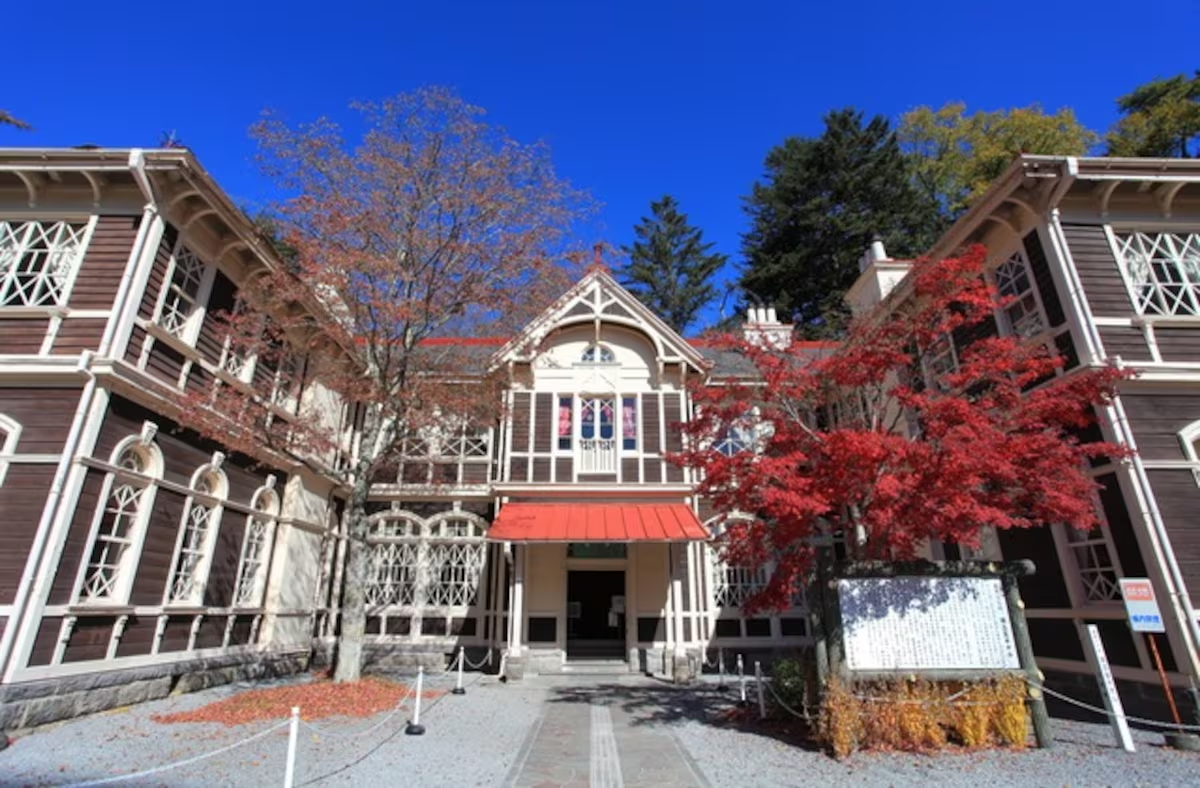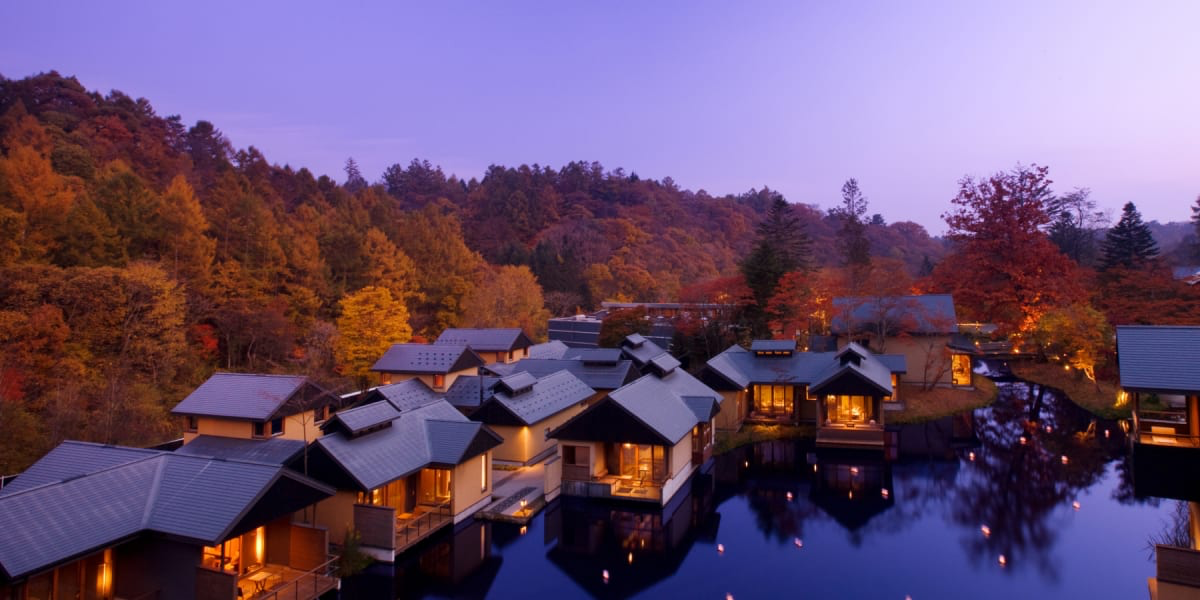
At first glance, Karuizawa appears serene and composed, defined by cool forests, clear water, and quiet walking paths. Yet beneath this calm surface lies one of Japan’s most powerful natural forces. The region’s landscape, climate, and ecosystems have been shaped over centuries by volcanic activity, above all by Mount Asama, one of the country’s most active volcanoes. Understanding Karuizawa means understanding how fire, water, and forest interact here to create a living, ever-evolving environment.
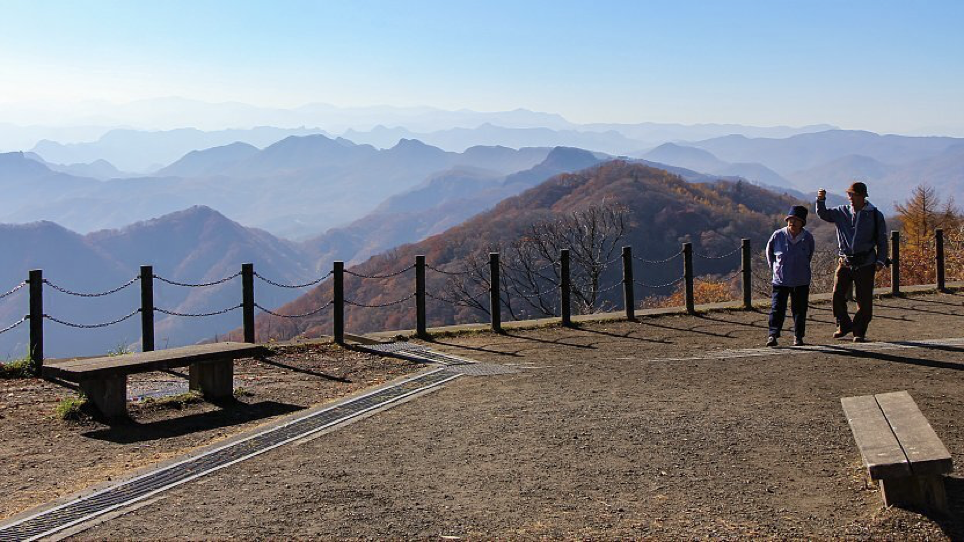
Rising to 2,568 meters, Mount Asama dominates Karuizawa’s northern skyline and defines the region more than any other feature. Unlike dormant peaks elsewhere in Japan, Asama remains a living stratovolcano, continuously monitored for activity. Its eruptions formed the highland terrain and elevation that keep Karuizawa cool even in summer. Volcanic ash and lava created porous soils that naturally filter rain and snow into exceptionally clear spring water, while shaping forest growth, river systems, and biodiversity. The most famous eruption, the Tenmei Eruption of 1783, released massive lava flows and ash that permanently altered the landscape, creating dramatic terrain still visible today. Rather than approaching Asama as a summit to conquer, Karuizawa invites visitors to experience the volcano through panoramic viewpoints, guided walks, and lava-field exploration that emphasize awareness and respect.
The most striking expression of Asama’s raw power is the Oniooshidashi Lava Field, formed during the 1783 eruption. Here, visitors walk across hardened lava that once surged violently down the mountain’s slopes. Jagged formations appear frozen mid-motion, offering clear views back toward Mount Asama and a visceral sense of geological force. Carefully designed paths make the area accessible while preserving its intensity. Within this stark landscape stands Oniooshidashi Kannon Temple, built to honor those who lost their lives during the eruption. The presence of a place of prayer amid devastation reflects a uniquely Japanese response to natural disaster, blending geology with remembrance and spiritual reflection.
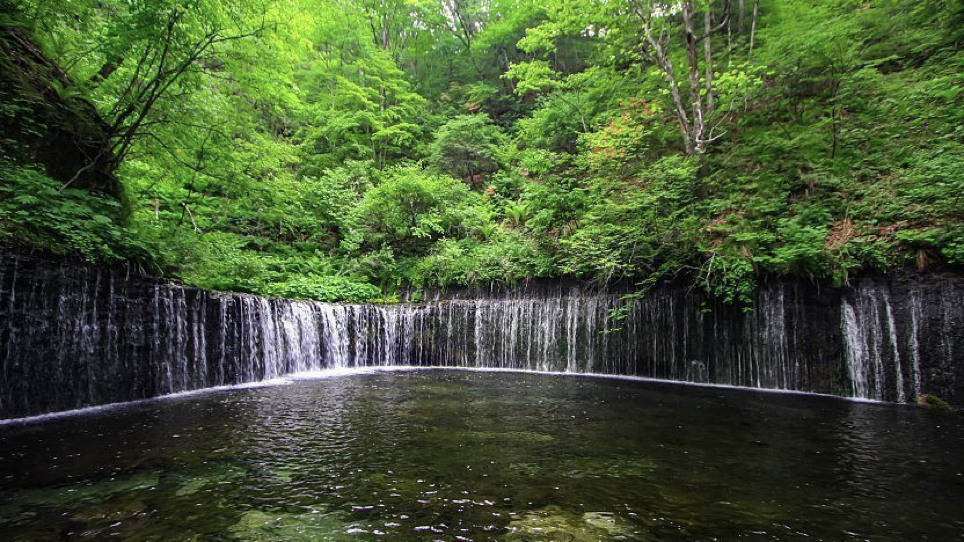
Volcanic influence also appears in gentler forms. Shiraito Waterfall is fed not by a river but by underground spring water filtered through Mount Asama’s volcanic layers. Instead of a single plunge, hundreds of delicate streams flow from a curved rock wall, creating the effect known as “white threads.” The waterfall flows steadily throughout the year, with exceptionally clear and cold water, and has long been regarded as a sacred place of quiet purification. Shiraito demonstrates that volcanic landscapes can produce not only destruction, but also subtle and enduring beauty.
Life flourishes across Karuizawa’s volcanic ground. Over time, mosses, grasses, birch, and larch trees colonized ash and lava, forming rich forest ecosystems. Areas such as the Karuizawa Wild Bird Sanctuary protect these environments, supporting more than eighty bird species along with mammals and diverse plant life. Woodland trails throughout the Hoshino Area reveal how elevation, climate, and soil shape mixed deciduous and coniferous forests that depend on clean water and minimal disturbance.
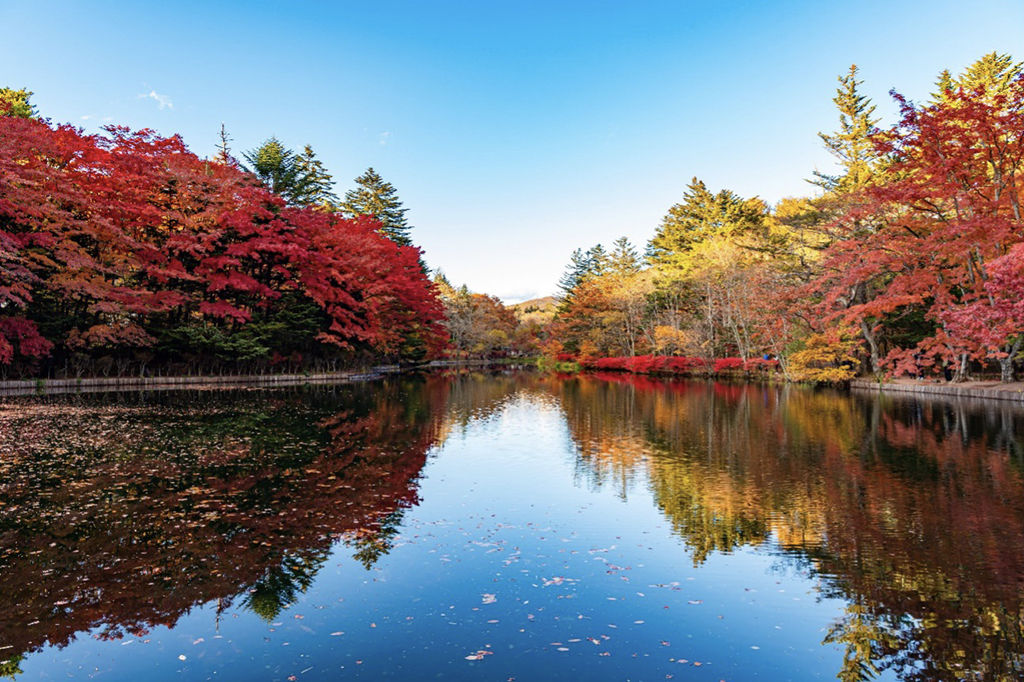
Where Mount Asama represents raw power, Kumoba Pond represents balance. Originally a wetland, the pond reflects Karuizawa’s careful approach to nature, preserving rather than dominating the landscape. Its still surface mirrors forests, clouds, and seasonal colors, earning it the nickname Swan Lake. A walk around the pond offers an easy, contemplative experience that highlights harmony between people and environment.
Experiencing Karuizawa’s volcanic and natural landscapes does not require extreme adventure. The region is ideal for travelers seeking depth without risk, offering scenic viewpoints of Mount Asama, accessible lava-field walks at Oniooshidashi, forest trails and birdwatching, and gentle visits to waterfalls and reflective ponds. Volcanic activity is carefully monitored, and access restrictions are clearly communicated, allowing safe exploration that respects nature’s power.
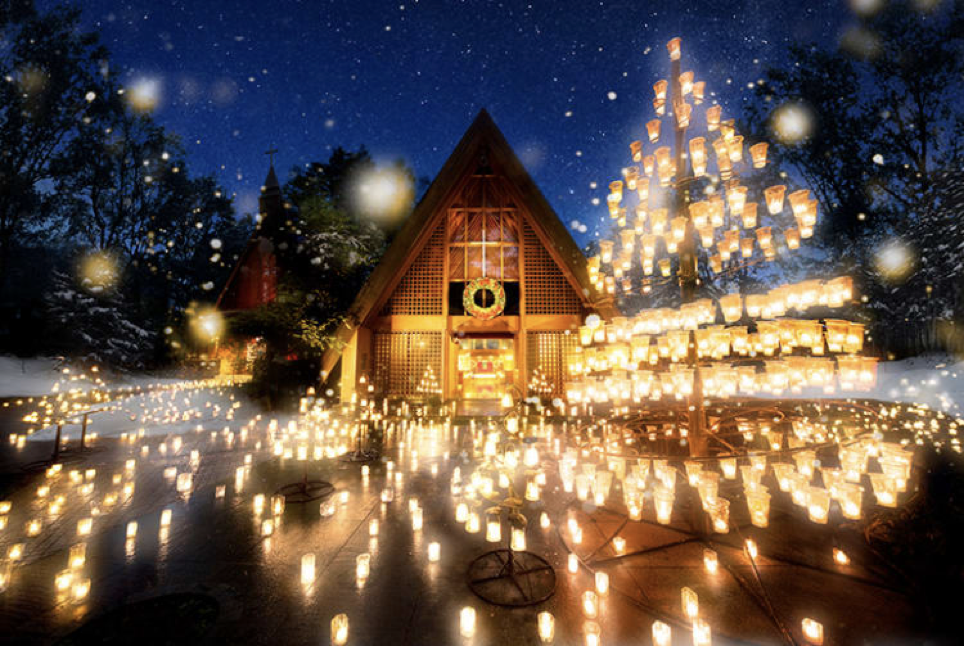
Nature in Karuizawa is constantly changing. Spring brings fresh growth from volcanic soil, summer offers cool forests and flowing springs, autumn sets vivid foliage against dark lava, and winter snow reveals the land’s underlying structure with striking clarity. Each season highlights a different relationship between fire, water, and life.
Karuizawa is not beautiful in spite of its volcano; it is beautiful because of it. Mount Asama created the land, the climate, and the conditions that made Karuizawa a retreat for thinkers, artists, and travelers seeking calm. The balance between danger and safety, power and stillness, defines the region’s character. For visitors interested in geology, nature, sustainability, and meaningful travel, Karuizawa offers a rare opportunity to experience a living landscape shaped patiently over centuries.
Volcano & Nature of Karuizawa, Mount Asama volcano, Karuizawa lava field, Oniooshidashi, Shiraito Waterfall, Karuizawa nature spots, Karuizawa hiking, things to do in Karuizawa