Karuizawa Wild Bird Sanctuary is one of the town’s most quietly significant places—a protected forest where nature is not staged for display but allowed to exist on its own terms. More than a sightseeing stop, the sanctuary embodies Karuizawa’s long-standing commitment to environmental preservation, scientific research, and respectful coexistence between people and wildlife. Located in the tranquil Hoshino Area, it offers a rare chance to experience Japan’s mountain ecosystem as it truly is: living, seasonal, and carefully protected.
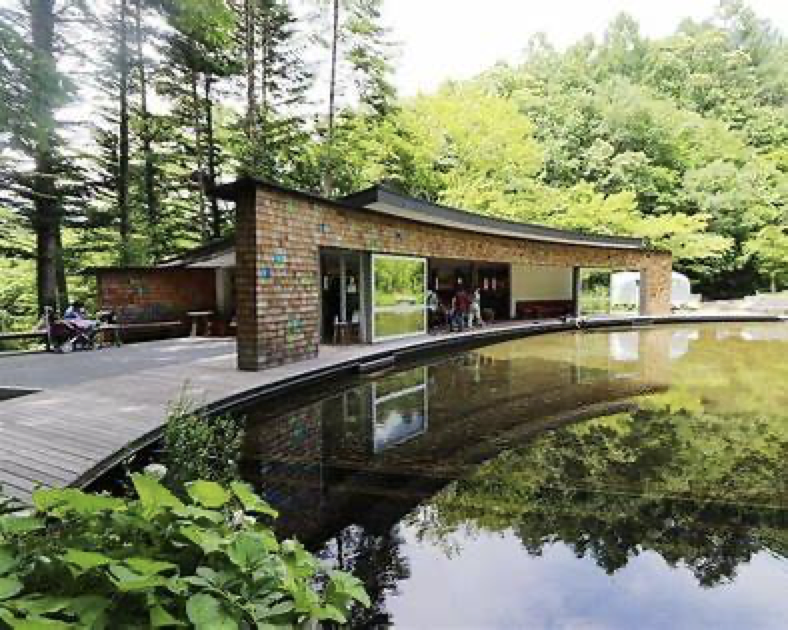
The sanctuary’s origins reach back to the early twentieth century, when Karuizawa was emerging as a summer retreat for missionaries, educators, and intellectuals. Many of these early residents came from cultures where birdwatching, nature study, and conservation were already well established. Rather than viewing the surrounding forests as land to be developed, they advocated preservation—an approach that aligned naturally with Karuizawa’s identity as a place for reflection, learning, and retreat. Over time, the forest gained formal protection, becoming one of Japan’s earliest examples of a bird sanctuary thoughtfully integrated into a resort town.
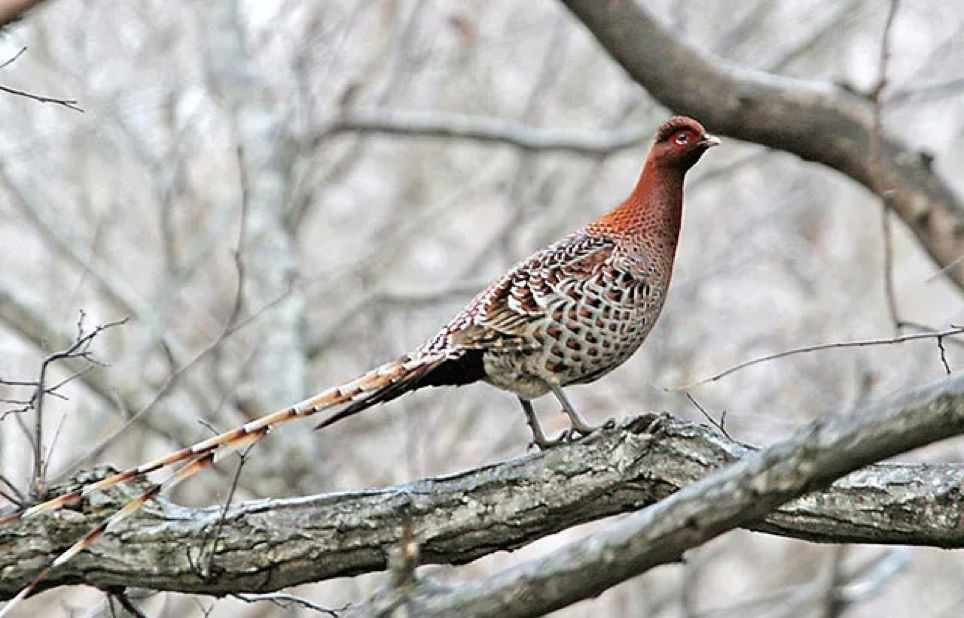
Karuizawa’s setting makes it uniquely suited for birdlife. At an elevation of around one thousand meters, with mixed deciduous and coniferous forests and close proximity to Mount Asama, the area forms an ecological crossroads. More than eighty bird species have been recorded here, including Japanese woodpeckers, nuthatches, tits, owls, forest raptors, and seasonal migratory birds. In this environment, birds are not symbols or ornaments; they are indicators of ecological health, reflecting clean water, balanced forest growth, and limited human disturbance.
A defining feature of the sanctuary is its close association with Picchio, a pioneering conservation group based in Karuizawa and known nationwide for its work in bird research, wildlife monitoring, human–wildlife coexistence, and environmental education. Through guided walks and educational programs, Picchio has turned the sanctuary into a living classroom. Visitors learn not only which species inhabit the forest, but how ecosystems function and why careful management matters. This scientific, educational approach distinguishes the sanctuary from nature parks designed primarily for tourism.
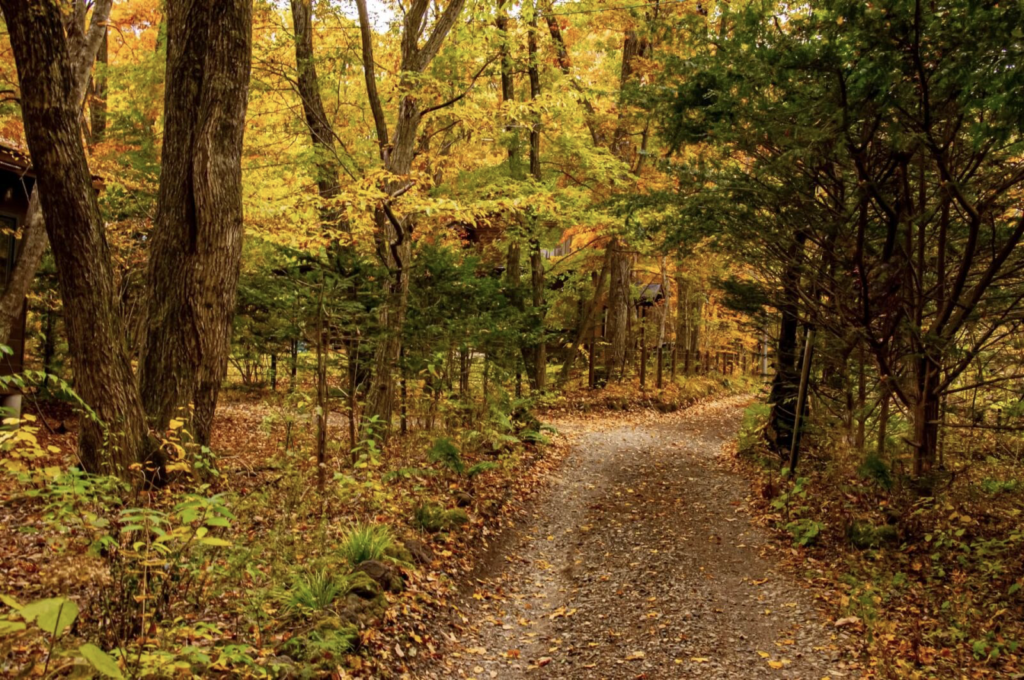
Design within the sanctuary follows a philosophy of minimal intervention. Narrow, well-maintained paths guide visitors without dominating the landscape, signage is discreet, and observation points blend into the forest. Rather than directing attention with displays or explanations, the space encourages quiet observation. The sounds of wind, birdsong, and footsteps on leaves replace commentary, reflecting a belief that nature does not need interpretation to be meaningful.
Time behaves differently here. Unlike more famous wildlife destinations, the Karuizawa Wild Bird Sanctuary rewards patience. Birds may not appear immediately, and silence becomes part of the experience. Many visitors discover that the longer they remain still, the more the forest reveals itself—birds emerging as human presence softens, details sharpening as attention slows. This mirrors traditional Japanese views of nature, which emphasize entering respectfully rather than conquering or consuming.
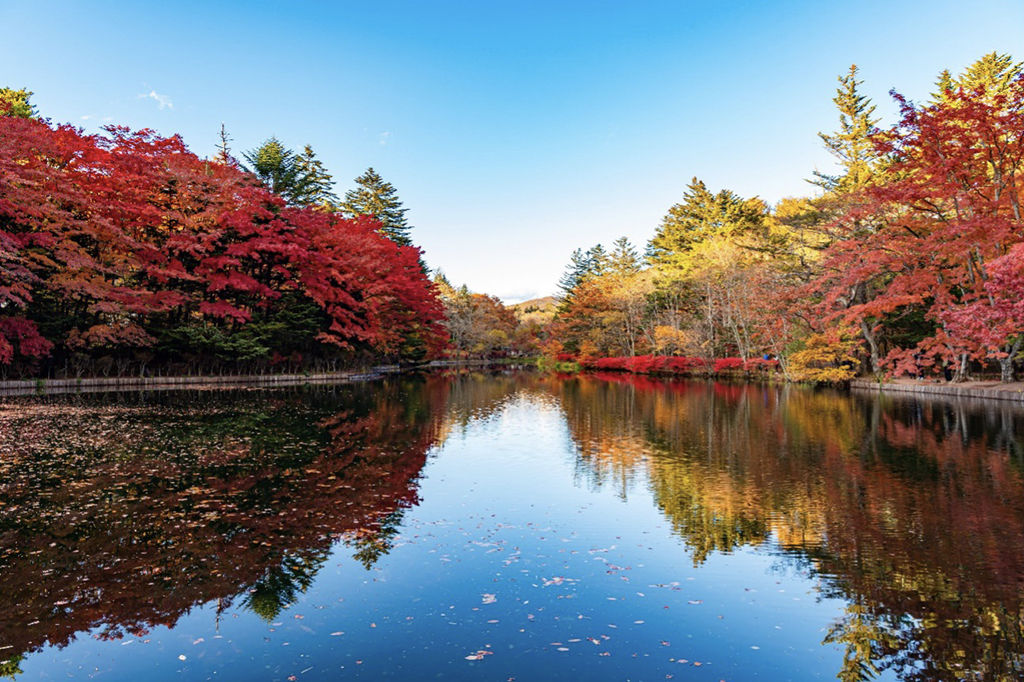
Seasonal change is especially vivid in the sanctuary. Spring brings nesting activity and energetic birdsong, summer offers dense greenery and cool shade, autumn coincides with migration and heightened movement, and winter reveals the forest’s structure with striking clarity as branches stand out against snow. Surprisingly to many, winter can be one of the best times for birdwatching, with fewer leaves and stronger visual contrast making resident species easier to spot.
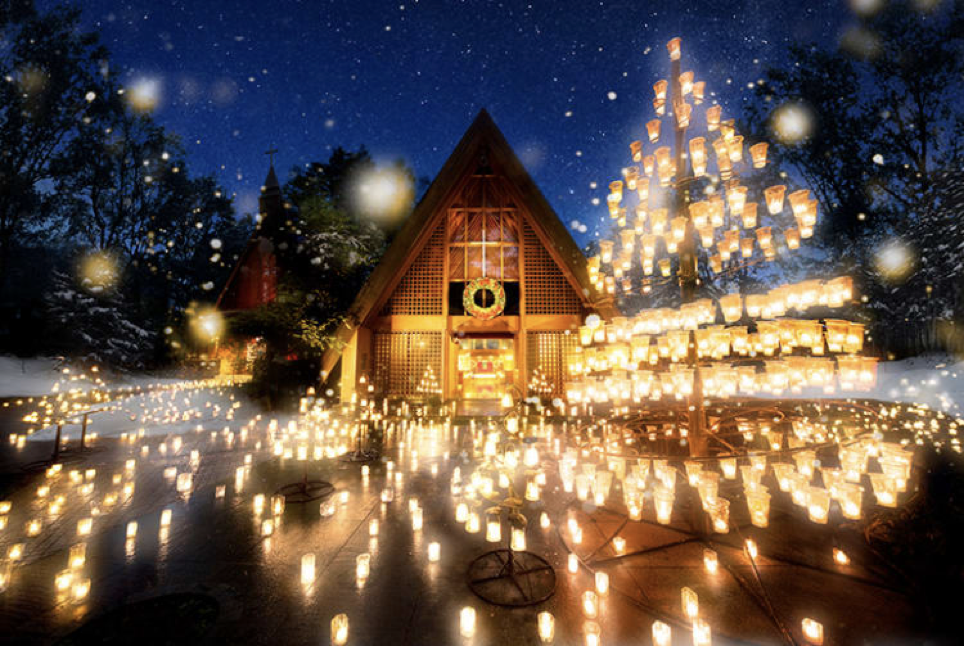
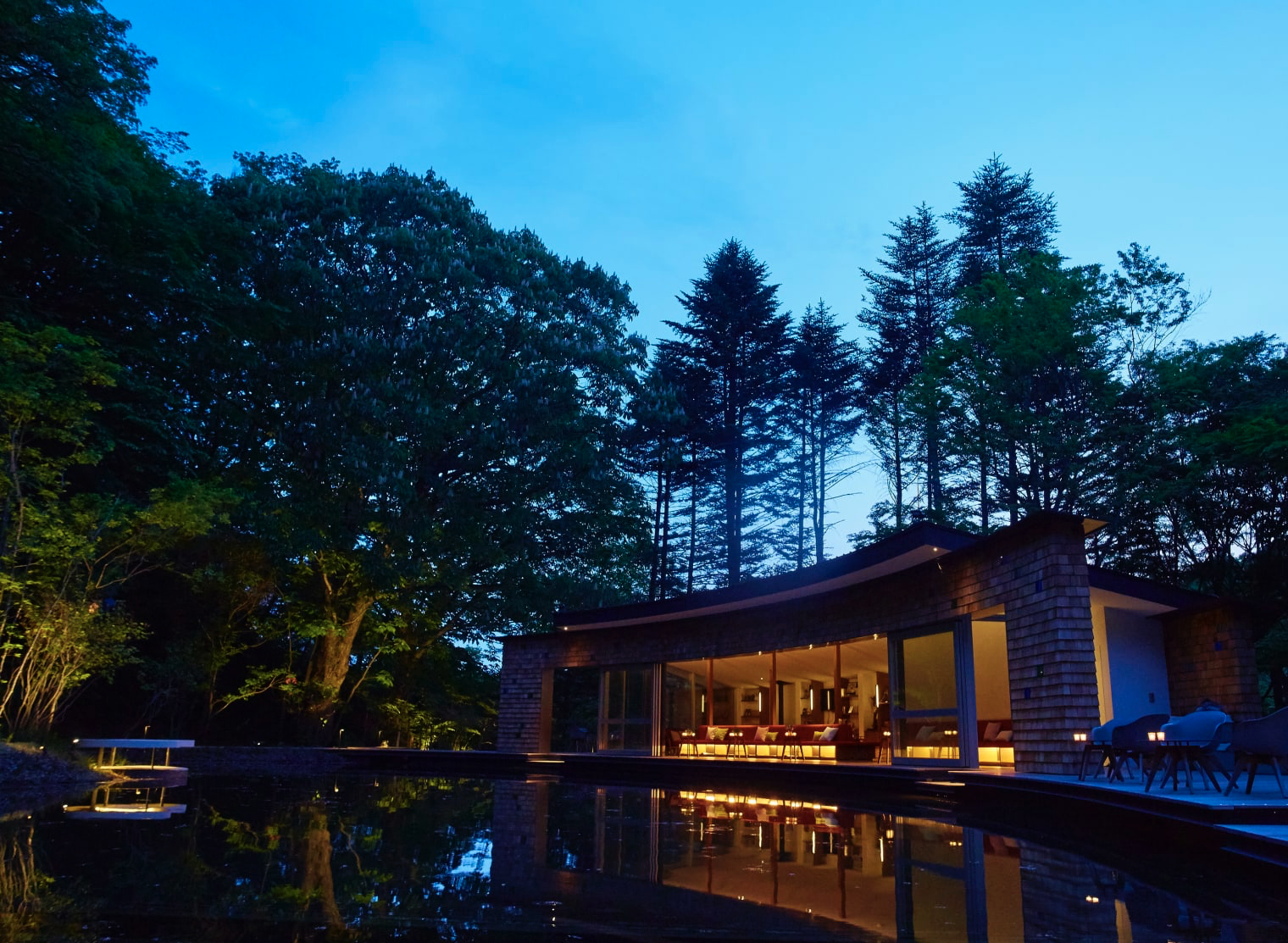
In practical terms, the sanctuary is easy to include in a Karuizawa visit. A typical stay lasts between forty-five minutes and an hour and a half, with early morning being the most rewarding time. Access is straightforward by bus, taxi, or bicycle from Karuizawa Station, and the area pairs naturally with nearby highlights such as the Stone Church (Uchimura Kanzō Memorial), Hoshino Onsen Tombo no Yu, Harunire Terrace, and surrounding forest trails. Joining a guided walk is recommended for visitors who want deeper insight into the ecosystem.
Ultimately, the Karuizawa Wild Bird Sanctuary reflects the town’s core values: preservation over development, knowledge over spectacle, and coexistence over control. It reminds visitors that Karuizawa’s elegance is not accidental but the result of deliberate choices made over generations. For travelers interested in nature, sustainability, and meaningful experiences, the sanctuary offers one of the region’s most authentic encounters—quiet, educational, and deeply grounding.
Karuizawa Wild Bird Sanctuary, Karuizawa bird watching, Picchio Karuizawa, Karuizawa nature reserve, things to do in Karuizawa, Karuizawa forest walk