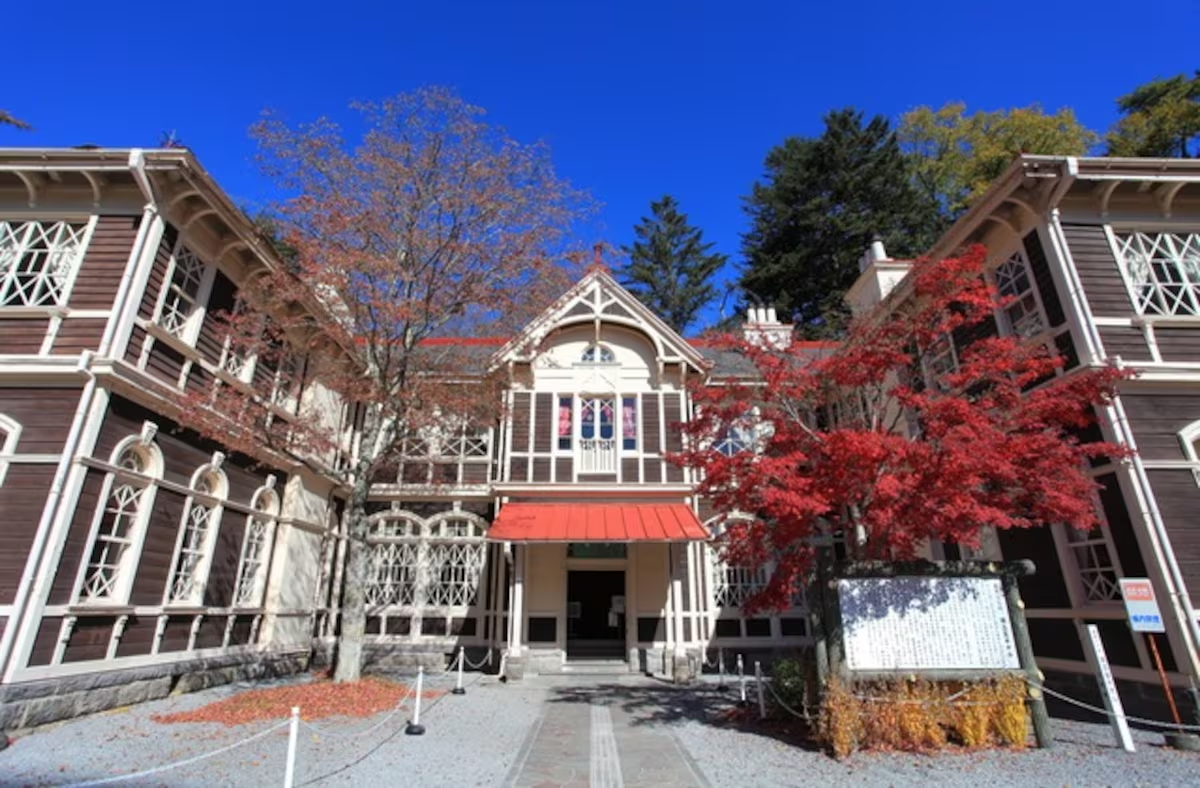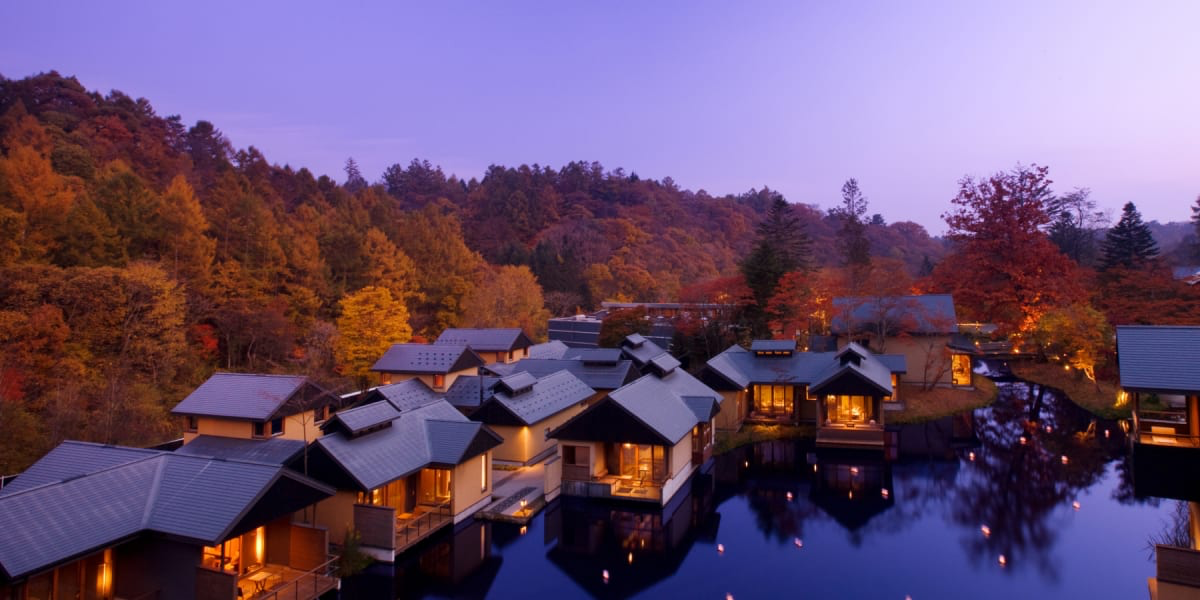
Karuizawa is one of Japan’s most distinctive resort towns, a place where cool mountain air, international heritage, and refined simplicity blend naturally. Set at the foot of Mount Asama in Nagano Prefecture, Karuizawa has long been a sanctuary for those seeking relief from summer heat, urban noise, and the intensity of city life. More than a holiday destination, it represents a unique chapter in modern Japanese history: the emergence of a Western-style mountain retreat shaped by missionaries, intellectuals, artists, and architects.
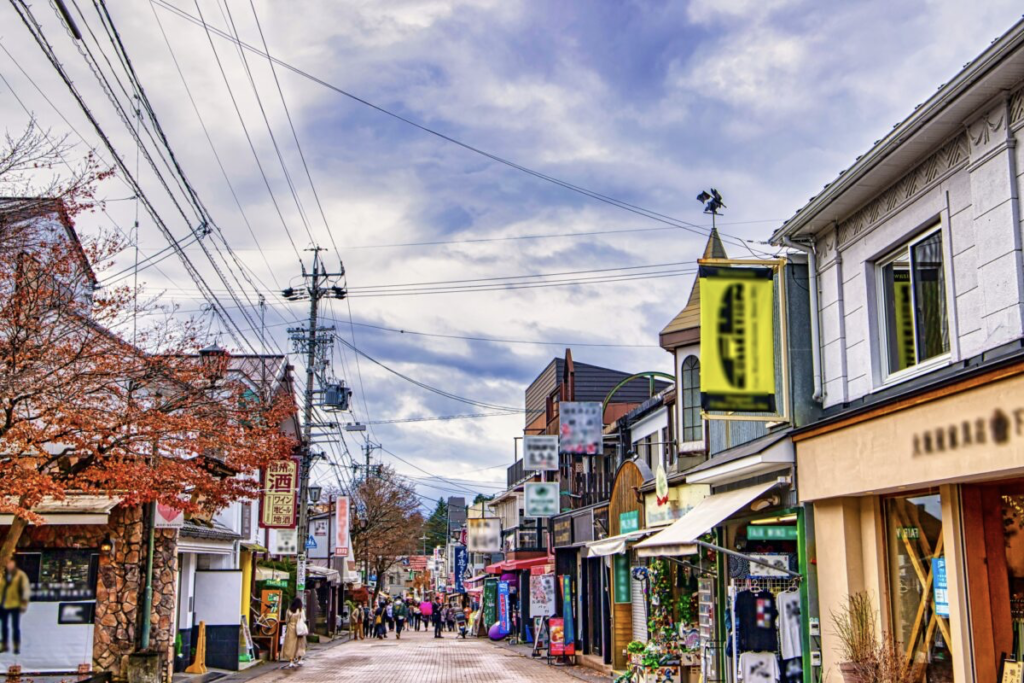
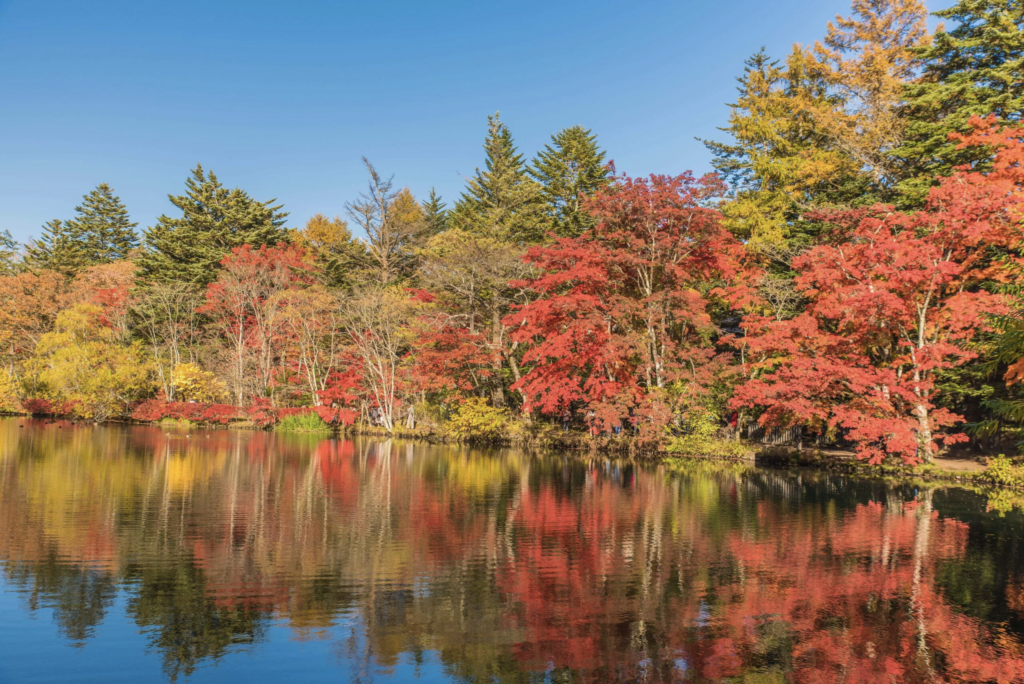
Long before villas and cafés appeared, Karuizawa was a post town on the Nakasendō, one of the five major highways linking Edo (Tokyo) with Kyoto during the Edo period. Travelers, merchants, and officials passed through this highland area, resting before crossing the steep Usui Pass. The town’s modern transformation began in 1886, when Anglican missionary Alexander Croft Shaw encountered Karuizawa while traveling through Nagano. Struck by its cool climate and clean air, Shaw promoted the area as a summer retreat for foreigners living in Japan—an idea that was revolutionary at the time. That single recommendation quietly but decisively changed Karuizawa’s destiny.
By the late nineteenth and early twentieth centuries, Karuizawa had become Japan’s first international summer resort. Foreign missionaries and diplomats, educators and scholars, Japanese Christian intellectuals, and members of the emerging elite began to settle here seasonally. Western-style villas, churches, and schools took shape among the trees, creating an atmosphere unlike anywhere else in the country. Instead of developing as a traditional hot spring town, Karuizawa evolved into a quiet, intellectual, and cosmopolitan retreat—an international foundation that still defines the town today.
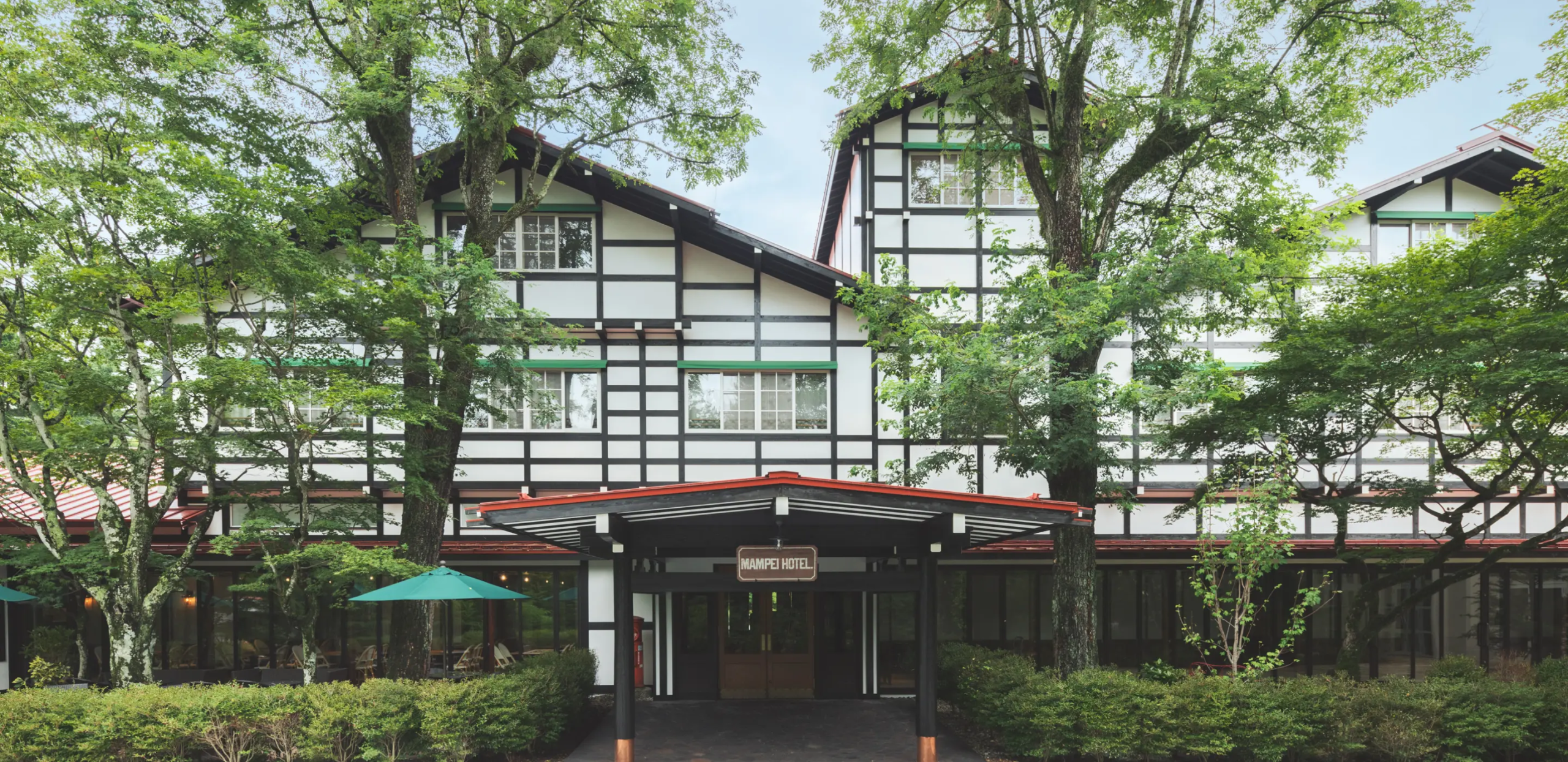
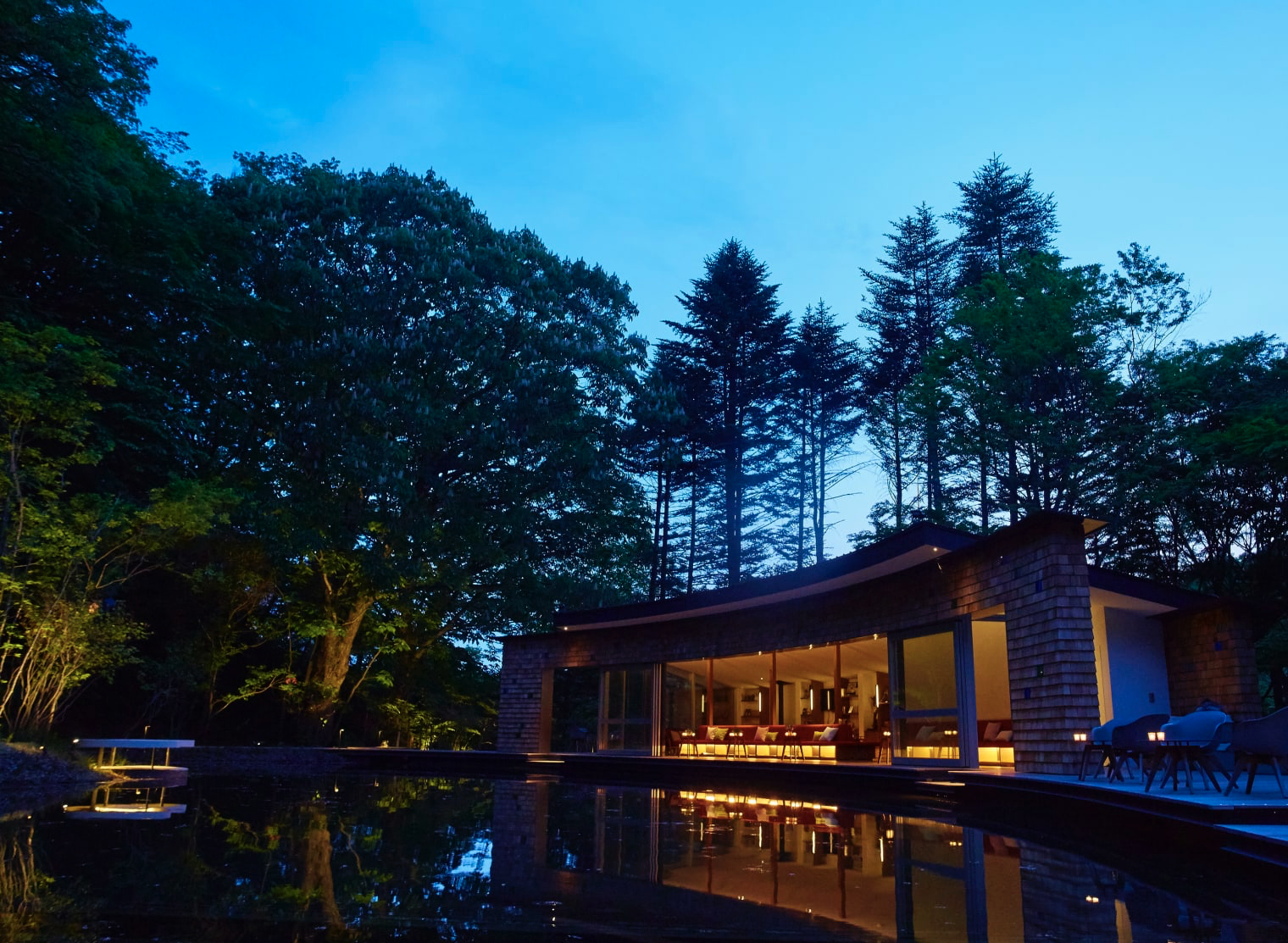
This character is reflected in Karuizawa’s architecture and townscape. The landscape remains deliberately restrained, with low-rise buildings, extensive use of natural materials, and forests preserved rather than cleared. Many historic villas show Western design adapted through Japanese craftsmanship, while modern architecture emphasizes harmony with the surrounding environment. Influences range from early missionary wooden villas to works by modern architects such as Antonin Raymond and contemporary organic designs in areas like Hoshino. Strict development guidelines have helped preserve the town’s calm, elegant character even as tourism has grown.
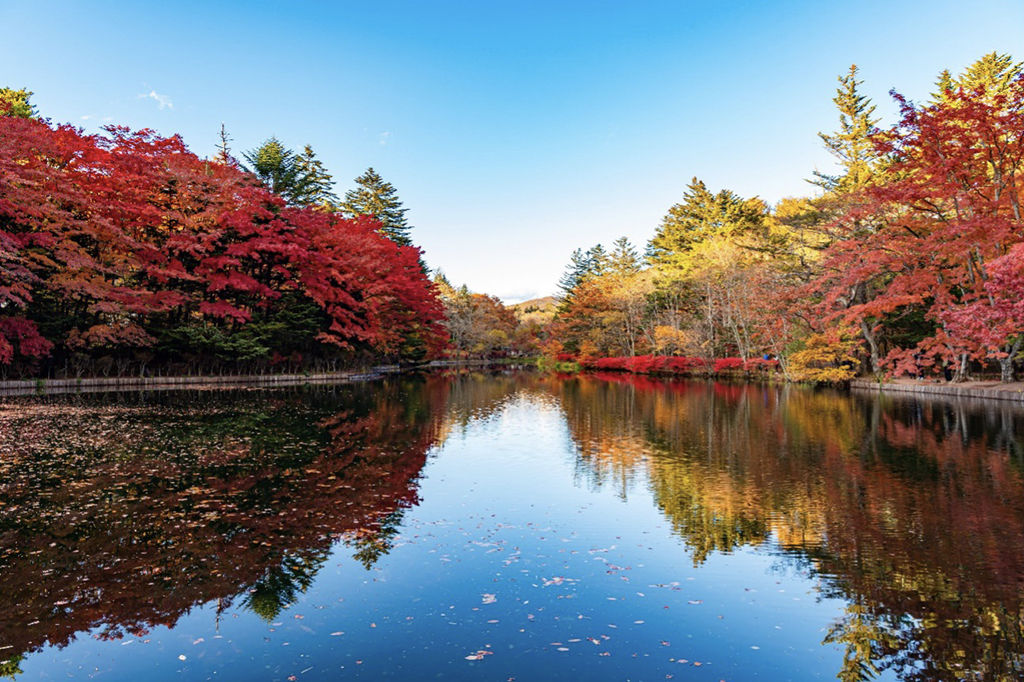
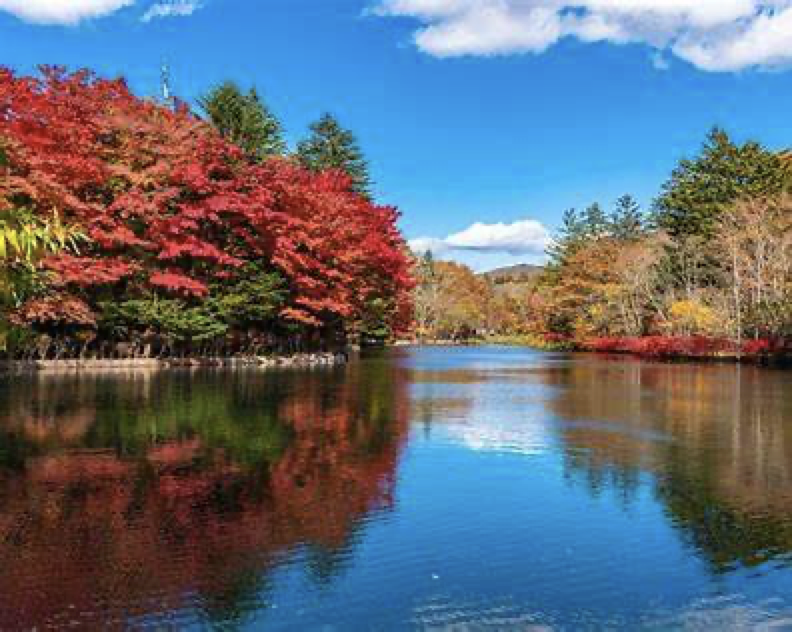
Nature is not a backdrop in Karuizawa; it is the core of daily life. At an elevation of around one thousand meters, the town enjoys significantly cooler summers than Tokyo. The presence of Mount Asama, one of Japan’s most active volcanoes, defines the horizon, while dense birch and larch forests, clear streams, and waterfalls such as Shiraito Falls shape everyday scenery. Seasonal change is especially vivid here, from lush green summers to brilliant autumn foliage, making walking, cycling, and quiet exploration a natural part of life.
Karuizawa has also long attracted thinkers and creators. Writers, painters, philosophers, and musicians have used the town as a place of retreat and inspiration, and that legacy continues through art museums, galleries, music festivals, and cultural events. Literary and philosophical associations, along with a strong tradition of environmental awareness, give the town a cultural depth that appeals to travelers seeking meaningful, slow travel rather than mass tourism.
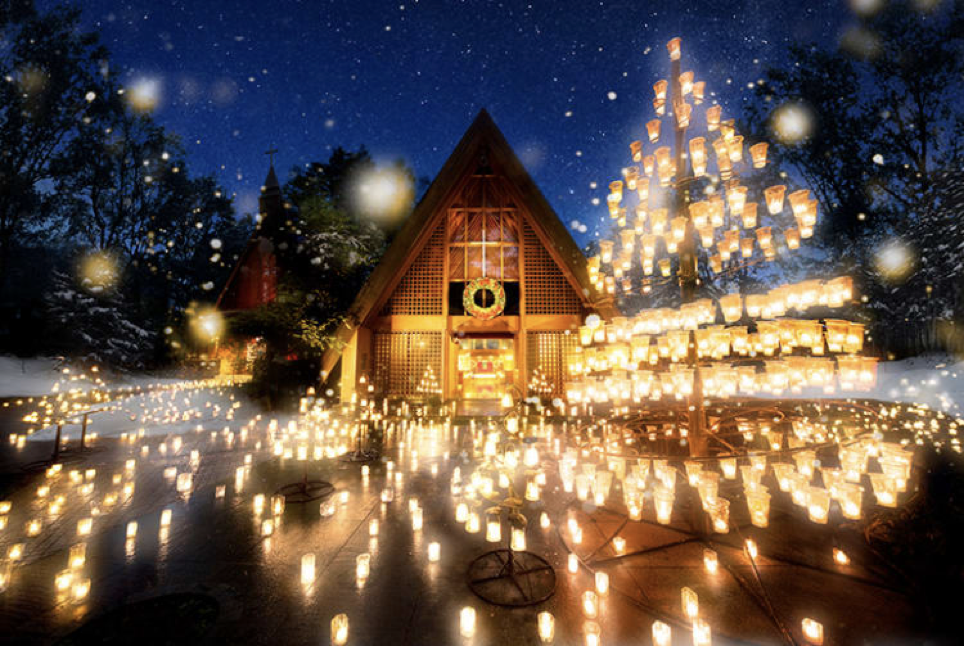
Each season brings a distinct atmosphere. Spring introduces fresh greenery and cherry blossoms, while summer offers a cool refuge from Tokyo’s heat. Autumn transforms the forests into one of Japan’s most celebrated displays of fall color, and winter settles quietly over snowy woods, calm streets, and warm onsen. Unlike many resort towns, Karuizawa remains compelling throughout the year.
Accessibility is another quiet strength. The Hokuriku Shinkansen connects Karuizawa with Tokyo in about an hour, making it remarkably easy to reach. Yet thanks to careful planning and a wide, forested layout, the town retains a sense of space and tranquility that is increasingly rare in Japan.
Ultimately, Karuizawa is not about grand landmarks or fast-paced sightseeing. Its appeal lies in silence instead of noise, space instead of crowds, and nature instead of neon. It offers an alternative vision of modern Japan—one that values reflection, balance, and quality of life. For travelers interested in history, architecture, culture, and the natural world, Karuizawa provides an experience that is subtle, elegant, and deeply restorative.
Karuizawa travel guide, Karuizawa town history, Karuizawa Nagano, Karuizawa resort town, Mount Asama Karuizawa, Karuizawa sightseeing, Karuizawa summer retreat